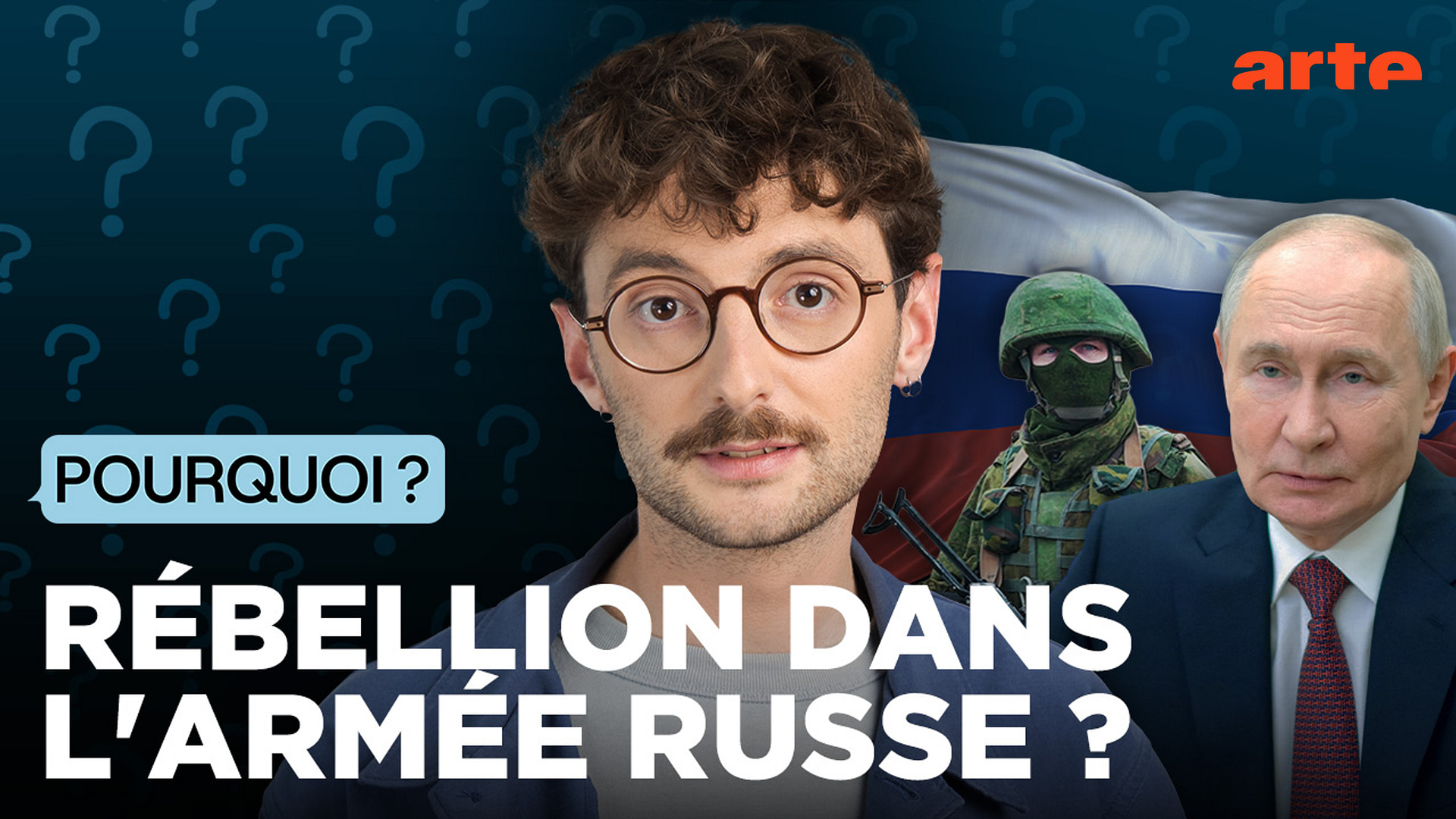
Russian soldiers are increasingly using social media to voice opposition to President Vladimir Putin and the conduct of the invasion of Ukraine, according to documentary evidence and viral footage analyzed by Arte.tv. These acts of defiance range from public denunciations of military leadership to the circulation of videos showing soldiers refusing orders or criticizing the strategic failures of the Kremlin’s “special military operation.”
The phenomenon of internal dissent within the Russian Armed Forces has shifted from quiet frustration to visible, digital rebellion. While the Russian state maintains strict control over information, the proliferation of smartphones and unregulated social media channels has allowed frontline soldiers to bypass official censors and communicate their grievances directly to a global audience.
This shift in sentiment is driven by high casualty rates, perceived incompetence in the chain of command, and a growing disconnect between the propaganda broadcast in Moscow and the reality of trench warfare in eastern Ukraine. The emergence of these “defiant” soldiers suggests a fracturing of the monolithic image of support for the war effort within the military ranks.
Why are Russian soldiers defying Vladimir Putin?
The primary drivers of dissent are the staggering losses of personnel and the lack of adequate equipment, which soldiers attribute to corruption and mismanagement at the highest levels of the Russian Ministry of Defense. According to reports from the BBC and other international monitors, the Russian military has faced significant challenges in logistics and troop morale since the conflict began in February 2022.
Soldiers frequently cite “meat grinder” tactics—the deployment of waves of infantry into heavily fortified positions with little support—as a reason for their anger. This perceived disregard for human life by the leadership has led some service members to record videos explicitly blaming Vladimir Putin for the ongoing losses. These videos often surface on platforms like Instagram and Telegram, where the anonymity of the platform (or the distance from the center of power) provides a temporary shield against immediate retribution.
Furthermore, the integration of mobilized reservists and prisoners—most notably those recruited by the Wagner Group under the late Yevgeny Prigozhin—introduced a demographic of soldiers who were less indoctrinated than professional contract soldiers. This diverse mix of personnel created an environment where skepticism of the Kremlin’s goals became more common and more vocal.
How is the Kremlin responding to military dissent?
The Russian state has responded to this defiance with a combination of severe legal penalties and intensified internal surveillance. Under Russian law, “discrediting” the armed forces can lead to lengthy prison sentences. According to Human Rights Watch, the Russian government has expanded its legal framework to criminalize almost any form of public criticism of the military effort.
Within the ranks, the response is often more immediate. Military police and security services (FSB) monitor the digital footprints of soldiers. Those caught filming unauthorized content or expressing dissent are often subjected to “disciplinary measures,” which can include being sent to the most dangerous sectors of the front line as a form of punishment, a practice known as “penal” deployment.
Despite these risks, the volume of leaked footage continues to rise. This suggests that for some soldiers, the risk of state punishment is now outweighed by the desperation of their situation on the ground. The act of filming a protest or a critique becomes a way to document the truth of the war for future accountability or as a final plea for help.
What is the impact of viral dissent on the war effort?
While individual videos of defiance may not trigger a mass mutiny, they undermine the psychological narrative of a unified Russian state. When soldiers openly criticize the leadership, it provides a morale boost to Ukrainian forces and signals to the international community that the Russian military is not a cohesive unit.
The most significant example of this internal tension was the June 2023 rebellion led by Yevgeny Prigozhin and the Wagner Group. While that event was a high-level power struggle, it was fueled by the same grievances expressed by the rank-and-file soldiers: a lack of ammunition, poor leadership, and a feeling of betrayal by the Ministry of Defense. The mutiny demonstrated that the fear of the Kremlin could be eclipsed by the anger of those actually fighting the war.
Analysts suggest that the continued circulation of such content serves as a form of “digital attrition.” It erodes the trust between the soldiers and their commanders, making it harder for the Russian military to maintain discipline during high-intensity operations.
Comparing Official Narratives vs. Soldier Testimony
There is a stark contrast between the reports issued by the Russian Ministry of Defense and the testimonies provided by soldiers in viral videos and documentaries.

| Topic | Official Kremlin Narrative | Soldier Testimony/Viral Evidence |
|---|---|---|
| Equipment | Modernized and fully supplied | Outdated gear, lack of boots/radios |
| Casualties | Minimal and sustainable | Catastrophic losses in “meat assaults” |
| Morale | High and patriotic | Fear, resentment, and desperation |
| Strategy | Precise and achieving goals | Chaotic and poorly planned |
What happens next for the Russian military?
The trajectory of Russian military dissent will likely depend on the duration of the conflict and the ability of the state to maintain its internal security apparatus. As the war enters a prolonged phase, the pressure on the Russian domestic population and the military will increase. The Kremlin continues to rely on “social contracts”—such as high pay for contract soldiers—to offset the lack of ideological conviction.
The next critical checkpoint for monitoring this instability will be the upcoming mobilization cycles and the potential for further unrest among the “Storm-Z” units and other penal battalions. Observers are watching for whether the digital defiance seen on Instagram and Telegram evolves into organized collective action within the ranks.
If you have information regarding military developments or wish to discuss the impact of these reports, please share your thoughts in the comments below.