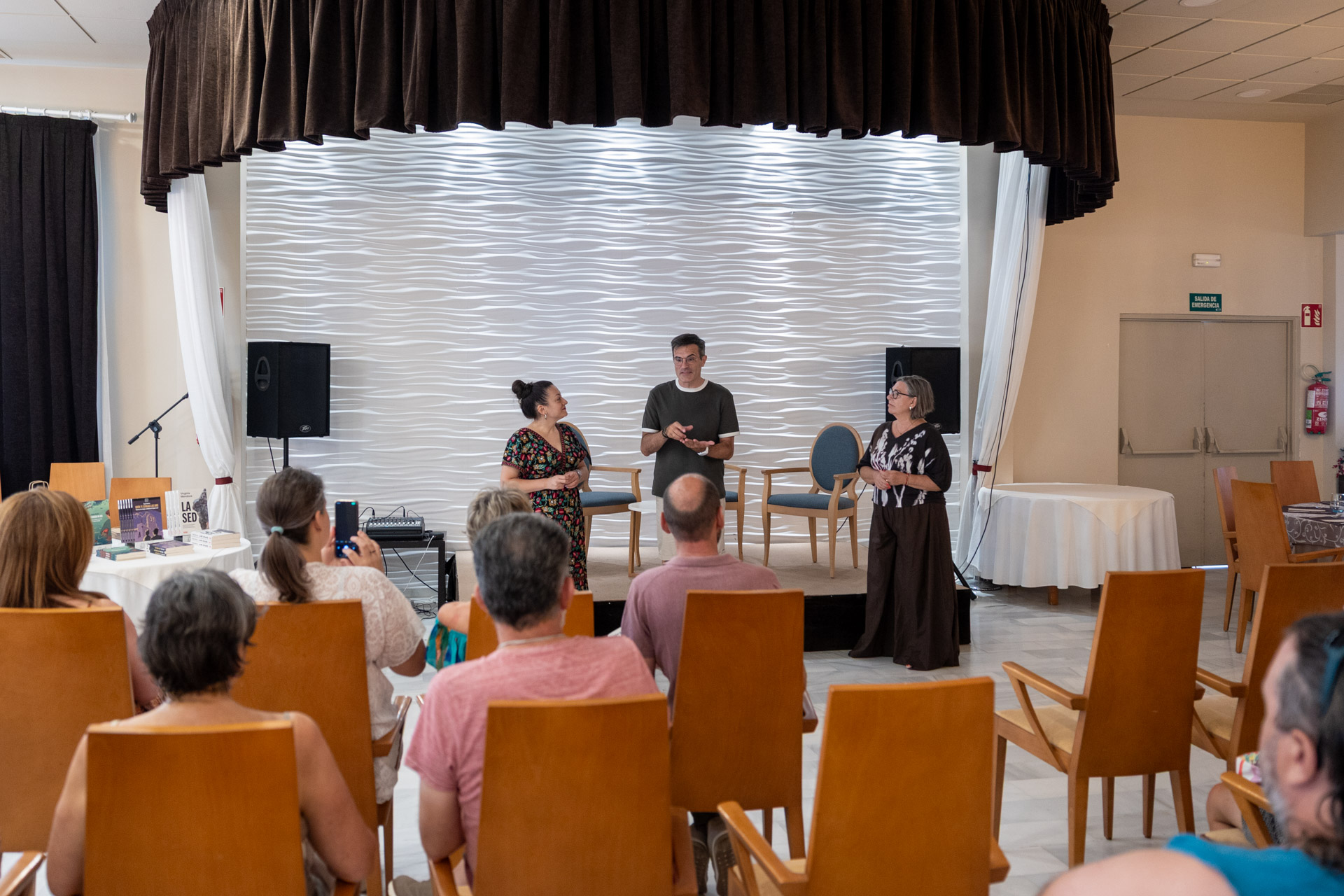
Virginia Mendoza, a journalist and author specializing in memory and territorial traditions, has seen a strong reception for her recent literary encounters, according to reports on her professional trajectory. Her work focuses on the intersection of cultural identity and the physical landscapes that shape collective memory, drawing from her experience as a reporter and writer.
Mendoza’s approach to literature integrates a journalistic rigor with a focus on regional traditions. By examining how territory influences the stories of individuals and communities, she creates a bridge between historical record and narrative storytelling. This multidisciplinary perspective has allowed her to build a recognized career in the Spanish-speaking literary world.
The ability to synthesize archival memory with contemporary social dynamics is a hallmark of Mendoza’s recent public appearances. These literary encounters serve as forums for discussing the preservation of intangible heritage and the role of the writer in documenting the evolution of local territories.
The Intersection of Journalism and Literary Memory
Virginia Mendoza utilizes her background as a journalist to ground her literary works in factual reality. According to her professional profile, her writing is characterized by a commitment to “memory, territory, and traditions,” suggesting a methodology that prioritizes the lived experience of the people inhabiting the regions she describes.
This blend of styles allows her to move beyond simple fiction, creating works that act as cultural maps. By focusing on the “territory,” Mendoza explores how geographical boundaries and environmental factors dictate the social structures and folklore of a community. This focus ensures that her narratives are not just stories, but reflections of specific sociological contexts.
The positive reception of her literary encounters indicates a growing public interest in narratives that reclaim local histories. In an era of globalization, the focus on specific, rooted traditions provides a counter-narrative that emphasizes the importance of regional identity and the preservation of ancestral knowledge.
Exploring Territorial Traditions and Identity
A central pillar of Mendoza’s work is the exploration of how traditions are passed down through generations and how they adapt to modern pressures. Her writing treats tradition not as a static relic, but as a living entity that evolves alongside the people who practice it.

The “territory” in Mendoza’s work functions as more than a setting; it is a character in its own right. By analyzing the relationship between the land and the inhabitant, she highlights the ecological and social interdependence that defines many traditional communities. This perspective aligns with contemporary literary trends that seek to re-center the environment in human narratives.
Her focus on memory serves as a tool for social recovery. By documenting the stories of those who have been marginalized or forgotten by official histories, Mendoza uses her literary platform to validate a broader spectrum of human experience, ensuring that the “memory” of the territory remains intact for future generations.
Impact of Literary Encounters on Public Engagement
The “excellent reception” noted in recent literary events suggests that Mendoza’s themes resonate with audiences seeking a deeper connection to their roots. These encounters typically involve readings, discussions, and Q&A sessions that allow the author to engage directly with the community’s perception of their own history.

These events serve a dual purpose: they promote Mendoza’s literary output while simultaneously acting as a catalyst for public reflection on cultural heritage. The dialogue created during these sessions often reveals a shared desire among attendees to reconcile their modern identities with the traditional legacies of their ancestors.
The success of these gatherings underscores the effectiveness of using literature as a medium for social cohesion. By framing the discussion around shared memory and territory, Mendoza fosters a space where participants can explore their collective identity through the lens of her researched narratives.
Further updates on Virginia Mendoza’s upcoming literary appearances and publication schedule are typically announced through official cultural channels and literary associations. Readers are encouraged to share their perspectives on the role of territorial memory in the comments section below.