
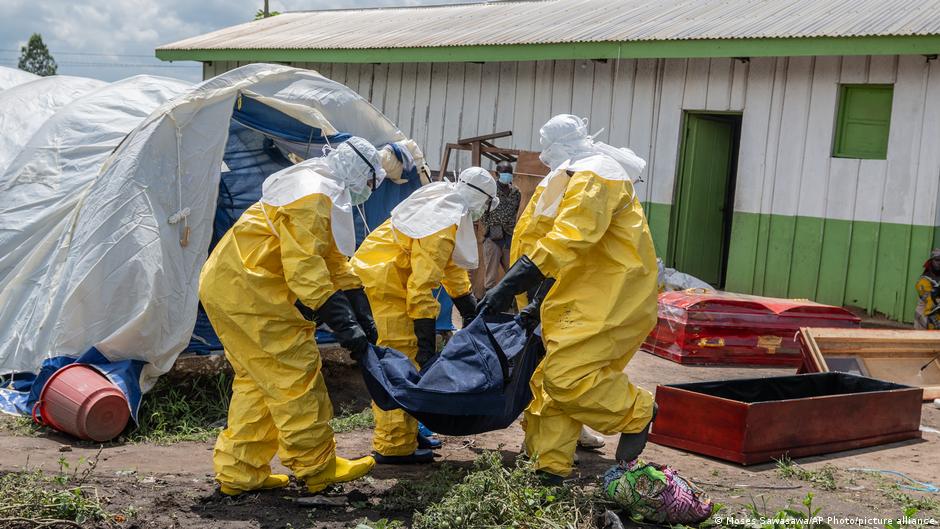
As a physician, I have spent over a decade navigating the complexities of public health, from the clinical setting to the broader landscape of infectious disease policy. One of the most critical, yet often misunderstood, aspects of viral outbreaks is the persistence of pathogens after a patient has passed away. Understanding the mechanics of Ebola virus transmission is essential for both healthcare workers and the public, particularly regarding the risks associated with post-mortem care and traditional burial practices.
Ebola virus disease (EVD) is a severe, often fatal illness in humans. The virus is transmitted to people from wild animals and spreads in the human population through human-to-human transmission. According to the World Health Organization (WHO), the virus enters the body through broken skin or mucous membranes in the eyes, nose, or mouth. While the risk of transmission is high during the later stages of the disease, it remains a significant concern even after death.
The Persistence of Ebola in Deceased Patients
One of the most challenging features of the Ebola virus is its ability to remain infectious in the body of a deceased person. During the final stages of illness, a patient’s viral load—the amount of virus present in the blood and bodily fluids—is at its peak. When an individual dies from Ebola, the virus does not die with them. Instead, it remains active in fluids, including blood, vomit, feces and saliva, for a period of time, making the body highly contagious.

Cultural and traditional funeral rites often involve washing, touching, or preparing the body for burial. In many communities, these practices are deeply significant, serving as a final act of respect and familial duty. However, from a public health perspective, these rituals present a high risk of exposure. The Centers for Disease Control and Prevention (CDC) emphasizes that direct contact with the body of someone who has died from Ebola is a primary driver of transmission during outbreaks, as the virus can be easily transferred through physical contact with contaminated fluids.
Mitigating Risk Through Safe Burial Practices
Public health authorities have developed specific protocols to balance the need for safe, dignified burials with the imperative to stop the chain of transmission. The implementation of “safe and dignified burials” (SDB) has become a cornerstone of outbreak response strategies. These protocols involve trained teams who use personal protective equipment (PPE) to handle the body, disinfect the remains, and ensure that the burial process minimizes the risk of exposure to family members and the community.

The World Health Organization provides comprehensive guidance on these procedures, which are designed to be culturally sensitive while strictly adhering to safety standards. By replacing direct contact with alternative methods of grieving—such as verbal tributes or distanced viewing—communities can honor their loved ones without compromising their own health. This shift in practice is not merely a medical directive; it is a collaborative effort between health officials and community leaders to protect the living while respecting the dead.
Why Public Awareness Matters
Communication is the most effective tool in our public health arsenal. Misinformation regarding how the virus persists can lead to fear and the avoidance of medical care, which only serves to exacerbate the spread of the disease. It is vital for the public to understand that Ebola is not transmitted through the air, water, or food, but rather through direct contact with infected bodily fluids. By focusing on these specific transmission routes, we can empower individuals to take appropriate precautions.
For those interested in the most current data regarding active outbreaks or safety guidelines, the WHO Disease Outbreak News portal provides real-time updates and technical guidance. Staying informed through verified, authoritative channels is the best way to ensure that you and your community remain prepared and protected.
As we continue to advance our understanding of viral behavior and improve our response capabilities, the lessons learned from previous outbreaks remain invaluable. Whether you are a healthcare professional or a concerned global citizen, your awareness of these transmission dynamics contributes to a safer, more resilient society. I encourage our readers to share this information with their networks to help dispel myths and promote evidence-based safety practices.
If you have questions about public health protocols or would like to see more analysis on infectious disease management, please feel free to leave a comment below or join the conversation on our social media channels.