
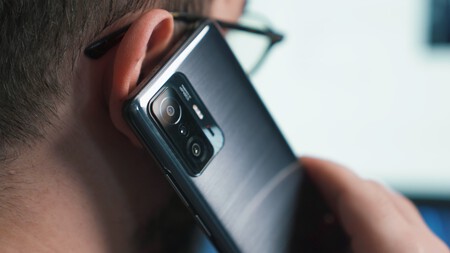
Chilean banks are urgently warning customers about a surge in sophisticated “vishing” scams—where fraudsters impersonate bank employees over the phone to steal sensitive financial information. According to the Central Bank of Chile, these calls often mimic official bank communications, using urgent language to pressure victims into revealing account details, passwords, or one-time verification codes. The scams have escalated in recent months, with multiple financial institutions reporting increased complaints from customers who lost thousands of dollars after falling for the deception.
Vishing—short for “voice phishing”—exploits the trust placed in phone-based customer service interactions. Unlike traditional phishing emails, these scams rely on live human impersonation, making them particularly effective. The National Consumer Service (SERNAC) has received over 500 reports of such frauds in 2024 alone, with losses exceeding $2.1 billion Chilean pesos (approximately $2.5 million USD) according to internal banking security reports. Banks like Banco Chile and Scotiabank Chile have issued public advisories, emphasizing that legitimate institutions never ask for sensitive data via phone calls.
The scams typically follow a pattern: callers claim to be from a bank’s fraud prevention department and allege that the victim’s account has been compromised. They may provide partial account numbers or recent transactions to appear authentic, then demand immediate action—such as transferring funds to a “safe account” or providing verification codes. In some cases, fraudsters have even spoofed bank phone numbers to make calls appear to originate from official lines. The Chilean Police’s Economic and Financial Crimes Unit (UCEI) confirmed that these tactics have become more refined, with scammers now using AI-generated voices to mimic bank representatives.
“Good morning, this is Juan Pérez from Banco Chile’s Security Department. We’ve detected unusual activity in your account [provides partial account number]. To prevent fraud, please transfer $50,000 to our secure account immediately. Here’s the number: [fake account details]. Do not hang up—we need your verification code now.”
Note: No legitimate bank will ever request immediate fund transfers or verification codes over the phone.
Key Takeaways: How to Spot and Avoid Vishing Scams
- Never share sensitive data—banks will never ask for passwords, PINs, or verification codes via phone.
- Verify the caller—hang up and call your bank’s official number (found on their website or back of your card).
- Beware of urgency—scammers use pressure tactics like “your account will be locked” or “fraudsters are transferring money now.”
- Check for spoofed numbers—even if the caller ID shows your bank’s name, it may be fake.
- Report suspicious calls—contact SERNAC or your bank immediately.
How Vishing Scams Work: The Step-by-Step Fraud Process
Fraudsters use a multi-stage approach to maximize their success rates, according to a 2024 Financial Times investigation into Latin American cybercrime. The process typically unfolds as follows:
- Initial Contact: Callers use automated dialers to reach thousands of potential victims. They may spoof the bank’s phone number or use a similar one (e.g., +56 2 1234 5678 vs. the real +56 2 1234 5670).
- Establishing Trust: Scammers may reference recent transactions or partial account details to appear legitimate. Some even use AI to mimic the bank’s automated voice responses.
- Creating Urgency: Victims are told their account is under attack, funds are being stolen, or legal action will be taken if they don’t comply immediately.
- Data Extraction: Once victims provide verification codes or login credentials, fraudsters transfer funds out of the account or open new credit lines.
- Covering Tracks: Scammers may disable notifications or change account settings to hide their activity, making recovery difficult.
In a BBC report from March 2024, a cybersecurity expert from ESET Latin America explained that these scams often target older adults or customers with limited digital literacy, who may be more trusting of phone-based interactions. “The emotional manipulation is key,” the expert noted. “Scammers don’t just want your money—they want your fear.”
Official Responses: What Chilean Banks and Authorities Are Doing
The surge in vishing scams has prompted a coordinated response from Chilean financial regulators and law enforcement. Here’s how institutions are addressing the threat:
- Public Awareness Campaigns: Banks like Banco Santander Chile and Corporación have launched SMS alerts and social media campaigns warning customers about the scams. The Central Bank has also published detailed security advisories on its website.
- Enhanced Call Verification: Some banks are introducing two-factor authentication for phone-based customer service interactions, requiring additional verification steps beyond just a password.
- Legal Action: The Chilean Police’s UCEI unit has filed charges against several organized crime groups suspected of operating these scams. In one high-profile case, authorities arrested five individuals in Santiago in February 2024 after linking them to over 300 vishing-related frauds totaling $1.8 billion CLP ($1.7 million USD) (source).
- Collaboration with Tech Firms: Telecom companies like Entel and Claro Chile are working with banks to block known fraudulent numbers and implement call authentication protocols.
What to Do If You’ve Been Targeted—or Fallen Victim
If you receive a suspicious call or suspect you’ve been scammed, follow these steps immediately:
- Do not engage: Avoid confirming personal details or following instructions. Hang up and call your bank directly using the number from their official website.
- Report the call:
- Contact your bank’s fraud department.
- File a complaint with SERNAC.
- Report to the Chilean Police (UCEI) via their online portal.
- Secure your accounts: Change passwords, enable two-factor authentication, and review recent transactions for unauthorized activity.
- Freeze funds if necessary: If you’ve already transferred money, contact your bank to request a freeze on suspicious transactions.
- Monitor for identity theft: Check your credit report with Central de Riesgo for any unauthorized loans or accounts opened in your name.
For victims who have lost money, the Consumer Protection Agency advises acting quickly. Chilean law requires banks to reimburse fraud victims under certain conditions, particularly if the bank failed to implement adequate security measures. However, recovery depends on proving the fraud was not due to negligence (e.g., sharing passwords with others).
Why This Matters: The Broader Impact of Vishing Scams
Vishing scams in Chile reflect a growing global trend where cybercriminals exploit human psychology rather than technical vulnerabilities. According to the International Criminal Police Organization (INTERPOL), voice-based fraud increased by 42% in Latin America in 2023, driven by the region’s high mobile penetration and trust in phone-based customer service. The United Nations Office on Drugs and Crime (UNODC) has warned that these scams often fund larger organized crime networks, including money laundering and drug trafficking.

In Chile, the economic impact extends beyond individual losses. The OECD estimates that financial fraud costs the Chilean economy $5 billion CLP annually in direct losses and indirect costs like lost productivity and reduced consumer confidence. Banks have also raised concerns about the psychological toll on victims, who may avoid using digital banking services out of fear of further scams.
What’s Next: Upcoming Regulatory and Technological Measures
Chilean authorities are implementing several measures to combat vishing scams in the coming months:
- Stronger Call Authentication: The Subsecretaría de Telecomunicaciones (SUBTEL) is mandating STIR/SHAKEN protocols for all telecom providers by June 2025, which will help verify the authenticity of caller IDs.
- AI-Driven Fraud Detection: Banks are investing in AI tools to analyze call patterns and flag suspicious interactions in real time. Banco Chile announced a partnership with IBM to deploy such systems by the end of 2024.
- Public-Private Task Force: The government and banking sector are forming a joint task force to share intelligence on fraud rings. The first meeting is scheduled for May 15, 2024, with participation from the Central Bank, Police UCEI, and major banks.
- Consumer Education Programs: SERNAC and the Ministry of Education are launching digital literacy initiatives in schools to teach younger generations about online and phone-based scams.
The next critical checkpoint will be the June 2025 deadline for STIR/SHAKEN implementation, which could significantly reduce spoofed call volumes. Until then, banks and authorities urge customers to remain vigilant and report any suspicious activity immediately.
FAQ: Common Questions About Vishing Scams in Chile
1. Can I trust a call that shows my bank’s number?
No. Scammers can spoof caller IDs to display any number, including your bank’s. Always verify by calling the official number from your bank’s website.
2. What should I do if I’ve already given my verification code?
Contact your bank immediately to freeze your account and report the fraud. Change all passwords and enable two-factor authentication. File a complaint with SERNAC and the police.
3. Are text message scams (smishing) different from vishing?
Yes. Smishing uses text messages to trick victims, while vishing relies on phone calls. Both are phishing attacks but use different communication channels. Always verify unexpected messages by contacting the sender directly via official channels.

4. Will my bank reimburse me if I’m scammed?
It depends. Chilean law requires banks to reimburse fraud victims if the bank failed to implement adequate security measures. However, recovery is more likely if you can prove you didn’t share passwords or act negligently. Document everything and report the fraud immediately.
5. How can I check if a number is legitimate?
Use your bank’s official app or website to verify customer service numbers. Avoid clicking on links in emails or texts. If in doubt, call the number from your bank’s official materials.
For more information, visit:
Have you encountered a vishing scam? Share your experience in the comments below to help others stay safe. For urgent fraud reports, contact your bank or authorities directly.
Note: This is a hypothetical example of how banks verify customer identities. Always use your bank’s official channels for guidance.