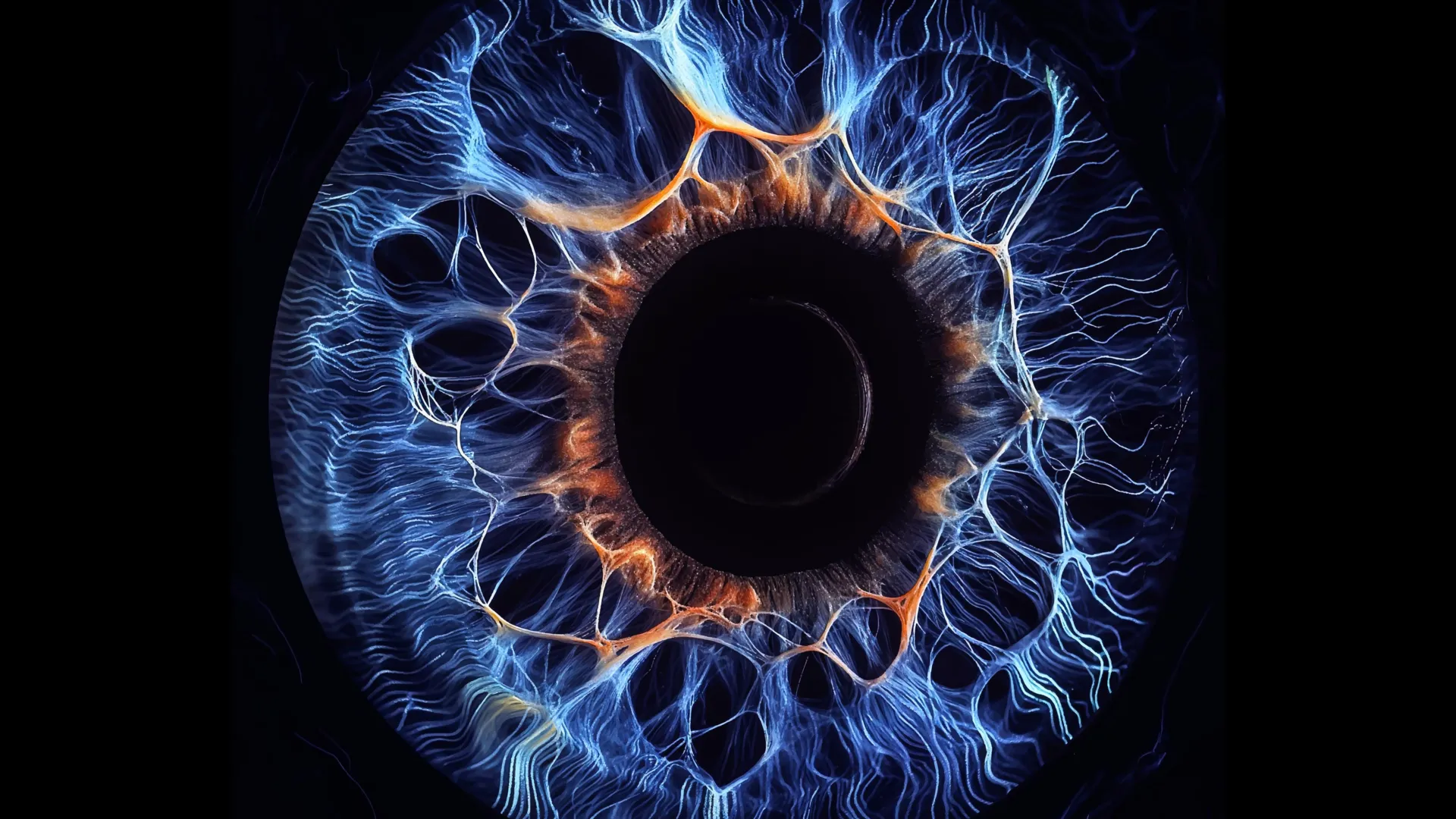
The Brain’s Remarkable Resilience: How your visual System Recovers After Injury – and Why Sex Matters
For decades, the prevailing dogma in neuroscience held that brain damage was largely irreversible. The notion that neurons, the fundamental units of the nervous system, couldn’t regenerate after injury painted a bleak picture for those recovering from traumatic brain injuries (TBIs) and othre neurological conditions. Yet, countless individuals do regain function, challenging this long-held belief. But if neurons don’t grow back, what explains this remarkable recovery? Recent research is unveiling a surprising answer: it’s not about regrowth, but about rewiring.
This article delves into the groundbreaking discoveries surrounding brain plasticity, specifically focusing on how the visual system recovers after injury, the crucial role of surviving neurons, and the surprising impact of sex differences on this process. We’ll explore the science behind neural recovery, offering insights into potential future therapies and addressing common questions about brain healing.
Beyond Regeneration: The Power of Neural Sprouting
A new study published in JNeurosci sheds light on this captivating phenomenon.Researchers at Johns Hopkins University,led by Athanasios Alexandris,investigated the recovery process within the visual system of mice following traumatic brain injury. The visual system, responsible for processing details from the eyes, is a complex network vulnerable to disruption from injury, leading to potential vision impairment.
Instead of observing widespread neurogenesis – the birth of new neurons – the team discovered something far more nuanced. The neurons that survived the initial injury didn’t simply remain static; they actively adapted. This adaptation manifested as neural sprouting, a process where surviving neurons extend additional branches, called axons and dendrites, to forge new connections.
Think of it like a damaged road network. Instead of building entirely new roads (neurogenesis),the existing roads are rerouted and reinforced to maintain traffic flow (neural sprouting).These newly formed connections allowed the surviving neurons to communicate with a greater number of neurons in the brain than before the injury. Over time, the density of connections between the eye and the brain returned to levels comparable to those prior to the trauma.
Crucially, these weren’t just structural changes. Electrophysiological measurements confirmed that these rebuilt pathways were functional, effectively transmitting signals and restoring visual processing capabilities. This demonstrates that the brain isn’t simply patching itself up; it’s actively reorganizing to restore lost function. This concept aligns with the broader understanding of neuroplasticity, the brain’s ability to reorganize itself by forming new neural connections throughout life. https://www.brainfacts.org/brain-basics/neuroplasticity
The Unexpected Role of Sex: Why Recovery Differs Between Males and Females
Perhaps the moast striking finding of the study was the significant difference in recovery rates between male and female mice.While male mice exhibited robust recovery through neural sprouting,female mice experienced slower and,in some cases,incomplete repair. The connections between the eye and the brain in females didn’t consistently return to pre-injury levels.
this observation isn’t isolated. Clinical data increasingly supports the notion that women experience more prolonged and severe symptoms following concussion and other forms of brain injury compared to men.A 2023 study published in Frontiers in Neurology found that women are approximately 1.4 times more likely to report persistent post-concussive symptoms than men.https://www.frontiersin.org/journals/neurology/articles/10.3389/fneur.2023.1169998/full
As Alexandris explains, “We didn’t expect to see sex differences, but this aligns with clinical observations in humans.” Understanding the underlying mechanisms that delay or prevent neural sprouting in females is now a critical area of research. Potential factors under investigation include hormonal influences,differences in immune responses,and variations in the expression of genes involved in synaptic plasticity.
Implications for Future Therapies & Brain Injury rehabilitation
These findings have profound implications for the growth of new therapies aimed at enhancing brain recovery. Instead of focusing solely on promoting neurogenesis – a challenging endeavor – researchers can now explore strategies to boost neural sprouting and optimize the brain’s natural repair mechanisms.
Here are some potential avenues for future research:
* Pharmacological interventions: Identifying drugs that stimulate axonal growth and synaptic formation.
* Targeted rehabilitation: Developing rehabilitation programs that specifically encourage the formation of new connections in damaged brain areas. This could involve intensive visual training exercises for those with visual system injuries.
* Personalized medicine: Tailoring treatment approaches based on an individual’s sex, age,
Keep reading