
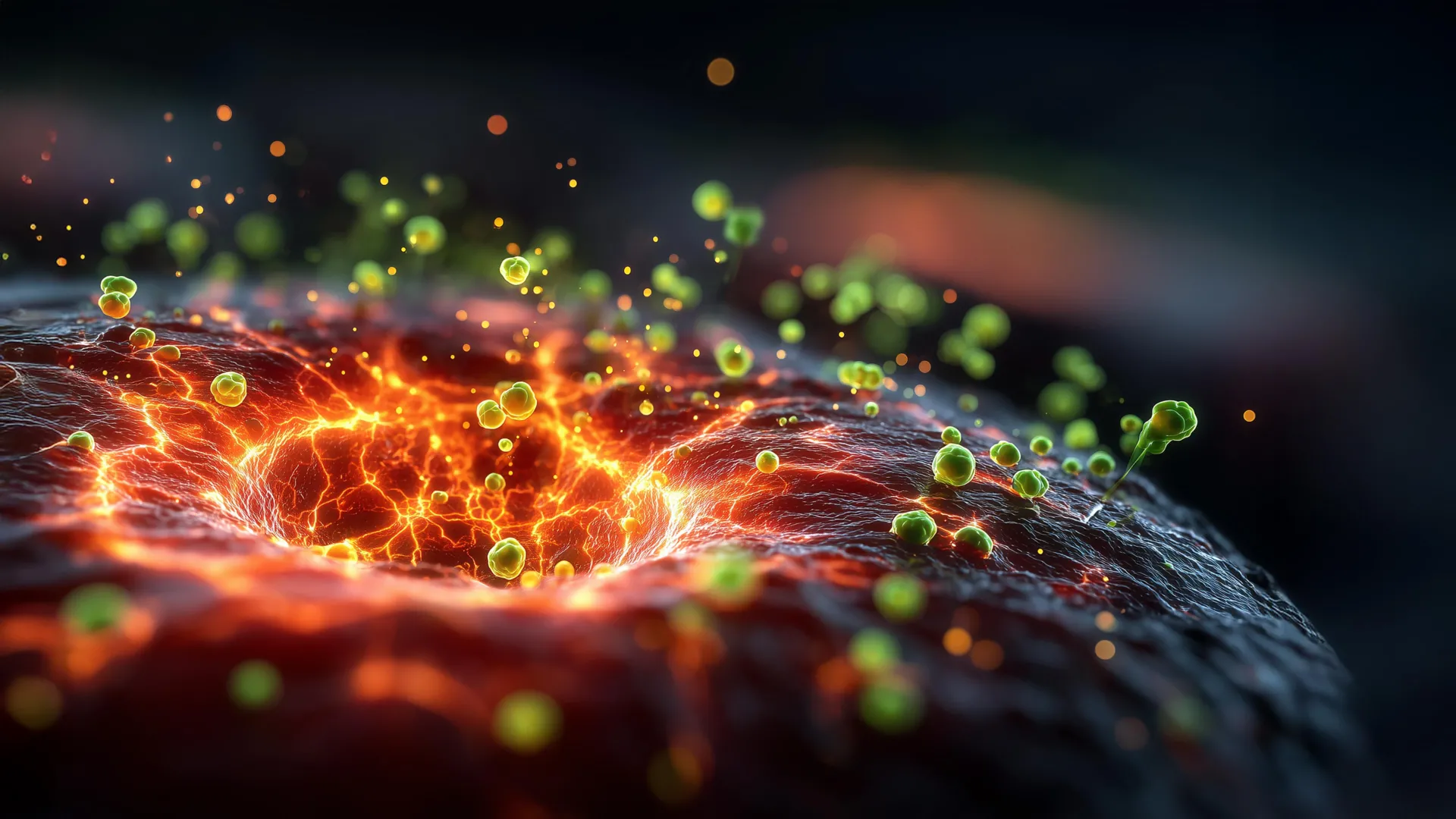
Recent research has shed new light on how vitamin B7, also known as biotin, may play a critical role in cancer cell metabolism, offering a potential avenue for therapeutic intervention. Scientists have identified that certain cancer cells rely on biotin to switch metabolic pathways when their primary fuel source becomes scarce, effectively using the vitamin as a “license” to survive and proliferate. This discovery highlights a previously overlooked vulnerability in tumor biology that could be exploited to halt cancer growth.
The findings build on the well-established concept of “glutamine addiction” in cancer cells, where tumors depend heavily on the amino acid glutamine for energy and biosynthesis. However, many cancer cells develop resistance by activating alternative metabolic routes. According to recent studies, biotin-dependent enzymes are central to this adaptive process, enabling cells to rewire their metabolism and continue growing despite glutamine deprivation. Without sufficient biotin, this escape route is blocked, and cancer cells lose their ability to adapt, leading to halted proliferation.
Further investigation revealed that mutations in specific cancer-associated genes can amplify this dependency on biotin, making certain tumors even more susceptible to biotin restriction. These genetic alterations, which are increasingly recognized in oncological research, appear to heighten the cancer cells’ reliance on biotin-mediated metabolic flexibility. Targeting biotin metabolism—or the enzymes it supports—has emerged as a promising strategy for developing precision therapies, particularly in cancers with these genetic profiles.
One of the key enzymes involved in this process is acetyl-CoA carboxylase (ACC), which requires biotin as a cofactor to function. ACC plays a pivotal role in fatty acid synthesis and metabolic regulation, both of which are crucial for cancer cell survival under stress. When biotin is unavailable, ACC activity diminishes, disrupting lipid metabolism and impairing the cell’s ability to generate essential membranes and signaling molecules. This metabolic bottleneck effectively starves cancer cells of the resources they demand to sustain uncontrolled growth.
Research published in scientific journals has demonstrated that depriving cancer cells of biotin in laboratory settings leads to reduced tumor progression across multiple cancer types, including breast, lung, and colorectal cancers. These preclinical models show that biotin restriction not only slows proliferation but also increases sensitivity to other treatments, suggesting potential combinatorial applications. Importantly, normal cells appear less affected by biotin limitation under these experimental conditions, indicating a possible therapeutic window where cancer cells are selectively targeted.
While biotin is essential for human health—supporting functions such as glucose metabolism, fatty acid synthesis, and nervous system maintenance—its role in cancer metabolism does not imply that dietary biotin should be restricted without medical guidance. Biotin deficiency is rare in healthy individuals due to widespread dietary availability and endogenous production by gut bacteria. Any clinical approach targeting biotin in cancer would require careful formulation, potentially involving pharmacological inhibitors of biotin-dependent enzymes rather than dietary manipulation, to avoid systemic side effects.
Experts emphasize that translating these findings into human therapies will require rigorous clinical testing. Current efforts are focused on identifying biomarkers that predict which tumors are most likely to respond to biotin-targeted strategies, particularly those with the aforementioned genetic mutations. Researchers are also exploring small molecule inhibitors that can disrupt biotin enzyme activity with high specificity, aiming to block the metabolic escape route without interfering with essential biotin functions in healthy tissues.
The implications of this research extend beyond basic science, offering a new lens through which to view cancer metabolism. Rather than viewing nutrients solely as fuel, scientists are increasingly recognizing them as regulatory molecules that can influence cancer cell behavior and adaptability. Biotin, once considered primarily a cofactor for basic cellular processes, now appears to be a linchpin in a sophisticated survival mechanism used by aggressive tumors.
As research continues, scientists hope to develop diagnostic tools that can identify biotin-dependent tumors early, allowing for timely intervention. Such tools could include genetic screening for mutation profiles linked to heightened biotin reliance or metabolic imaging techniques that detect ACC overactivity. Early identification would enable clinicians to tailor treatments more effectively, potentially improving outcomes for patients with aggressive or treatment-resistant cancers.
Although no biotin-targeted cancer therapies are currently approved for clinical use, several promising candidates are in preclinical development. Ongoing studies are evaluating the safety and efficacy of enzyme inhibitors in animal models, with a focus on minimizing off-target effects. Researchers stress that any future treatment would need to balance antitumor activity with the preservation of biotin’s vital roles in human physiology.
This evolving understanding of biotin in cancer metabolism underscores the importance of fundamental biological research in uncovering unexpected therapeutic targets. By revealing how cancer cells hijack ordinary metabolic processes for malignant purposes, scientists are opening new doors for innovation in oncology. The discovery that a common vitamin can influence tumor adaptability serves as a reminder that even well-known biological molecules may hold untapped potential in the fight against cancer.
For now, the public is advised to maintain balanced nutrition and consult healthcare professionals before making any changes to supplement regimens, especially in the context of cancer prevention or treatment. Official guidance from health authorities continues to emphasize evidence-based approaches, and any emerging therapies will undergo rigorous evaluation before reaching patients.
As the scientific community awaits further developments, the focus remains on validating these findings through reproducible experiments and moving toward clinical trials. The next steps involve refining inhibitor compounds, identifying responsive patient populations, and assessing long-term safety—all critical milestones on the path toward potential clinical application.
Stay informed about advances in cancer research by following updates from reputable medical journals and institutional press releases. Readers are encouraged to share this article to help spread awareness of emerging science in oncology and to engage in thoughtful discussion about the future of cancer treatment.