Zeaxanthin: A Promising Nutritional Boost for Cancer Immunotherapy
For decades, the fight against cancer has centered on aggressive treatments like chemotherapy and, more recently, immunotherapy. But what if a simple dietary addition could substantially enhance the effectiveness of these powerful therapies? Emerging research from the University of Chicago, led by Dr. Jing chen, a renowned expert in nutritional immunology, suggests that zeaxanthin, a naturally occurring carotenoid, holds remarkable potential to amplify the body’s immune response to cancer, particularly when combined wiht immunotherapy.
This isn’t just a fleeting observation; it’s the culmination of years of dedicated research into the intricate relationship between nutrition and immune function. dr. Chen, Janet Davison Rowley Distinguished Service Professor of Medicine, emphasizes, “Our study shows that a simple dietary nutrient could complement and strengthen advanced cancer treatments like immunotherapy.” This statement isn’t hyperbole – it’s grounded in rigorous scientific inquiry.
How Zeaxanthin Supercharges the Immune System
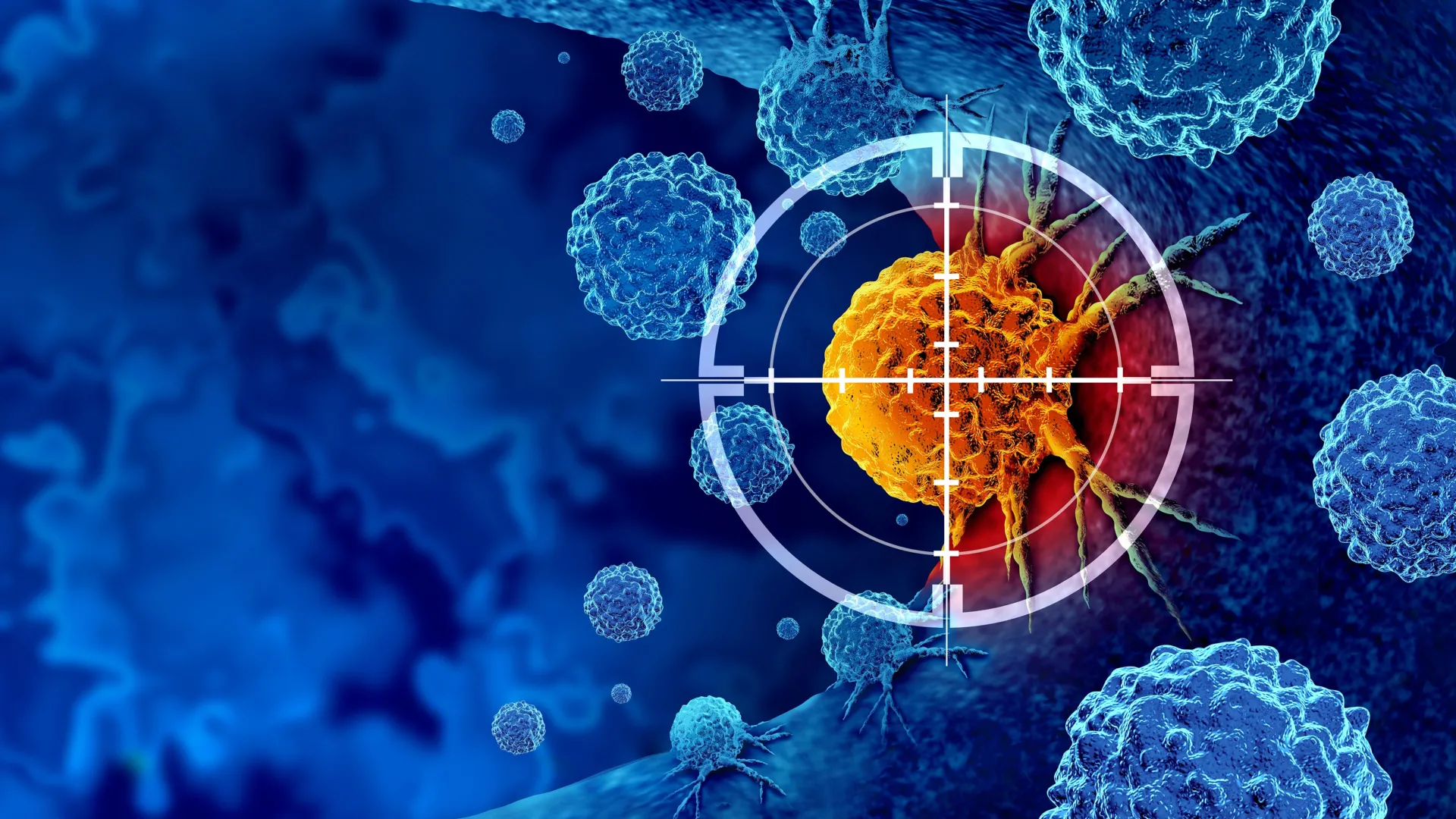
The core of this finding lies in how zeaxanthin interacts with the immune system at a molecular level. Dr. Chen’s lab meticulously screened a vast library of blood nutrients, ultimately pinpointing zeaxanthin as a key compound capable of directly boosting the activity of CD8+ T cells. These “killer” T cells are the frontline soldiers of the immune system, responsible for identifying and destroying cancerous cells.
But simply having T cells isn’t enough. They need to effectively recognize and engage with cancer cells. This recognition relies on a crucial structure called the T-cell receptor (TCR). The research reveals that zeaxanthin doesn’t just activate T cells; it strengthens thier ability to function. Specifically,zeaxanthin stabilizes and reinforces the formation of the TCR complex when it interacts with cancer cells. This stabilization triggers a cascade of intracellular signaling events, leading to:
* Increased T-cell activation: The T cells become more “alert” and ready to attack.
* Enhanced cytokine production: Cytokines are signaling molecules that amplify the immune response, attracting more immune cells to the tumor site.
* Improved tumor-killing capacity: The T cells become more efficient at destroying cancer cells.
From Lab Bench to Promising Results: Zeaxanthin in Action
The impact of zeaxanthin isn’t limited to laboratory observations.Studies in mouse models demonstrated that dietary supplementation with zeaxanthin demonstrably slowed tumor growth. More significantly, the combination of zeaxanthin with immune checkpoint inhibitors – a revolutionary class of immunotherapy drugs – yielded significantly greater anti-tumor effects than immunotherapy alone. This synergistic effect is particularly exciting, suggesting that zeaxanthin can unlock even greater potential from existing cancer treatments.
To validate these findings, researchers extended their investigation to human T cells engineered to target specific tumor antigens found in melanoma, multiple myeloma, and glioblastoma – aggressive and frequently enough difficult-to-treat cancers. The results were compelling: zeaxanthin treatment dramatically improved the ability of these engineered T cells to kill cancer cells in laboratory settings.
“Our data show that zeaxanthin improves both natural and engineered T-cell responses, which suggests high translational potential for patients undergoing immunotherapies,” Dr. Chen explains. This “translational potential” is a critical point – it means the findings have a strong likelihood of being applicable to human patients.
A Safe, Accessible, and Affordable Nutritional Ally
Perhaps the most encouraging aspect of this research is the accessibility of zeaxanthin. Unlike many experimental cancer therapies, zeaxanthin isn’t a novel, expensive drug. It’s readily available as an over-the-counter supplement for eye health and is naturally abundant in common vegetables like:
* Orange peppers
* Spinach
* Kale
it’s also inexpensive, well-tolerated, and boasts a well-established safety profile, making it an ideal candidate for further investigation as an adjunct to cancer therapies. This safety is paramount, allowing researchers to proceed with clinical trials without significant concerns about adverse effects.
Furthermore, this research builds upon previous discoveries from Dr. Chen’s lab, highlighting the importance of a holistic dietary approach. Her team previously identified trans-vaccenic acid (TVA), a fatty acid found in dairy and meat, as another nutrient that boosts T-cell activity – albeit through a different mechanism. This reinforces the idea that a balanced diet, rich in both plant and animal-derived nutrients, can provide synergistic benefits to immune health.
The Future of Nutritional Immunology: Clinical Trials and Beyond
While the results are undeniably promising, Dr. Chen and her team are quick to emphasize that this research is still in its early stages. The majority of the findings originate from laboratory experiments and animal studies