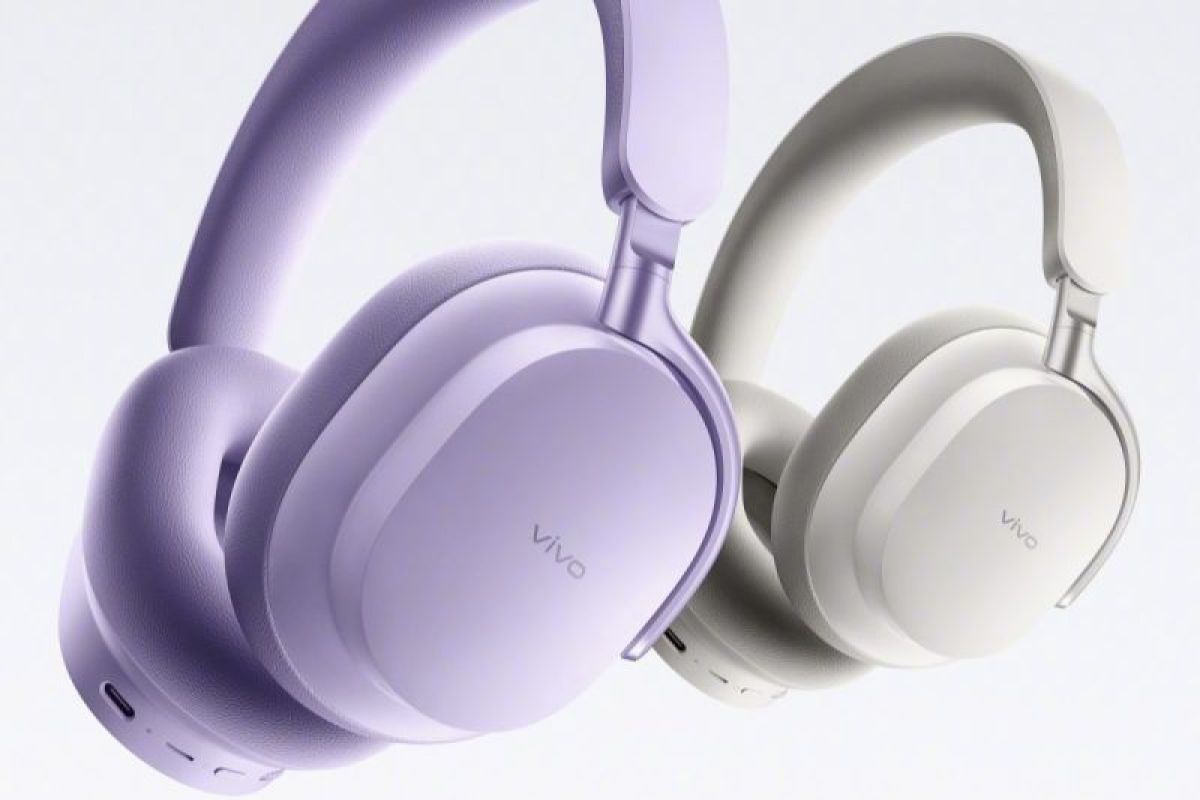
In the rapidly evolving landscape of personal audio, Vivo has taken a significant step toward expanding its hardware ecosystem. The company recently unveiled its first-ever over-ear wireless headphones, the Vivo TWS 3, which center on high-fidelity sound and advanced Active Noise Cancellation (ANC) capabilities. As the market for premium personal audio continues to grow, this move signals Vivo’s intent to compete directly with established industry leaders by integrating its proprietary audio engineering with its existing smartphone infrastructure.
For those of us tracking the intersection of mobile technology and consumer electronics, the arrival of these headphones is notable. Vivo has long been recognized for its smartphone-centric audio enhancements, such as dedicated Hi-Fi DACs in its legacy devices. By bringing this expertise to an over-ear form factor, the company is attempting to provide a more cohesive listening experience for its global user base, prioritizing both hardware build quality and software-driven sound optimization. According to official product specifications released by Vivo, the flagship TWS 3 Pro model boasts advanced noise reduction metrics, marking a departure from their previous focus solely on in-ear TWS (True Wireless Stereo) solutions.
The introduction of these over-ear headphones follows a period of significant research, and development. In the competitive landscape of the Chinese tech market, where Vivo maintains a strong presence, the demand for high-end audio peripherals that support lossless audio transmission has surged. Industry reports indicate that the company has focused heavily on the integration of its “Deep-Live” 3D spatial audio and support for high-bitrate codecs, which are critical for audiophiles seeking a wired-like experience in a wireless package.
Engineering the Silence: The Role of ANC Technology
The standout feature of Vivo’s new headphone lineup is its Active Noise Cancellation technology. While many consumer-grade headphones offer basic noise filtering, Vivo has implemented a system designed to handle a wider frequency range of ambient sound. The flagship iteration of these headphones is marketed with an ANC depth capability of up to 50dB, a figure that places it in the upper echelon of current market offerings. This level of noise cancellation is achieved through a multi-microphone array that continuously monitors external noise to produce an inverse sound wave, effectively neutralizing environmental distractions before they reach the listener’s ear.

Beyond raw decibel reduction, the success of such technology often hinges on the “transparency mode” implementation. Vivo has refined its software to allow users to toggle between full noise isolation and ambient awareness, a feature that has become standard for commuters and office professionals alike. By utilizing its internal processing chips, Vivo claims to maintain a balance between power efficiency and audio fidelity, ensuring that the heavy computational load required for real-time noise cancellation does not compromise battery longevity. Technical documentation from the Vivo China official portal highlights that these devices are optimized to work seamlessly with the company’s proprietary operating system, OriginOS, though they maintain standard Bluetooth connectivity for broader compatibility with other mobile platforms.
Expanding the Audio Ecosystem
Vivo’s strategy is clear: transition from being a smartphone manufacturer to a holistic lifestyle brand. By offering a range of audio products, including the updated TWS 5i series alongside their new over-ear models, the company is creating a unified ecosystem. What we have is a common tactic among major consumer electronics brands, as it fosters deeper customer loyalty and increases the “stickiness” of their product lineup. When a user can pair their phone, watch, and headphones within the same ecosystem, the friction of switching devices is significantly reduced.
However, the global market presents challenges. Unlike the domestic Chinese market, where Vivo’s services and software integrations are deeply entrenched, the international market is crowded with competitors like Sony, Bose, and Apple. To succeed globally, Vivo will need to ensure that its hardware is not only competitive in terms of noise cancellation performance but also that its software application—which manages firmware updates and equalizer settings—is robust and available across both Android and iOS platforms. As noted by industry analysts, the success of non-native ecosystem accessories often depends on the quality of their third-party app support.
Key Considerations for Potential Users
- Noise Cancellation Depth: The 50dB+ ANC rating is designed for high-intensity environments, such as airplane cabins or busy metropolitan offices.
- Codec Support: Users should check for compatibility with high-resolution codecs like aptX Lossless to ensure they are getting the full benefit of the hardware’s audio capabilities.
- Multi-Point Connectivity: Like most modern premium wireless headphones, these devices generally support switching between two connected sources, such as a laptop for video calls and a smartphone for music.
- Battery Life: Performance varies based on whether ANC is engaged, with most premium models in this tier offering between 20 to 30 hours of playback time.
For those interested in the technical specifications, further details can be found on the official Vivo Newsroom, which serves as the primary repository for product launches and regional availability updates. As the company continues its rollout, we expect more information regarding specific regional pricing and release dates for markets outside of China.

What Comes Next for Vivo’s Audio Division?
Looking ahead, the focus for the company will likely shift toward the integration of generative AI features within its audio hardware. We have already seen competitors experiment with AI-driven voice enhancement for phone calls and real-time translation features, and it is logical to assume that Vivo, with its heavy investment in AI research, will follow suit. The ability to filter out specific types of background noise—such as the human voice versus consistent mechanical hums—using machine learning models is the next frontier in headphone technology.
As of this writing, there have been no official announcements regarding a specific date for a global launch or the introduction of these headphones to the North American or European markets. Interested consumers should monitor the company’s regional websites for upcoming press releases. We will continue to track these developments and provide updates as more information becomes available. If you have had the opportunity to test these new devices or have questions about how they compare to your current setup, please feel free to share your thoughts in the comments section below.
Keep reading