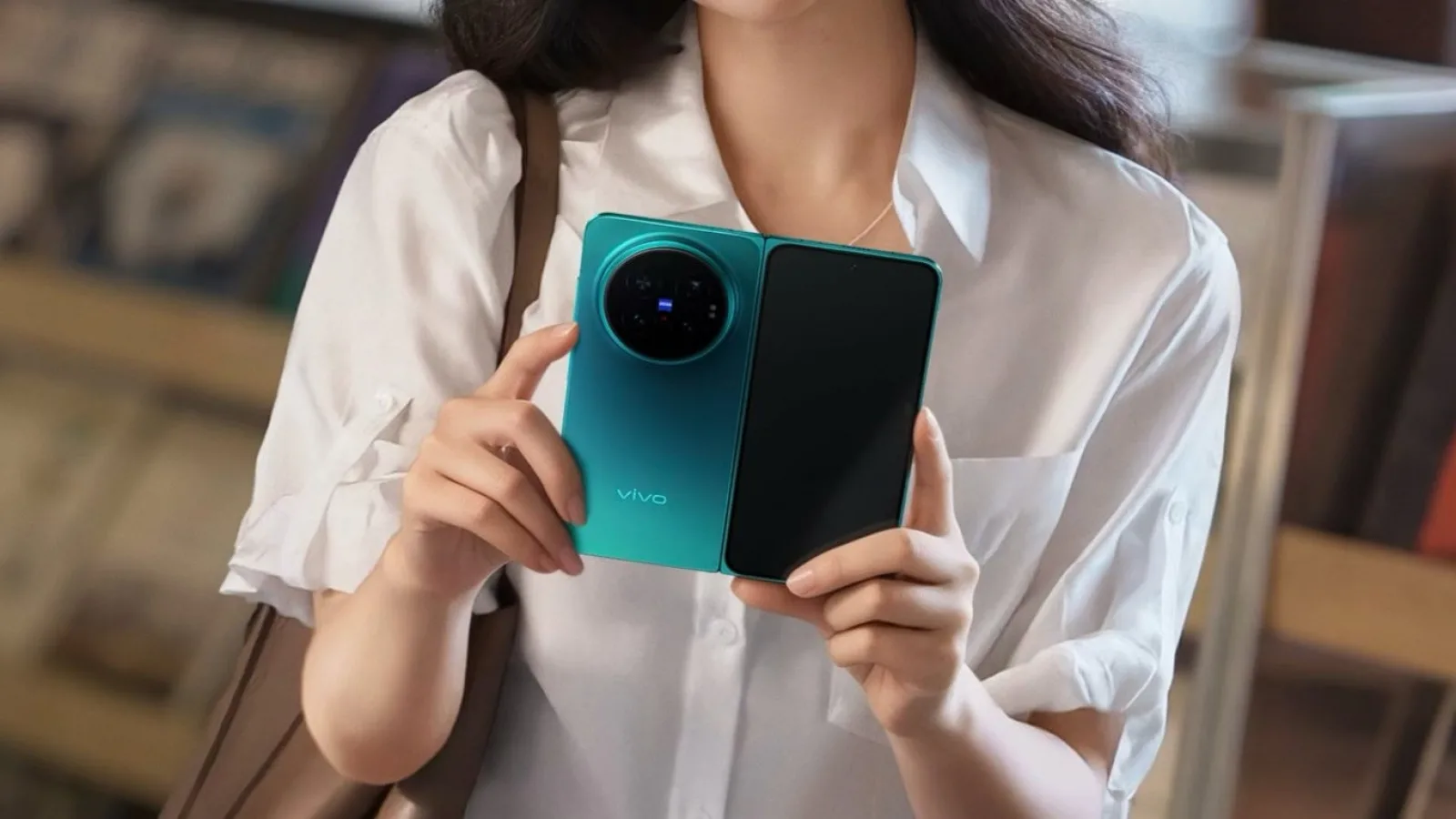
The pricing trajectory for next-generation foldable smartphones suggests a significant shift in the European market for 2026, with industry analysts projecting a notable cost increase for premium devices. Recent market indicators suggest that upcoming iterations, such as the rumored vivo X Fold6, could carry a premium of approximately 400 euros over their predecessors, reflecting both advancements in hardware durability and the integration of high-capacity battery technologies. This price adjustment mirrors a broader trend among major manufacturers to transition foldable hardware from luxury niche products to high-performance, long-term daily drivers.
As the foldable segment matures, consumer expectations have shifted toward professional-grade durability and extended battery life. According to reports from industry observers, the move toward higher price points is directly linked to the implementation of complex engineering standards, including advanced ingress protection ratings and proprietary battery chemistries. For consumers, this signifies that the “foldable premium” is no longer just about the flexible display, but about the total hardware package that aims to rival traditional flagship slab phones in longevity and utility.
Engineering Standards and Durability Benchmarks
The anticipated rise in retail costs is closely tied to the adoption of more rigorous environmental protection standards. Unlike earlier generations of foldable devices, which often struggled with basic water resistance, manufacturers are now integrating technologies like IPX9 ratings. An IPX9 rating indicates that a device is designed to withstand high-pressure, high-temperature water jets, a standard previously uncommon in consumer mobile electronics, as noted by organizations such as the International Electrotechnical Commission (IEC) which maintains the global standards for ingress protection.
This shift toward “super-durable” design requires a complete overhaul of the internal chassis and hinge mechanisms. To achieve these ratings, engineers must utilize specialized seals and materials that can maintain their integrity despite the constant mechanical stress of a folding hinge. While this increases the manufacturing complexity and, by extension, the final price for the consumer, it addresses the primary hesitation among potential buyers: the physical fragility of foldable screens and internal components.
Battery Innovation and Energy Density
Beyond external durability, the 2026 generation of foldables is expected to feature significant leaps in power storage. Reports indicate a transition toward batteries with capacities reaching 7,000 mAh, utilizing semi-solid state technology. This is a substantial increase from the 5,000 to 5,500 mAh range currently standard in most flagship foldables, as documented in technical specifications provided by independent mobile hardware databases.
The integration of higher-density battery cells presents a unique challenge for thin-profile devices. A 7,000 mAh capacity allows for significantly longer screen-on time, which is essential for power-hungry large-format displays. However, the cost of manufacturing these semi-solid batteries—which offer greater safety and stability at high capacities—is significantly higher than traditional lithium-ion alternatives. This technological leap represents one of the primary drivers for the projected 400-euro price increase, as companies look to recover the R&D costs associated with these proprietary power solutions.
Market Positioning and Future Outlook
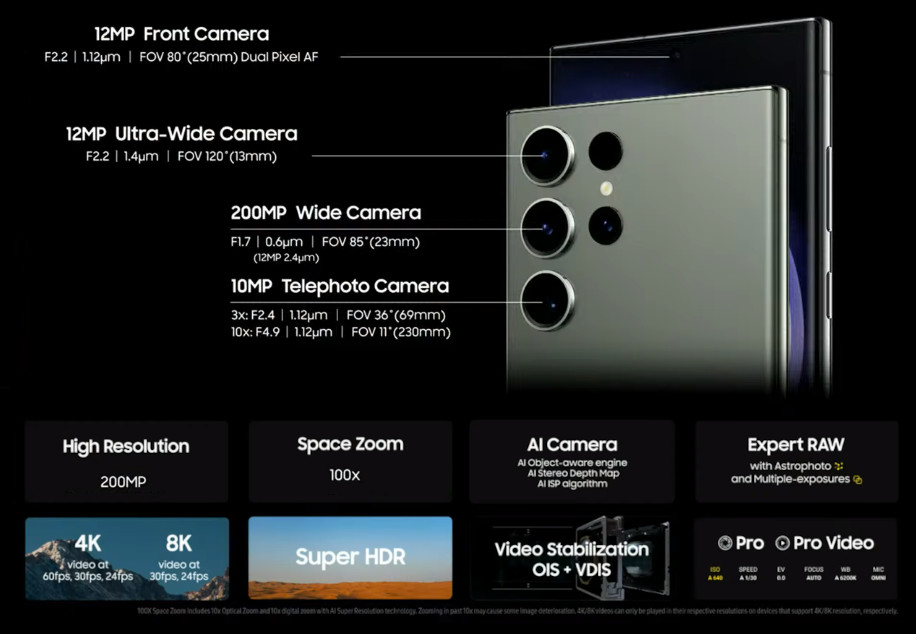
The strategy to elevate the price of foldable smartphones reflects an industry-wide effort to position these devices as the ultimate productivity tools. By combining high-end optics—such as advanced telephoto lens arrays—with long-lasting power and extreme durability, manufacturers are attempting to justify the higher investment. This trend is not isolated to a single brand; it is a collective industry shift toward “ultra-premium” tiers.
For the average user, the decision to upgrade will increasingly depend on whether these hardware gains translate to a multi-year ownership experience. If devices can indeed remain functional and competitive for three to four years due to improved water resistance and battery health, the higher upfront cost may be offset by a longer replacement cycle. As the market moves toward 2026, the success of these higher-priced models will likely serve as a litmus test for whether the general public is willing to pay a premium for hardware that prioritizes resilience over mere thinness.
The next major checkpoint for these developments remains the upcoming industry trade shows, where manufacturers are expected to finalize their 2026 product roadmaps and pricing structures. Readers interested in the latest developments in mobile hardware are encouraged to monitor official press announcements from major technology manufacturers and check back for further updates as more technical specifications become available.
Keep reading