
Volkswagen AG is currently navigating its most significant structural and financial crisis since 2010, marked by declining market share in China, sluggish electric vehicle adoption, and rising operational costs. As the company evaluates unprecedented austerity measures, including the potential closure of manufacturing plants in Germany for the first time in its 87-year history, the instability poses material risks to the broader European automotive supply chain, including the high-volume production hub in Slovakia.
According to official disclosures from Volkswagen Group, the company is reviewing its “core brand” performance to address a widening gap between profitability and the high costs associated with its transition to battery-electric vehicles. Financial analysts at Bloomberg have noted that the firm’s stock price has retreated to levels not seen in over a decade, reflecting investor anxiety over the company’s ability to remain competitive against aggressive pricing from Chinese manufacturers and a cooling global demand for premium EVs.
The Scope of the Financial Contraction
The core of the crisis stems from the Volkswagen brand’s struggle to maintain margins while navigating a complex shift in industrial strategy. Management has indicated that the current savings program, which aimed to cut costs by €10 billion by 2026, is no longer sufficient to meet the challenges of the current market environment. As reported by The Financial Times, the company is now considering the termination of its long-standing job security agreement, which had previously protected employees from layoffs until 2029.
The financial pressure is further exacerbated by the performance of the group’s electric vehicle portfolio. While Volkswagen remains a dominant player in internal combustion engine markets, its ID-series of vehicles has faced stiff competition. Market data shows that in China, the company’s largest single market, local competitors are successfully capturing market share through faster software development cycles and more aggressive pricing models. This loss of momentum in the world’s largest automotive market has forced the board to rethink its global manufacturing footprint.
Implications for the Slovak Automotive Sector
Slovakia, which boasts the highest per-capita car production in the world, remains uniquely exposed to these developments. The Bratislava plant is one of the most critical facilities within the Volkswagen Group, often serving as a barometer for the company’s European manufacturing efficiency. Because the facility produces high-margin SUVs and luxury models, any shift in corporate strategy could have outsized consequences for the Slovak economy, where the automotive industry accounts for a significant portion of GDP and total exports.
According to data from the Automotive Industry Association of the Slovak Republic, the stability of the sector is heavily dependent on the order books of the parent company in Wolfsburg. While the Bratislava plant has historically been viewed as a high-performing site, the current “existenčný ohrozenie” (existential threat) described by group leadership suggests that no facility is immune to the ongoing review of capacity and efficiency. Local observers are closely monitoring whether the parent company will prioritize domestic German sites for restructuring or if the focus will shift to optimizing the footprint of its foreign subsidiaries.
Market Sentiment and Investor Outlook
Financial markets have responded to the uncertainty with notable volatility. The company’s valuation has been pressured as institutional investors weigh the costs of potential plant closures—which involve significant legal and severance liabilities—against the long-term necessity of structural reform. Investment banks, including Citi, have recently adjusted their outlooks on the stock, citing the “daunting” nature of the company’s turnaround plan and the limited visibility into future earnings growth.
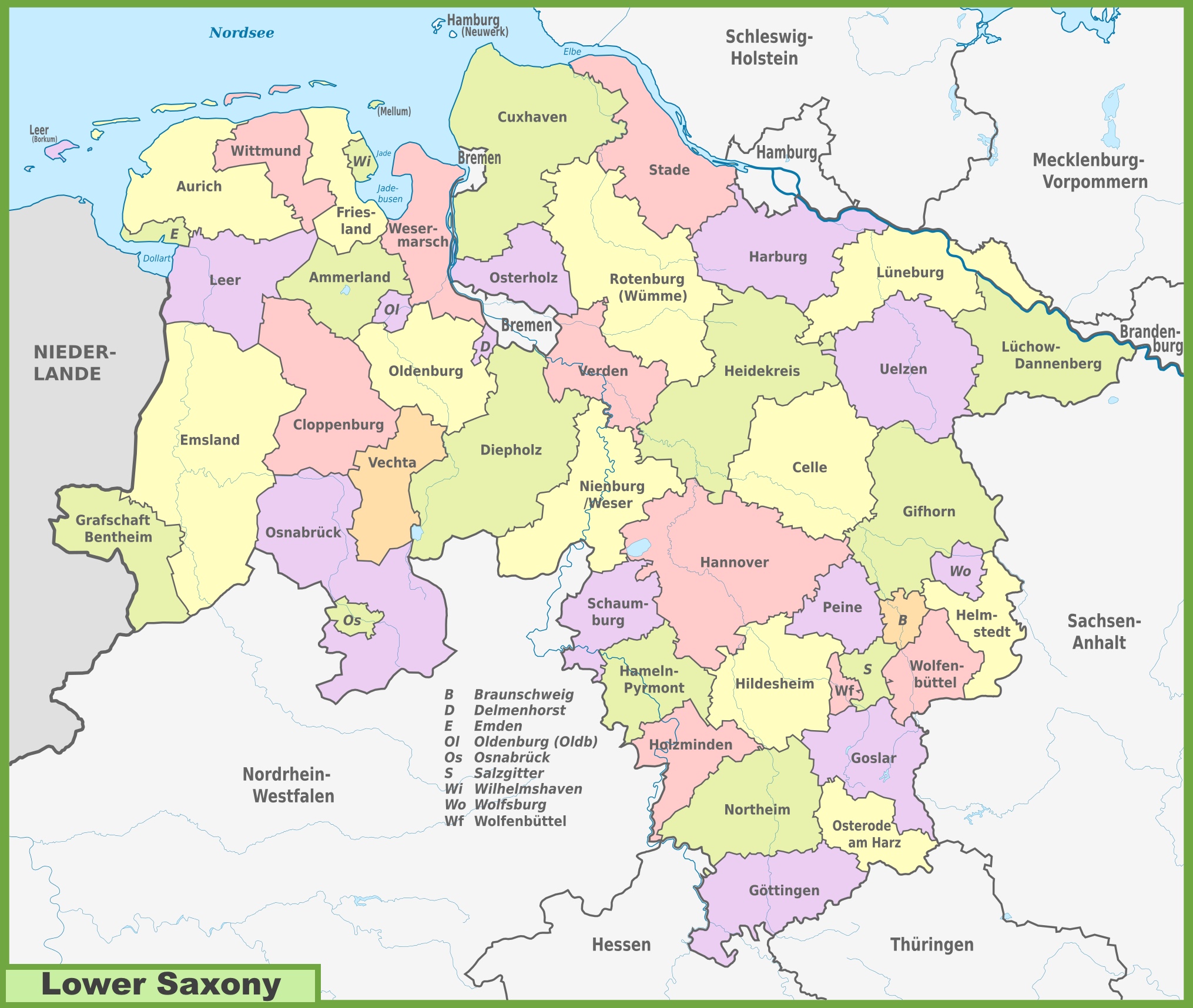
The primary hurdle remains the delicate balance between the company’s supervisory board, the powerful works council, and the state of Lower Saxony, which holds a significant stake in the automaker. Historical precedents indicate that any attempt to close German plants will face intense political and union opposition. As the company moves toward the next round of collective bargaining, the outcome will likely determine the pace at which Volkswagen can modernize its operations and address its structural deficit.
What Happens Next
The next major checkpoint for investors and employees alike will be the upcoming quarterly financial report and the subsequent negotiations with labor unions regarding the future of the job security pact. These discussions are expected to clarify whether the company will pursue voluntary departures or if a more radical restructuring of its European production network is inevitable.
As the situation unfolds, updates regarding the company’s capital expenditure plans and any potential revisions to its 2025 targets will be published via the Volkswagen Investor Relations portal. For stakeholders, the primary focus remains on how the management team intends to bridge the gap between legacy manufacturing costs and the financial realities of an increasingly electrified and competitive global market.
This report will be updated as further details regarding the labor negotiations and corporate strategy are released. Do you have insights into the impact of these changes on the supply chain? Share your thoughts in the comments below.