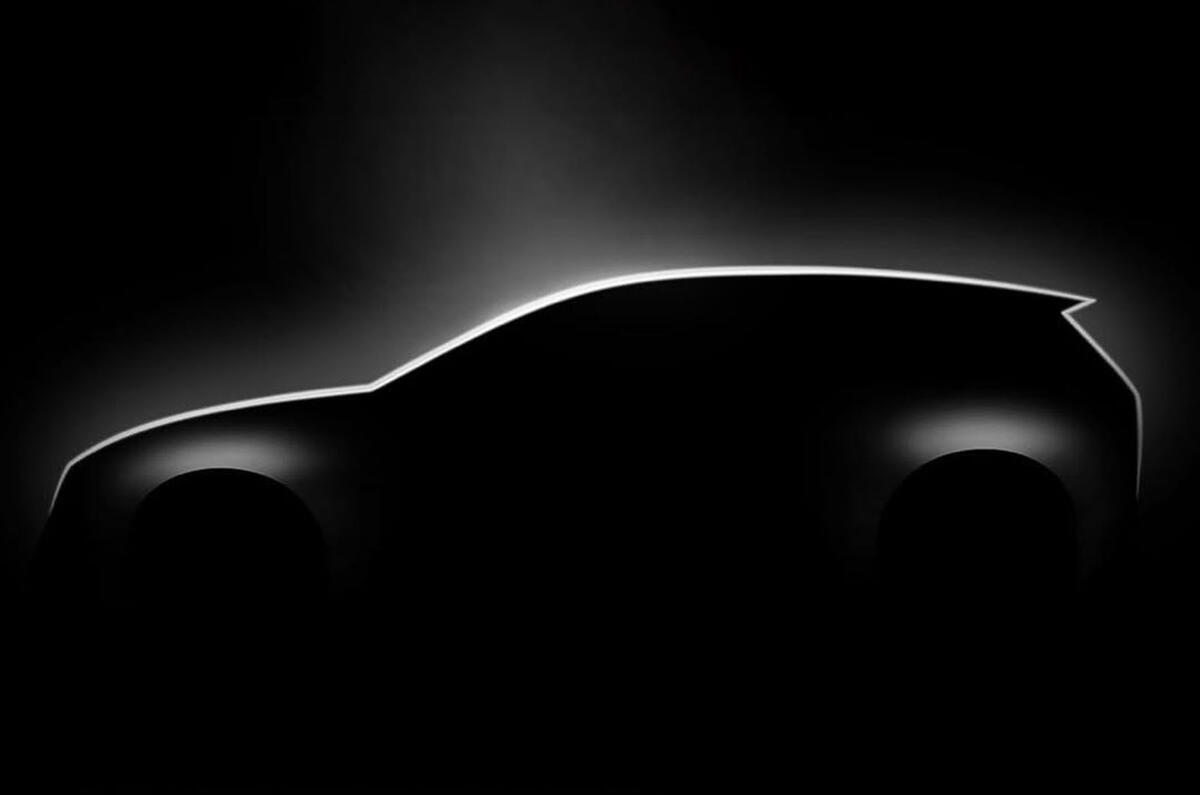
Wolfsburg – Volkswagen, the German automotive giant, is steadily building anticipation for the next generation of its iconic Golf model. While the current Golf 8 remains a popular choice, the company has begun teasing the Golf 9, offering the first glimpse of what’s to come. This move signals Volkswagen’s commitment to maintaining the Golf’s position as a cornerstone of its lineup, even as the automotive industry rapidly transitions towards electric vehicles. The initial reveal, a silhouette image presented during a works council meeting, has sparked considerable interest among industry observers and automotive enthusiasts alike.
The Golf has long been a symbol of accessible, reliable, and innovative motoring. For decades, it has consistently ranked among Germany’s best-selling cars, and its influence extends far beyond national borders. The continued development of the Golf, even in the face of increasing competition from electric vehicles and shifting consumer preferences, underscores its enduring appeal and Volkswagen’s strategic vision for the future. The company’s approach suggests a careful balancing act – preserving the Golf’s heritage while simultaneously embracing the electric revolution. This strategy is particularly noteworthy given the broader industry trend towards prioritizing fully electric models.
Volkswagen’s design chief, Andreas Mindt, has indicated that the new Golf will draw inspiration from both the existing ID. Series of electric vehicles and the successful design language of the Golf 7. This suggests a design evolution rather than a radical departure, aiming to maintain a familiar aesthetic while incorporating modern elements. Mindt highlighted the Golf 7’s visual success and elegance as key factors influencing the design direction, indicating a desire to build upon a proven formula. This approach reflects a broader trend within Volkswagen, as seen with the recent redesign of the Polo, where a similar emphasis on evolutionary design was adopted.
The Electric Future of the Golf: Introducing the ID. Golf
The teaser image revealed a silhouette that, while subtle, hints at a boxier front end reminiscent of the Golf III and Corrado coupe from the 1990s. The profile showcases pronounced fenders, echoing design cues from the Golf VII, and is expected to retain the signature C-pillar that has defined the Golf’s appearance since its inception. At the rear, the design blends elements from the Golf II and Golf VIII, topped with a large roof spoiler that enhances the aerodynamic profile. The ID. Golf appears to be a more conventional hatchback design compared to the ID.3, which it is slated to replace.
Crucially, the file name associated with the teaser image included the moniker “ID. Golf,” effectively confirming earlier rumors that Volkswagen intends to integrate the “ID” prefix – used for its electric vehicle range – with its traditional model names. Autoblog reports this approach was first implemented with the ID. Polo, and is expected to develop into widespread across Volkswagen’s future models. This strategy signals a shift towards a more unified brand identity, bridging the gap between the company’s internal combustion engine (ICE) vehicles and its growing electric lineup.
The ID. Golf is expected to be built on Volkswagen’s new Scalable Systems Platform (SSP), a next-generation architecture designed to accommodate a wide range of electric vehicles. The SSP platform is anticipated to feature an 800V architecture, enabling faster charging times and increased range – key factors in attracting consumers to electric vehicles. The platform’s capabilities are designed to meet contemporary standards for electric vehicle performance and efficiency. This commitment to a dedicated EV platform underscores Volkswagen’s long-term investment in electric mobility.
Balancing Tradition and Innovation: The Future of the ICE Golf
Despite the focus on the ID. Golf, Volkswagen has confirmed that the traditional, gasoline-powered Golf will not disappear entirely. Motor1.com reports that the company intends to continue producing the ICE Golf alongside the electric ID. Golf for an extended period. Rather than introducing a completely new version of the ICE Golf, Volkswagen plans to significantly modernize the current eighth-generation model to keep it competitive for approximately another decade. This strategy allows the company to cater to a broader range of consumer preferences and maintain a presence in markets where demand for ICE vehicles remains strong.
This approach reflects a pragmatic response to the evolving automotive landscape. While the long-term trend is undoubtedly towards electrification, the pace of adoption varies significantly across different regions and consumer segments. By continuing to offer an ICE Golf, Volkswagen can maintain its market share in these areas while simultaneously transitioning to a fully electric future. However, it’s important to note that market dynamics are constantly shifting, and Volkswagen’s plans remain subject to change based on evolving consumer demand and regulatory pressures.
Production of the internal combustion Golf is slated to begin in Mexico starting in 2027, while the gas-powered Polo is now being manufactured in South Africa. This geographical diversification of production facilities allows Volkswagen to optimize its manufacturing costs and respond more effectively to regional market demands. The company’s decision to maintain production of ICE vehicles in these locations demonstrates its commitment to serving a global customer base with diverse needs and preferences.
Volkswagen’s Broader Strategy: A Unified Approach
Volkswagen appears to be moving away from a two-track strategy of developing completely separate cars for gasoline and electric power, as previously seen with the ID.3. The ID.3 will not be replaced until at least 2028 with the now-teased ID. Golf, and the design differences between the two models will be less pronounced. This shift towards a more unified approach suggests a desire to streamline development costs and leverage common components across both ICE and electric vehicles. By sharing design elements and platform technologies, Volkswagen can achieve economies of scale and accelerate the transition to electrification.
The company’s strategy is too evident in the development of the ID. Polo, which is set to debut in its final form in late April 2026. Prototypes of the ID. Polo reveal a design that closely resembles the current gasoline-powered Polo, with familiar styling cues such as the wide C-pillars. This continuity in design aims to provide consumers with a sense of familiarity and reassurance as they transition to electric vehicles. The ID. Polo’s design philosophy underscores Volkswagen’s commitment to making electric vehicles more accessible and appealing to a wider audience.
The unveiling of the Golf 9 silhouette and the ongoing development of the ID. Polo represent key milestones in Volkswagen’s broader electrification strategy. The company is investing heavily in electric vehicle technology and infrastructure, with a goal of becoming a global leader in sustainable mobility. This commitment is driven by both environmental concerns and the growing demand for electric vehicles from consumers worldwide. Volkswagen’s success in navigating this transition will be crucial to its long-term competitiveness in the automotive industry.
Key Takeaways
- Volkswagen is developing both an electric (ID. Golf) and a modernized gasoline-powered Golf 9.
- The ID. Golf will be built on the new SSP platform, offering faster charging and increased range.
- The design of the new Golf models will draw inspiration from both the ID. Series and the successful Golf 7.
- Volkswagen is moving towards a more unified approach to vehicle development, leveraging common components across ICE and electric models.
- Production of the ICE Golf will continue in Mexico starting in 2027.
The next significant milestone in the development of the Golf 9 is expected to be the full unveiling of the ID. Polo in late April 2026. This launch will provide further insights into Volkswagen’s design and technology roadmap for its future models. As Volkswagen continues to refine its electrification strategy, the Golf is poised to remain a central figure in the automotive landscape for years to come. We encourage readers to share their thoughts and perspectives on the future of the Golf in the comments below.