In the quiet corridors of care facilities and the isolated living rooms of the elderly, a different kind of therapy is making a profound impact. While medical professionals manage the physical symptoms of aging and illness, a growing movement of trained volunteers and their canine companions is addressing a more silent epidemic: loneliness.
In Germany, this effort is gaining momentum through specialized dog-assisted visiting services training, a program designed to pair temperament-tested dogs with empathetic owners to provide psychosocial support to those in need. In the Diocese of Passau, this initiative is expanding, transforming the daily routines of both the residents receiving visits and the volunteers providing them.
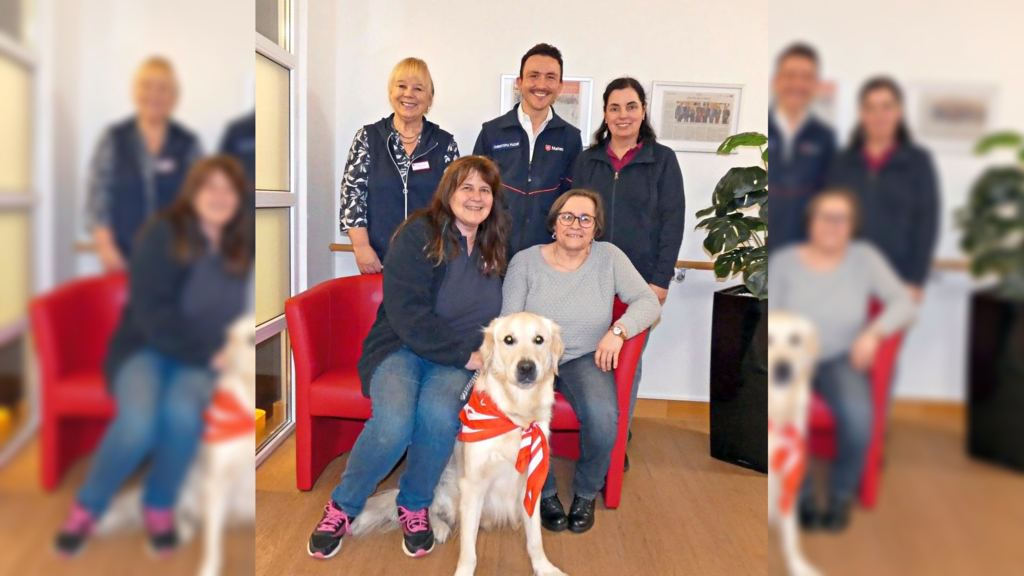
The initiative is exemplified by the work of volunteers like Ingrid Hess and her Golden Retriever, Brösel. Since October, this pair has been visiting the Malteserstift St. Nikola, bringing a sense of warmth and companionship to a setting often defined by clinical sterility. Their success has served as a catalyst for a broader rollout, with new training opportunities now opening for other residents in the Passau and Freyung regions who wish to dedicate their time and their pets to this cause.
For those unfamiliar with the German social landscape, the term Ausbildung typically refers to the country’s rigorous dual-system vocational training. However, in the context of volunteerism, it denotes a structured certification process. The training for visiting dogs is not merely a formality; it is a critical safety and quality assurance measure that ensures the welfare of the vulnerable patients and the dogs themselves.
The Architecture of Animal-Assisted Intervention
Animal-assisted interventions (AAI) are increasingly recognized not as mere “comfort visits,” but as strategic tools in holistic healthcare. The integration of dogs into visiting services is based on the understanding that animals can act as social catalysts, breaking through the emotional barriers that often accompany long-term hospitalization or cognitive decline.
The psychological mechanism is well-documented. Interaction with a friendly animal can trigger the release of oxytocin—often called the “bonding hormone”—while simultaneously reducing levels of cortisol, the primary stress hormone. For an elderly person struggling with dementia or a patient facing a chronic illness, the presence of a dog like Brösel can reduce anxiety, lower blood pressure, and stimulate conversation and memory recall.
The Malteser International and its domestic branches, such as the Malteser Hilfsdienst in Germany, operate on a philosophy of “mercy and care.” By incorporating dogs into their visiting services, they expand the definition of care to include emotional and spiritual well-being, recognizing that the human-animal bond is a powerful tool for combating the social isolation that often accompanies illness.
The Rigors of Dog-Assisted Visiting Services Training
Becoming a certified visiting dog is a process of elimination and refinement. Not every friendly pet is suited for the high-stress environment of a care facility, where they may encounter wheelchairs, walkers, loud medical equipment, and people with unpredictable behaviors.
The training process generally focuses on three core pillars: canine temperament, handler competence, and environmental adaptability.
- Canine Temperament: The dog must exhibit a naturally calm disposition. They must be indifferent to sudden noises and comfortable with being touched by strangers, including those who may not know how to interact with animals correctly.
- Handler Competence: The volunteer must be able to read their dog’s subtle stress signals. A key part of the training is knowing when a dog has had enough and needs to leave the room to prevent stress-induced reactions.
- Environmental Adaptability: Dogs are trained to navigate the specific challenges of a clinical setting, such as ignoring food dropped on the floor or remaining calm in elevators and narrow hallways.
Because this service was relatively new to the Diocese of Passau, early pioneers like Ingrid Hess sought their certification through established Malteser programs in other regions, such as Landshut. This cross-regional collaboration ensures that the standards of care remain consistent across different dioceses and districts.
The Economic and Social Value of the Volunteer Care Economy
From a business and economic perspective, the rise of volunteer-led visiting services represents a vital supplement to the formal healthcare economy. Germany, like much of the developed world, faces a severe shortage of skilled nursing and care staff. While volunteers cannot replace medical professionals, they fill a critical “care gap” by addressing the non-clinical needs of patients.

The “care economy” is often discussed in terms of wages and labor shortages, but the value of unpaid, high-skill volunteerism—such as that provided by certified visiting dogs—is immense. These services reduce the psychological burden on professional staff by improving the overall mood and cooperation of patients, which can, in turn, lead to better health outcomes and reduced hospital stay durations.
these programs create a secondary social benefit: the integration of the volunteer into the community. By pairing people from the Passau and Freyung areas with local care facilities, the programs rebuild the intergenerational and social bridges that are often severed when the elderly move into residential care.
Key Benefits of Dog-Assisted Visiting Services
| Dimension | Effect on Patient | Clinical/Social Outcome |
|---|---|---|
| Emotional | Reduction in feelings of loneliness and abandonment | Lowered rates of depression and anxiety |
| Physiological | Lowering of cortisol and increase in oxytocin | Reduced blood pressure and stress levels |
| Cognitive | Stimulation of sensory and verbal communication | Improved mental alertness and memory engagement |
| Social | Creation of a “neutral” third party for interaction | Increased willingness to socialize with staff and peers |
Challenges and Ethical Considerations
Despite the benefits, the implementation of dog-assisted services requires strict ethical oversight. The primary concern is always the safety of the patient and the well-being of the animal. Here’s why the “Ausbildung” or training phase is non-negotiable.
Potential risks include allergic reactions among patients or the possibility of a dog becoming overwhelmed by the environment. To mitigate these risks, certified handlers are trained to conduct pre-visit screenings to ensure the patient is comfortable with dogs and that the environment is safe for the animal. The relationship is a partnership; if the dog is stressed, the therapeutic value is lost, and the risk of an incident increases.
The expansion of these services in the Passau region suggests a growing institutional trust in the Malteser model. By formalizing the training and certification, the organization transforms a well-meaning gesture—bringing a dog to a nursing home—into a professionalized psychosocial intervention.
Looking Ahead: The Future of Companion Care
As the global population ages, the demand for innovative care models will only increase. The success of the visiting dog program in the Diocese of Passau serves as a blueprint for how local communities can leverage the human-animal bond to support their most vulnerable citizens.

The next phase for this initiative involves the onboarding of new volunteers from the surrounding regions. As more pairs of handlers and dogs complete their training, the frequency and reach of these visits will expand, potentially integrating these services into the standard care plans of more facilities across the region.
For residents of Passau and Freyung interested in contributing, the path forward involves contacting local Malteser coordinators to begin the temperament assessment and training process. This transition from “pet owner” to “certified visiting handler” is a journey of discipline and empathy, resulting in a service that provides profound comfort to those for whom a simple pat on the head is the highlight of their week.
The next confirmed step for the program is the commencement of the new training cycle for interested volunteers in the Passau and Freyung areas, which will further expand the network of certified visiting dogs available to local care facilities.
Do you believe animal-assisted therapy should be a standard part of elderly care? We invite you to share your thoughts and experiences in the comments below.