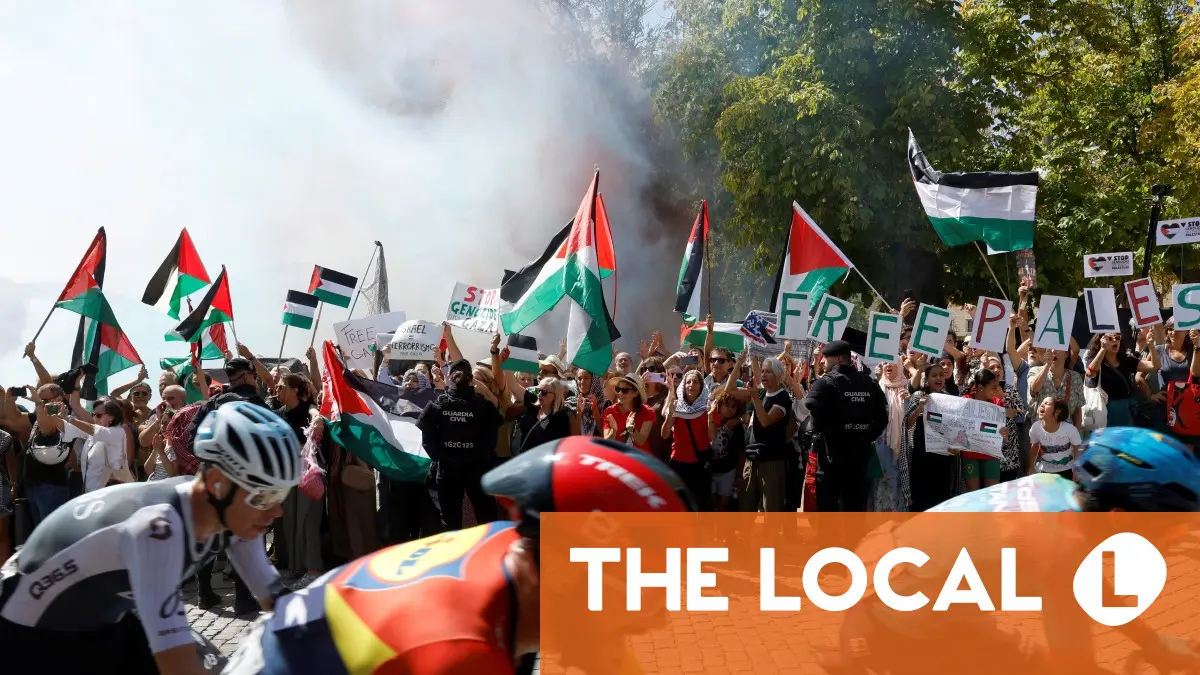
The Vuelta a España Protests: Navigating Political Activism and Sporting Integrity
The 2024 Vuelta a España, a prestigious grand tour cycling race, has been significantly impacted by ongoing pro-Palestinian protests targeting the Israel Premier Tech team. This unprecedented situation has forced organizers to make challenging decisions, including shortening stages to ensure rider safety and maintain some semblance of competitive fairness. This article delves into the complexities of this controversy, examining the motivations behind the protests, the responses from race officials and authorities, and the broader implications for the intersection of sports and political activism. The core issue revolves around sports protests, and how they are reshaping the landscape of professional cycling.
Understanding the Roots of the Protests
The protests aren’t simply about cycling; they represent a powerful expression of solidarity with Palestine amidst the ongoing Israeli-Palestinian conflict.Demonstrators argue that allowing the Israel Premier Tech team to participate normalizes the Israeli government’s actions and policies. These protests have manifested in various forms, from displaying Palestinian flags and banners to, more disruptively, running onto the race course, causing crashes and jeopardizing rider safety.
Route Alterations and Security Measures: A Balancing act
Faced with escalating disruptions, Vuelta a España organizers took the drastic step of shortening the final 21st stage by eight kilometers (five miles). The removed section traversed a residential area of Madrid, deemed particularly vulnerable to protests. This decision, while prioritizing safety, sparked criticism from some quarters, who argued it diminished the sporting integrity of the race.
Madrid authorities have responded by significantly increasing security measures. first Deputy Mayor José Martínez-Almeida announced a near doubling of policing numbers for the final stage. the central government has also deployed over 1,500 additional municipal and national police officers to ensure rider safety and manage potential demonstrations.
This situation highlights the delicate balance organizers must strike between upholding the principles of fair competition and safeguarding the well-being of athletes. Is shortening a stage a justifiable response to political protest, or does it set a dangerous precedent?
The Legal and Ethical Dimensions of Sports Protests
The legality of protesting at a sporting event is complex and varies depending on jurisdiction. While freedom of expression is a fundamental right, it is not absolute and can be restricted when it infringes upon the rights and safety of others. Running onto the course, such as, constitutes a clear safety hazard and is likely illegal.
Ethically, the situation raises questions about the appropriate venues for political expression. Should sporting events be considered neutral ground, or are they legitimate platforms for raising awareness about crucial social and political issues? The israel Premier Tech team has argued that they should not be penalized for the actions of a government they do not control. Conversely, protesters maintain that their actions are a necessary response to what they perceive as complicity through participation.
A Comparative Look: Sports and Political Activism
| Event | Protest Focus | Response | Outcome |
|---|---|---|---|
| 1968 Mexico City Olympics | Racial Discrimination & Human Rights | Black Power Salute by Tommie smith & John Carlos | Suspension & controversy |
| 1980 Moscow Olympics | Soviet Invasion of Afghanistan | US-led Boycott | Reduced Participation |
| 2020 US Sports | Racial Injustice & Police Brutality | Athlete-led Protests (kneeling) | Increased Awareness & Policy changes |
| 2024 Vuelta a España | Israeli-Palestinian conflict | Stage Shortening & Increased Security | ongoing Controversy |
This table illustrates a historical pattern of athletes and sporting events becoming focal points for political expression.The responses have varied widely, ranging from outright suppression to cautious acceptance. The Vuelta a España situation appears to be evolving towards a more proactive security-focused approach, coupled with a degree