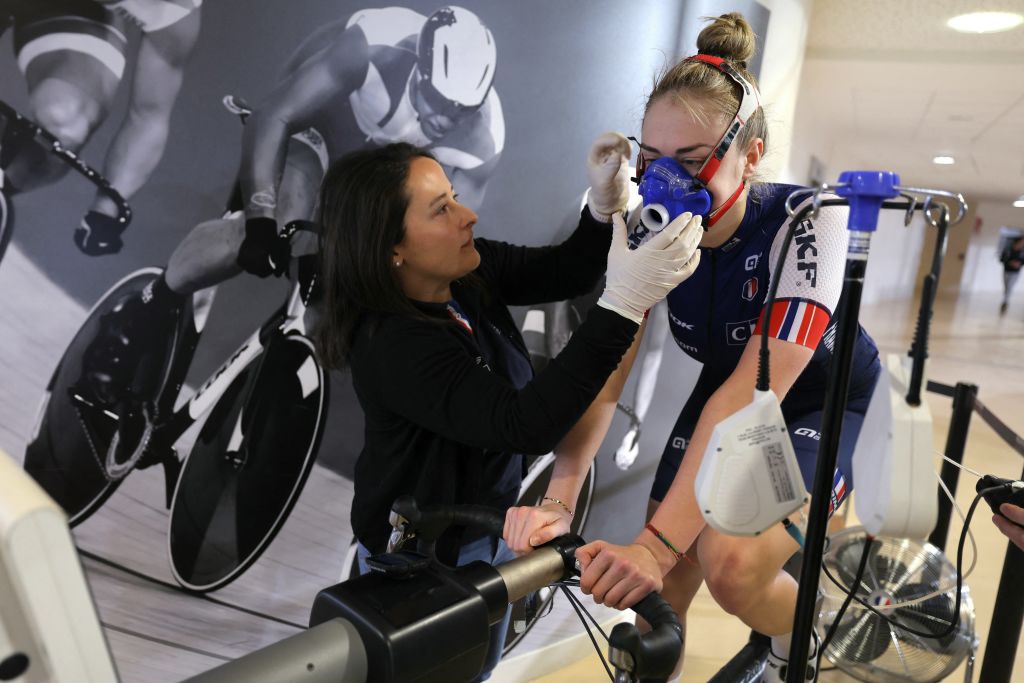
Carbon Monoxide in Cycling: Separating Legitimate Diagnostics from Potential Doping Concerns
The use of carbon monoxide (CO) in professional cycling has recently sparked debate, raising questions about performance enhancement and ethical boundaries. While seemingly counterintuitive – CO is a deadly gas – its application isn’t about direct inhalation for a boost, but rather a sophisticated diagnostic technique. This article breaks down the controversy,clarifies the current regulations,and explains what this means for you,the cycling enthusiast.
The Science Behind the Controversy
Carbon monoxide, when inhaled in controlled and limited doses, mimics the effects of high-altitude training. At altitude, the body experiences hypoxia – a lack of oxygen. This triggers the production of more red blood cells, enhancing oxygen-carrying capacity and, ultimately, athletic performance.
Teams began utilizing CO rebreathers to assess how effectively their athletes were responding to altitude camps.The gas allows for a quick measurement of blood volume and oxygen uptake, offering insights into training adaptations. Though, the potential for misuse quickly became apparent.
Why the Concern? Performance Enhancement vs. Diagnostics
The core issue isn’t the diagnostic use of CO, but the possibility of athletes exploiting it for an unfair advantage. Repeated or excessive CO inhalation could be used to artificially boost red blood cell production, effectively creating a “chemical altitude.” This is where the line between legitimate medical assessment and prohibited doping blurs.
Here’s a breakdown of the key distinctions:
* permitted: Single-inhalation CO tests conducted in a controlled medical environment for diagnostic purposes (like measuring total hemoglobin mass or pulmonary diffusion capacity).
* Prohibited: Repeated CO inhalation intended to enhance performance by artificially increasing red blood cell production.
UCI and WADA Respond to the Debate
The union Cycliste Internationale (UCI), cycling’s governing body, quickly recognized the need for clarity.Thay requested the World Anti-Doping Agency (WADA) to provide a definitive stance on CO rebreathers.
WADA recently clarified its position: diagnostic use remains legal. Their statement emphasizes a distinction between legitimate medical procedures and illicit attempts to manipulate performance. They also acknowledge that CO exposure occurs naturally through combustion and environmental sources, further justifying the allowance for controlled diagnostic applications.
What Teams Are Doing Now
The initial reports and ensuing scrutiny prompted some teams to reassess their practices. UAE Team Emirates, for example, voluntarily suspended their use of CO as a diagnostic tool in December, despite it being permitted. This demonstrates a commitment to transparency and a desire to avoid even the appearance of impropriety.
Jonas Vingegaard of Visma-Lease a Bike, weighed in, stating he was unaware of the potential for misuse and that his team used the gas solely to evaluate the effectiveness of altitude training.
What Does This Mean for You?
As a cycling fan, it’s important to understand that the current regulations allow for the responsible use of CO as a diagnostic tool. The concern isn’t about teams suddenly equipping riders wiht gas masks mid-race.
Instead, the focus is on ensuring that the technology isn’t abused to gain an unfair competitive edge. The UCI and WADA are working to maintain a level playing field while allowing teams to utilize legitimate medical advancements.
Key takeaways:
* Carbon monoxide isn’t being used to directly enhance performance during races.
* Its primary application is as a diagnostic tool to assess the effectiveness of altitude training.
* WADA has clarified that diagnostic use is permitted, while performance enhancement is prohibited.
* The UCI is actively monitoring the situation and working with WADA to ensure fair play.
This situation highlights the ongoing challenge of staying ahead of potential doping methods in professional sports. As technology evolves, so too must the regulations and vigilance of governing bodies to protect the integrity of the competition.
Resources: