
Former Al Ahly SC player and football analyst Walid Salah El-Din has called for a major restructuring of the Egyptian club’s financial model, suggesting that player contracts should be reduced by 50% to address unprecedented salary disparities. Speaking on the current economic state of the club, Salah El-Din noted that the wage gap between the squad’s highest and lowest earners has reached levels previously unseen in the history of the institution.
The analyst’s comments highlight growing concerns regarding the sustainability of Al Ahly’s current spending patterns. According to Salah El-Din, the significant financial distances between certain high-earning players and the rest of the squad could impact the internal balance of the team. He specifically pointed to the need for a more equitable distribution of wealth within the roster to ensure long-term stability.
Why is Walid Salah El-Din calling for contract reductions at Al Ahly?
Walid Salah El-Din argued that the current financial structure at Al Ahly SC is no longer aligned with the club’s historical norms. During recent discussions regarding the club’s management, he emphasized that the club must consider a 50% reduction in existing contracts to stabilize its fiscal position. This proposal comes as the club continues to compete at the highest levels of both domestic and continental football, where squad depth and financial health are increasingly critical.
The core of his argument rests on the “unprecedented” nature of the current wage gaps. In professional football, extreme disparities in compensation can often lead to friction within a locker room, potentially undermining the collective goals of the team. Salah El-Din suggested that the current economic model has created a divide that could affect player morale and team cohesion if not addressed by the club’s administration.
What are the claims regarding Emam Ashour and player management?
A significant portion of Salah El-Din’s critique focused on the management of individual players, specifically midfielder Emam Ashour. The analyst stated that while various disciplinary measures and penalties have been implemented within the Al Ahly squad, the most substantial impact was directed toward Ashour.
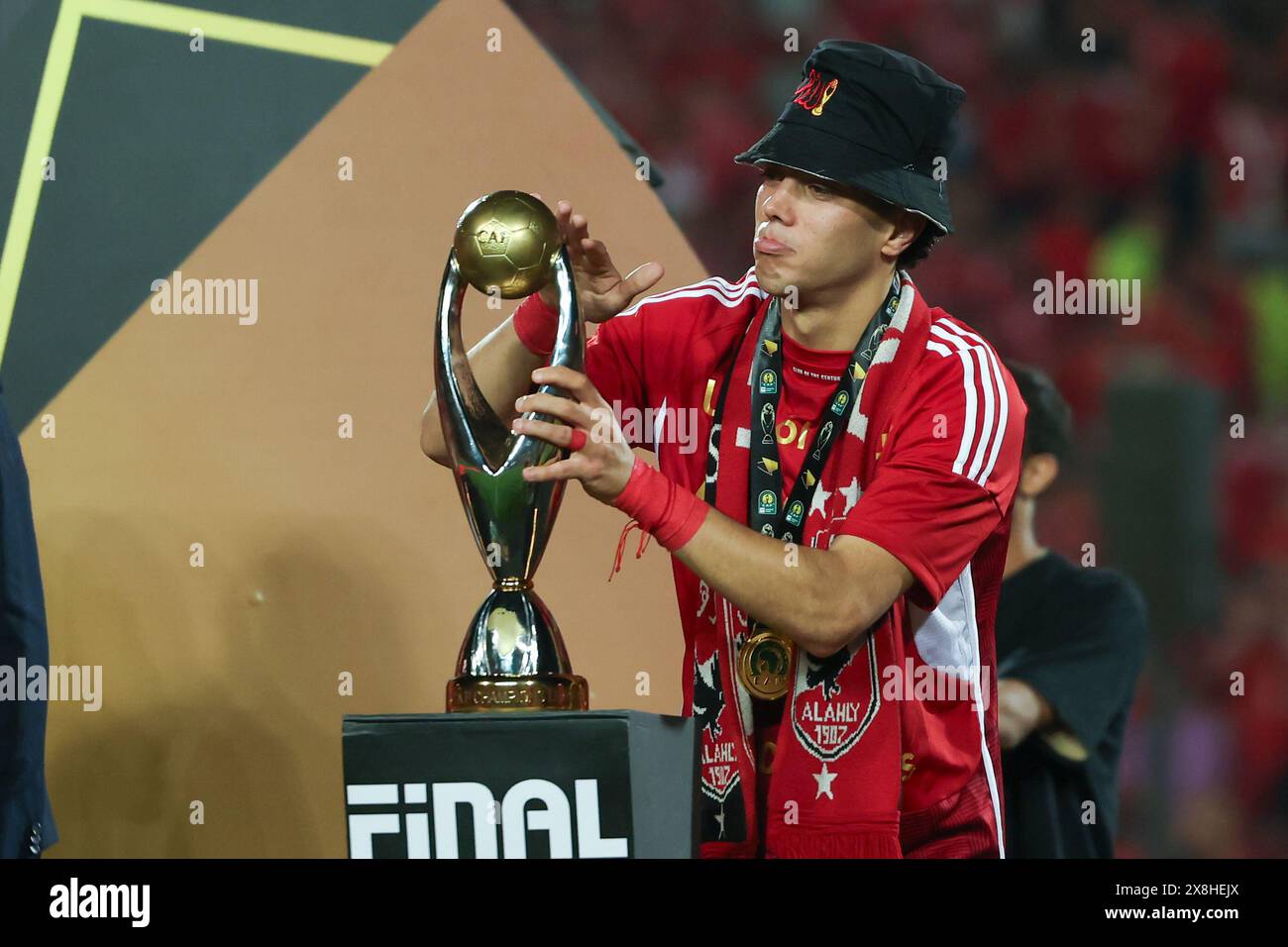
Beyond the issue of penalties, Salah El-Din suggested that Ashour requires a more comprehensive and structured management approach to maximize his performance and integration within the squad. The analyst noted that the current management of the player needs to be more holistic, addressing both his technical role on the pitch and his professional standing within the club’s hierarchy.
The comments regarding Ashour follow his high-profile move to Al Ahly, a transfer that drew significant attention due to the player’s status and the financial implications involved. While the club has not officially commented on the specific penalties mentioned by Salah El-Din, the analyst’s remarks reflect a broader debate regarding how the club handles its most high-profile assets.
How do salary disparities impact Al Ahly’s squad stability?
The discussion surrounding “the trio”—referring to a group of high-earning players—and the vast financial distance between them and the rest of the squad has become a focal point for critics of the club’s current administration. Salah El-Din expressed concern that the current pay scales do not reflect a balanced sporting environment, noting that no single player should command a valuation that creates such a massive gap within the team.
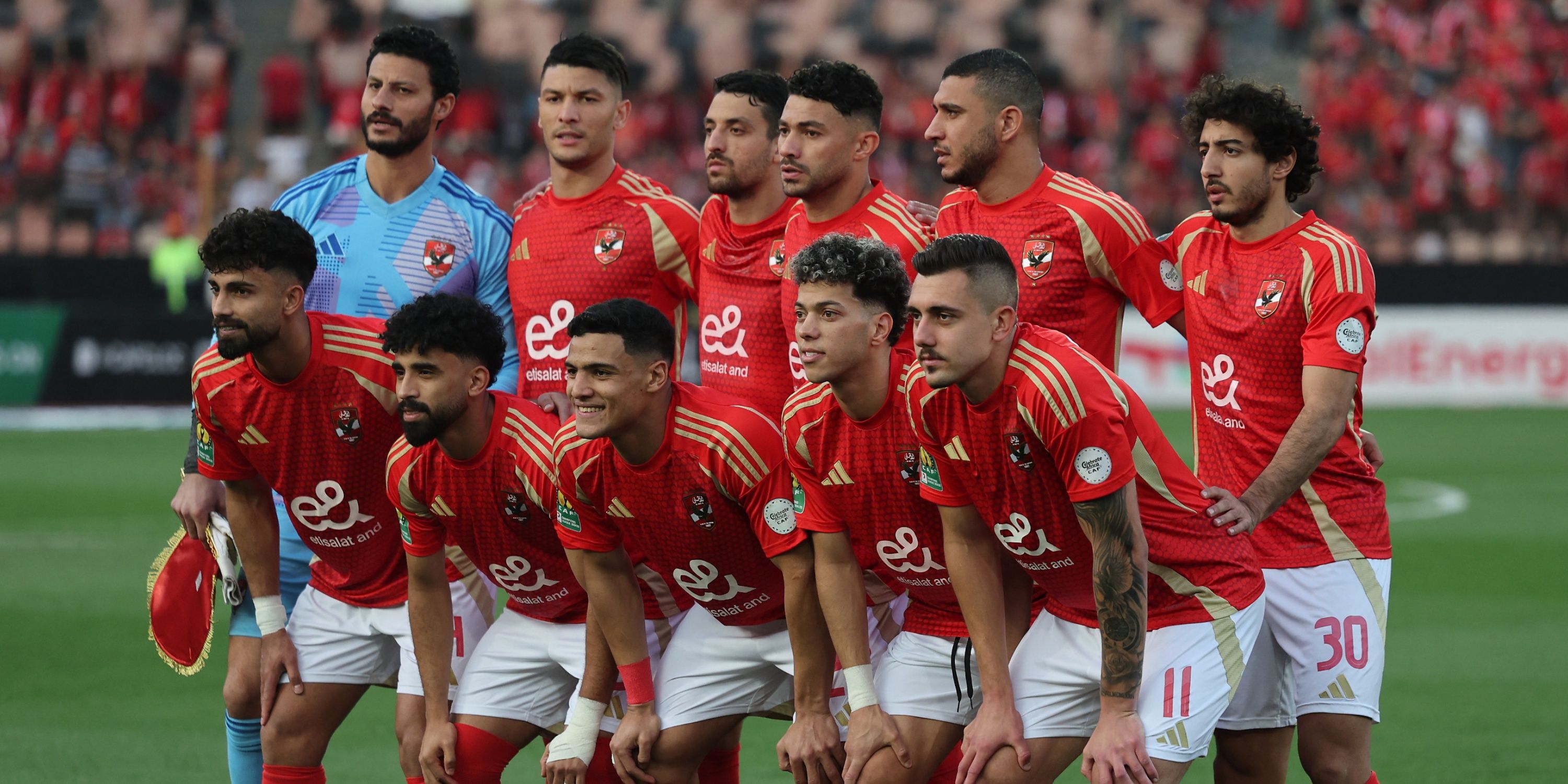
In the context of modern football management, salary cap-style measures or contract renegotiations are often used to maintain “locker room harmony.” When a small group of players earns significantly more than the rest of the squad, it can create a perceived hierarchy that complicates coaching and collective discipline. Salah El-Din’s suggestion of a 50% reduction is a radical measure intended to close these gaps and return the club to a more traditional, unified financial structure.
Furthermore, the analyst touched upon the perceived unfair treatment of certain squad members, suggesting that the current distribution of resources and recognition has not been equitable. While he did not provide specific names for every instance of perceived injustice, his critique pointed toward a systemic issue in how player value and compensation are assessed by the club’s leadership.
The broader economic context of Egyptian football
Al Ahly’s financial decisions do not exist in a vacuum; they are part of a shifting landscape in the Egyptian Premier League and African football. As clubs across the continent seek to professionalize their operations, the tension between aggressive recruitment and financial sustainability has become more pronounced.
For a club of Al Ahly’s stature, the pressure to secure top-tier talent often leads to high-value contracts. However, as Salah El-Din’s comments suggest, the long-term risk of these investments lies in the potential for financial imbalance. If the club’s revenue growth does not keep pace with its wage bill, the resulting pressure can lead to the very issues the analyst warned about: the need for drastic contract cuts and the management of disgruntled or highly-valued players.
The debate raised by Salah El-Din serves as a precursor to what many analysts expect to be a period of increased scrutiny over how major African clubs manage their wage bills and player relations. Whether the Al Ahly administration chooses to adopt more stringent financial controls or continues its current trajectory remains a key question for the club’s future stability.
Next Checkpoint: Official statements from Al Ahly SC regarding their current financial strategy or any responses to recent criticisms from former players are expected in upcoming club briefings.
What do you think about the financial structure at Al Ahly? Should clubs implement stricter salary caps to maintain team unity? Let us know in the comments below and share this article with your fellow football fans.
Worth a look