The Simple Exercise That Predicts Your Future Mobility
Strong legs aren’t just about aesthetics; they’re a powerful indicator of your overall health and future independence. Consider the wall sit – a deceptively simple exercise that reveals a lot about your body’s strength and endurance. It’s a fantastic measure of how well you’re equipped to handle the everyday demands of life,and even recreational activities.
If you can comfortably hold a wall sit for over a minute, you’re already performing better than many people your age. More importantly, you’re actively investing in your long-term well-being, protecting your stability, and preserving your quality of life for years to come.
Why Wall Sits Matter as You age
As we get older,maintaining lower body strength becomes increasingly crucial. It directly impacts your ability to perform essential movements like standing up from a chair, climbing stairs, and recovering from a stumble. Reduced leg strength is a significant risk factor for falls, wich can led to serious injuries and a loss of independence.
Here’s a breakdown of why this exercise is so valuable:
* Endurance Indicator: A wall sit tests your muscular endurance, showing how long your leg muscles can sustain effort.
* Functional Strength: It mimics real-life movements, translating directly to improved performance in daily activities.
* Stability & Balance: Strong legs contribute to better balance and stability, reducing your risk of falls.
* Independence Preservation: Maintaining leg strength allows you to remain active and independent for longer.
The Science Behind Strong Legs and Healthy Aging
Recent research confirms the strong link between lower limb strength and fall prevention in older adults. A extensive review of studies demonstrated a clear association between stronger legs and a reduced risk of both past falls and future falls. This highlights the proactive role you can take in safeguarding your mobility and well-being.
How to Incorporate Wall Sits into Your Routine
Ready to test and improve your leg strength? Here’s how to perform a wall sit correctly:
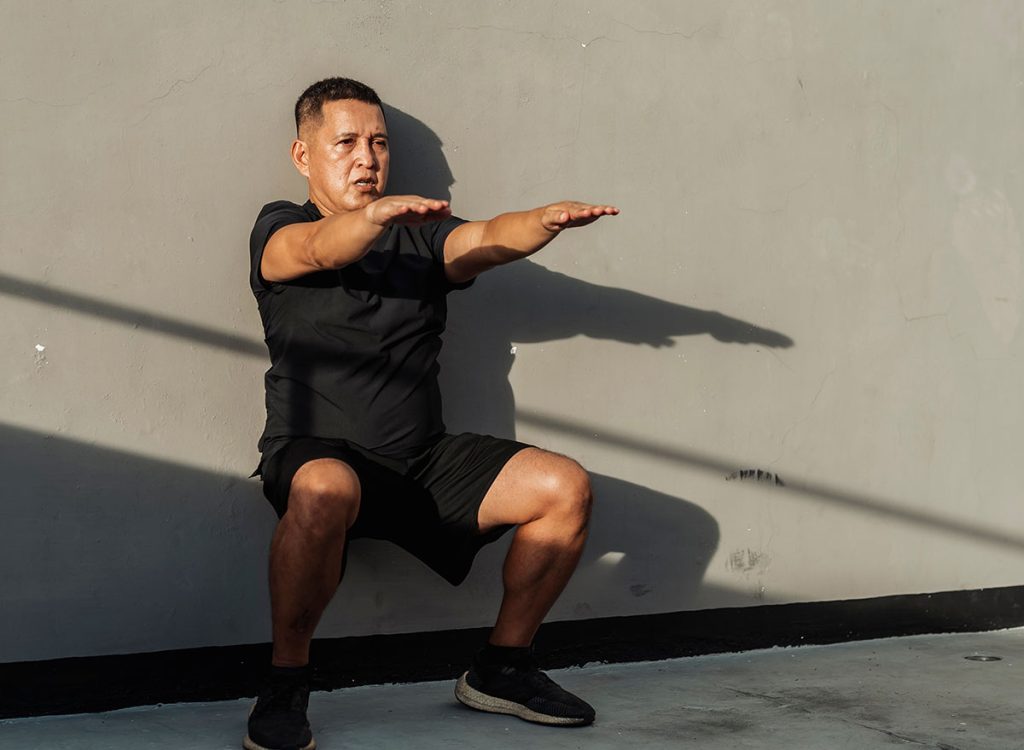
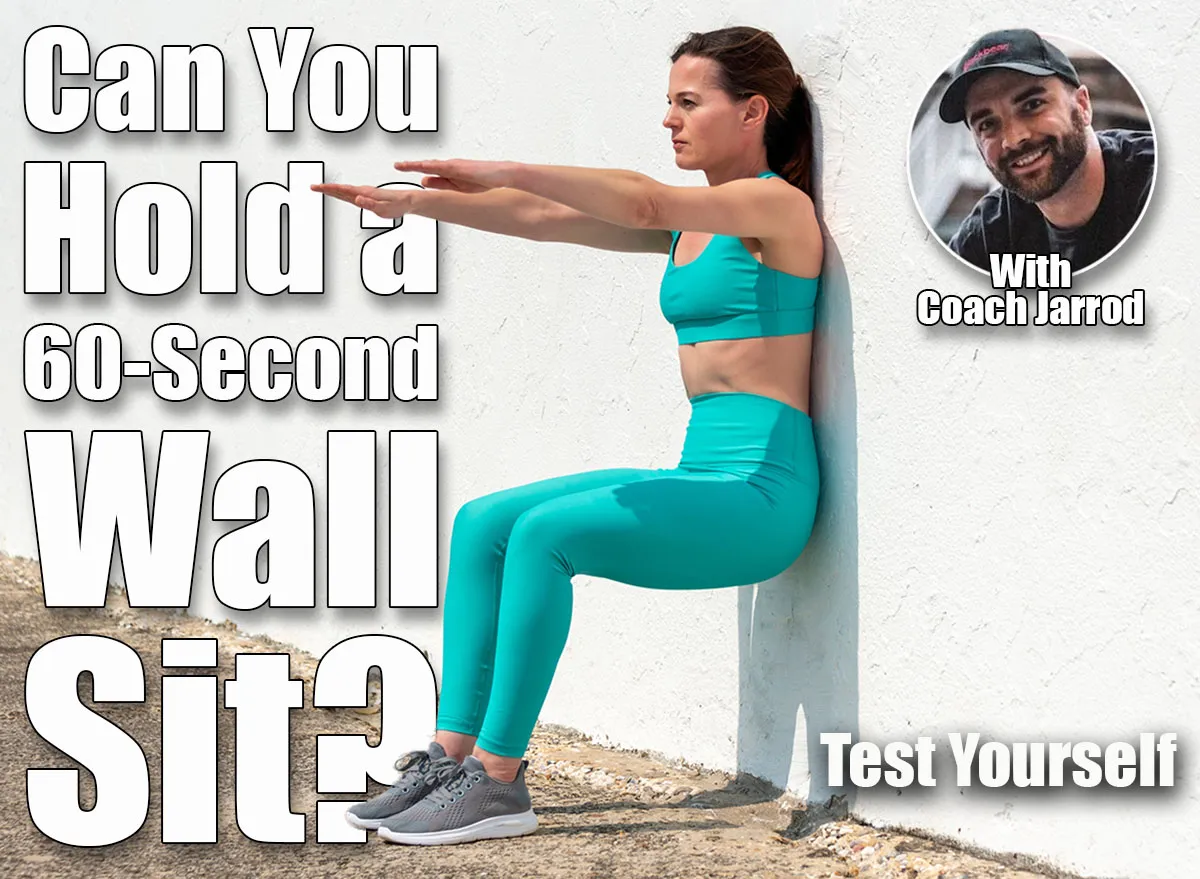
- Start Position: Stand with your back flat against a wall, feet shoulder-width apart, and about two feet away from the wall.
- Lower Down: Slowly slide down the wall until your thighs are parallel to the ground, as if you’re sitting in an invisible chair.
- Hold the Position: Maintain a 90-degree angle at your knees, keeping your core engaged and your back pressed firmly against the wall.
- Hold Time: Aim to hold the position for as long as you can with good form. Start with 30 seconds and gradually increase the duration as you get stronger.
- Repeat: Perform 3-5 repetitions with short rest periods in between.
Don’t be discouraged if you can’t hold a wall sit for a full minute right away. Consistency is key. Regularly incorporating this exercise into your routine, even for short durations, will yield significant benefits over time.
Prioritizing your leg strength is an investment in your future. It’s a simple,effective way to protect your independence,enhance your quality of life,and move with confidence for years to come.