
US stock markets opened higher during early trading sessions as optimism regarding potential diplomatic progress with Iran provided a buffer against the Federal Reserve’s recent signals of a more restrictive monetary policy. While the central bank’s hawkish tone initially pressured equities, investors pivoted toward geopolitical stability, allowing major indices to recover from early losses.
The market movement reflects a complex tug-of-war between two dominant economic drivers: the Federal Reserve’s battle against persistent inflation and the shifting risk premiums associated with Middle Eastern stability. According to market data, the initial downward pressure from the Federal Reserve was mitigated by reports suggesting a potential easing of tensions in the Iran-related diplomatic landscape.
How the Federal Reserve’s Hawkish Stance Impacted Early Trading
The Federal Reserve’s recent communications have signaled a “higher-for-longer” approach to interest rates, a stance that typically exerts downward pressure on equity valuations. By maintaining a “belliciste”—or hawkish—tone, central bank officials have emphasized the necessity of restrictive policy to ensure inflation returns to its 2% target. This stance has increased the discount rate applied to future corporate earnings, making stocks, particularly in the growth and technology sectors, less attractive to investors.
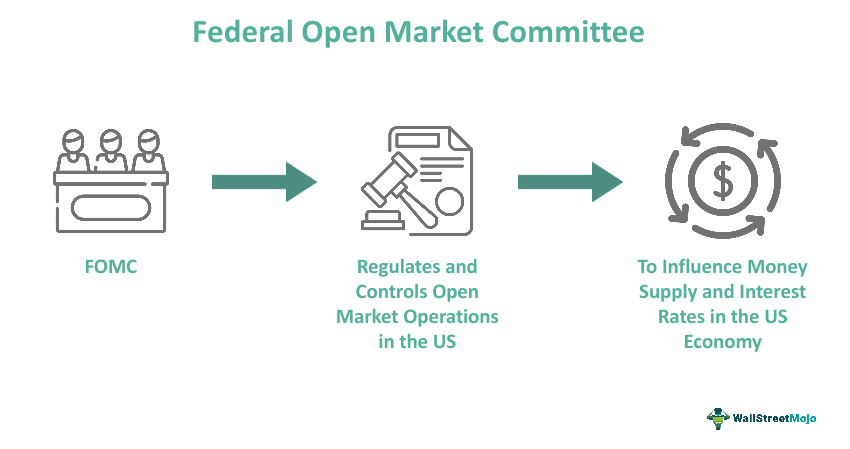
Market participants closely monitored the Federal Open Market Committee’s (FOMC) language regarding the timing and frequency of potential rate cuts. The lack of immediate signaling for easing has kept bond yields elevated, which often acts as a headwind for the Wall Street indices. However, the anticipated impact of these rates was partially neutralized by a sudden shift in global sentiment.
The relationship between interest rates and market volatility is direct: when the Fed maintains a firm stance, the cost of capital remains high, which can dampen corporate expansion and consumer spending. For global investors, the primary concern is whether the Fed can achieve a “soft landing”—curbing inflation without triggering a significant recession.
The Role of Geopolitical Optimism in Market Recovery
The primary catalyst for the mid-session recovery appears to be growing optimism surrounding a potential diplomatic agreement involving Iran. In the current global economic climate, geopolitical instability in the Middle East serves as a significant “risk premium” that investors demand to hold equities. Any indication of diplomatic progress tends to lower the perceived risk of supply chain disruptions, particularly in the energy sector.
While the Federal Reserve’s stance suggests economic tightening, the prospect of a diplomatic breakthrough provides a counter-narrative of stability. This sentiment has helped calm fears of sudden spikes in oil prices or broader regional conflicts that could exacerbate global inflationary pressures. As geopolitical risk decreases, capital often flows back into riskier assets like equities, offsetting the drag caused by high interest rates.
Financial analysts note that the market’s sensitivity to these developments highlights how deeply interconnected monetary policy and international relations have become. A more stable geopolitical environment can actually assist the Federal Reserve’s mission by preventing “cost-push” inflation driven by energy shortages or maritime trade disruptions.
European Market Performance: CAC 40 and Sector Volatility
In Europe, market sentiment remained largely indecisive as investors grappled with the same dual forces affecting US markets. The CAC 40, France’s benchmark index, showed signs of stagnation, caught between the relief provided by geopolitical news and the uncertainty surrounding the Fed’s hawkish trajectory. The index struggled to find a clear direction as traders balanced the benefits of reduced geopolitical risk against the costs of tighter global credit conditions.
Individual stock movements within the European markets provided a stark contrast to the broader index stability. Two notable performers highlighted the sector-specific volatility currently defining the market:
- Edenred: The payment services and employee benefits provider saw its shares surge, outperforming much of the broader market.
- 2CRSi: The high-performance computing and server manufacturer experienced a sharp decline in share price, reflecting broader volatility in the tech-heavy hardware sector.
The divergence in these stocks suggests that while the “macro” environment is uncertain, “micro” factors—such as company-specific earnings, sector demand, and technological shifts—are driving significant capital reallocation. For instance, the surge in Edenred may be tied to specific corporate growth forecasts or its position within the digital payment ecosystem, whereas 2CRSi’s decline may reflect investor caution regarding the capital-intensive nature of the hardware industry in a high-interest-rate environment.
Key Market Drivers: A Summary
To understand the current market equilibrium, it is essential to view the following competing factors side-by-side:
| Factor | Market Influence | Primary Driver |
|---|---|---|
| Federal Reserve Policy | Bearish / Downward Pressure | Hawkish stance on interest rates and inflation control. |
| Geopolitical Sentiment | Bullish / Upward Pressure | Optimism regarding diplomatic progress with Iran. |
| European Indices (CAC 40) | Neutral / Stagnant | Tug-of-war between rate fears and geopolitical relief. |
| Sector Volatility | Mixed | Divergence between services (Edenred) and tech hardware (2CRSi). |
Why This Matters for Global Investors
The current market environment represents a transition period where traditional economic indicators are being challenged by unpredictable geopolitical variables. For global investors, the “inflation vs. stability” narrative is the most critical framework for managing portfolios. When the Fed is hawkish, the “risk-free rate” (typically represented by US Treasury yields) rises, making fixed-income assets more competitive against stocks.
However, the “geopolitical discount” that has been applied to markets due to Middle Eastern tensions can be retracted quickly. If diplomatic progress continues, the resulting reduction in the risk premium could lead to a broader rally, even if interest rates remain elevated. This makes the coming weeks a period of high sensitivity to both central bank speeches and international diplomatic cables.
Investors should monitor the following upcoming checkpoints for further market direction:
- Federal Reserve Meeting Minutes: Any further clarification on the committee’s view of inflation.
- Official Diplomatic Statements: Verified updates regarding the status of negotiations involving Iran.
- Economic Data Releases: Upcoming CPI (Consumer Price Index) and employment data that will influence the Fed’s next move.
For more updates on global market trends and economic policy, please subscribe to our newsletter and share this analysis with your professional network. We welcome your comments on the current market volatility below.
Worth a look