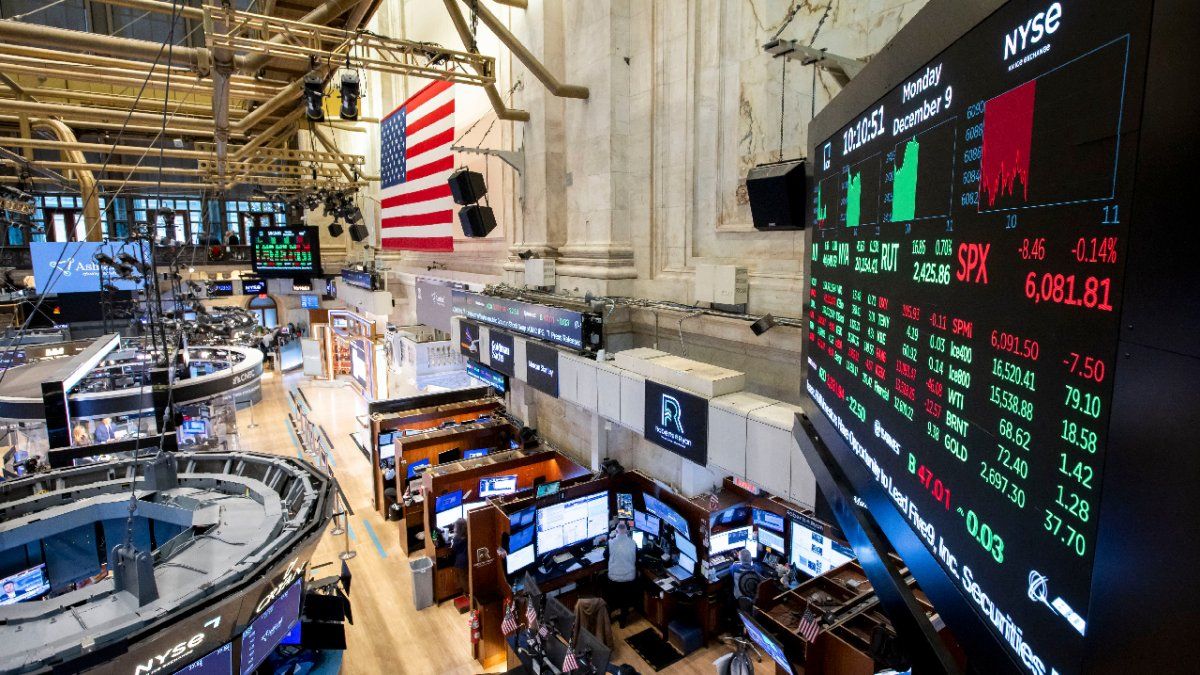
Wall Street has demonstrated remarkable resilience in recent sessions, with major indices carving out new territory as investors weigh the dual influence of shifting geopolitical currents in the Middle East and a robust corporate earnings landscape. The broader market sentiment, which has been closely tethered to the volatility of regional stability, found a renewed sense of optimism this week as market participants digested news regarding potential diplomatic progress and its subsequent impact on global energy markets and investor risk appetite.
For global investors, the current market environment represents a complex intersection of macroeconomic data and geopolitical maneuvering. As indices like the S&P 500 and the Nasdaq Composite reach historic milestones, the underlying narrative remains one of cautious optimism. The anticipation surrounding a possible extension of the ceasefire in the Middle East has served as a primary catalyst, helping to alleviate concerns over potential supply chain disruptions and the inflationary pressure typically associated with energy price spikes during periods of heightened regional conflict, according to data from Reuters market reporting.
Geopolitical Stability and Market Correlation
The correlation between geopolitical de-escalation and equity performance has been particularly pronounced in recent trading cycles. When the prospect of a sustained ceasefire emerges, the immediate relief is often reflected in the energy sector, where crude oil prices tend to stabilize, thereby reducing the “geopolitical risk premium” that often weighs on consumer discretionary and industrial stocks. As noted by the International Monetary Fund in their recent outlook, regional instability remains a primary downside risk for global growth, making any sign of diplomatic progress a significant driver for institutional capital allocation.

The recent market rally is not solely a product of geopolitical headlines. it is fundamentally supported by a resilient domestic economy. Investors have been closely monitoring the Federal Reserve’s policy trajectory, with current market pricing suggesting a high probability of further interest rate adjustments as inflation data shows signs of cooling. According to the Bureau of Labor Statistics, the Consumer Price Index (CPI) has shown a trend of deceleration, which has provided the necessary “breathing room” for the equity markets to look past immediate concerns and focus on long-term earnings growth.
Corporate Earnings: The Engine of Growth
While headlines regarding the Middle East capture the immediate attention of traders, the structural strength of the S&P 500 is deeply rooted in the performance of the technology sector and broader corporate profitability. Many of the largest firms in the United States have navigated high-interest-rate environments with surprising agility, often exceeding analyst expectations for both revenue and margins. This earnings strength has provided a fundamental floor for valuations, even as macro-uncertainty persists.
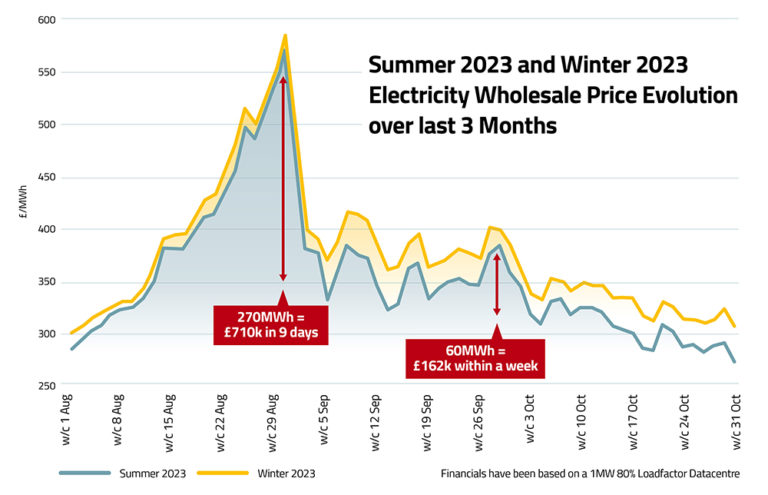
The “tech-led” rally has been a defining feature of the current cycle. Companies focused on artificial intelligence, cloud infrastructure and enterprise software continue to command significant investor interest. As these firms report their quarterly results, the narrative has shifted from purely speculative growth to tangible profitability. The SEC’s EDGAR database provides a comprehensive look at these filings, which continue to indicate that capital expenditure in technology remains a priority for the largest S&P 500 constituents, signaling confidence in sustained demand despite geopolitical headwinds.
Key Factors Influencing Current Market Sentiment
- Energy Market Volatility: The stabilization of Brent and WTI crude prices has been a crucial factor in maintaining investor confidence, as lower energy costs help mitigate inflationary pressures on the broader economy.
- Interest Rate Expectations: Market participants are currently aligning their portfolios with the expectation that the Federal Reserve will maintain a data-dependent stance, with future policy meetings likely to emphasize labor market health alongside inflation targets.
- Geopolitical Diplomacy: The potential for a long-term ceasefire remains a volatile variable; any shift in the diplomatic landscape is expected to trigger immediate fluctuations in safe-haven assets, such as gold and the U.S. Dollar.
- Corporate Resilience: The ability of large-cap firms to maintain pricing power in an environment of elevated borrowing costs has been a critical differentiator for investors.
Looking Ahead: What Investors Should Monitor
As we look toward the final weeks of the quarter, the primary focus for market analysts will be the upcoming policy guidance from the Federal Reserve and any formal updates regarding international diplomatic efforts in the Middle East. The interplay between these two forces will likely dictate the market’s trajectory through the end of the year. Investors are encouraged to monitor official announcements from the Federal Reserve’s Board of Governors to stay informed on the timing of upcoming policy decisions, which are scheduled for the next Federal Open Market Committee (FOMC) meeting.
It is important to remember that while historical highs generate significant media attention, they also necessitate a disciplined approach to risk management. Market participants should maintain a focus on long-term fundamentals rather than short-term price action, particularly when news cycles are dominated by rapidly evolving geopolitical events. Maintaining a diversified portfolio remains the most effective strategy for navigating the uncertainty that inevitably accompanies periods of economic and political transition.
We invite our readers to share their perspectives on these market developments in the comments section below. How do you see the intersection of global diplomacy and monetary policy shaping your portfolio strategy for the coming year? Your insights are a valuable part of our ongoing analysis at World Today Journal.
- Best Family Cars and Eco-Friendly Highlights at GIIAS 2026: Suzuki XL7 Facelift Debut
- Gold Market Trend Review and Weekly Analysis by Yuan Youjiang
- Andy Burnham sees modest polling bounce but inherits record-low support (time.news)
- US Warns Citizens to Leave Middle East Amid Potential Iran Escalation (newsdirectory3.com)