
Wall Street has demonstrated remarkable resilience in recent months, navigating a complex landscape defined by rapid technological advancement and an increasingly fragile geopolitical climate. As investors weigh the potential for a “soft landing” against persistent inflationary pressures, the S&P 500 and the tech-heavy Nasdaq Composite continue to command attention, driven largely by the sustained fervor surrounding artificial intelligence and the strategic pivots of major corporate entities.
The current market environment is characterized by a distinctive duality. On one hand, the promise of generative AI has acted as a powerful catalyst for capital expenditure, keeping valuations for firms like NVIDIA and Microsoft at the forefront of market discourse. On the other, the persistent volatility stemming from regional conflicts and evolving trade policies requires a sophisticated approach to risk management. Understanding the interplay between these two forces is essential for any global investor tracking the trajectory of major U.S. Equity indices.
The Technological Engine: AI and Market Valuation
The dominance of the “Magnificent Seven” and their peers remains a central narrative in the ongoing bull market. According to recent data from the Bureau of Labor Statistics, while consumer price inflation has shown signs of cooling, the capital investment into infrastructure—specifically data centers and semiconductor manufacturing—has remained robust. This investment cycle is not merely speculative; It’s grounded in the tangible integration of artificial intelligence into enterprise software, which is currently driving productivity gains across the technology sector.
However, analysts warn that this concentration of gains creates a narrow market breadth. When a handful of companies account for a disproportionate share of index returns, the vulnerability to sector-specific corrections increases. Investors are closely monitoring quarterly earnings reports to ensure that these high valuations are supported by actual revenue growth rather than mere hype. The Securities and Exchange Commission (SEC) continues to emphasize the importance of transparency regarding AI-related disclosures, urging companies to provide realistic assessments of how these technologies will impact their bottom lines in the coming fiscal years.
Geopolitical Headwinds and Market Stability
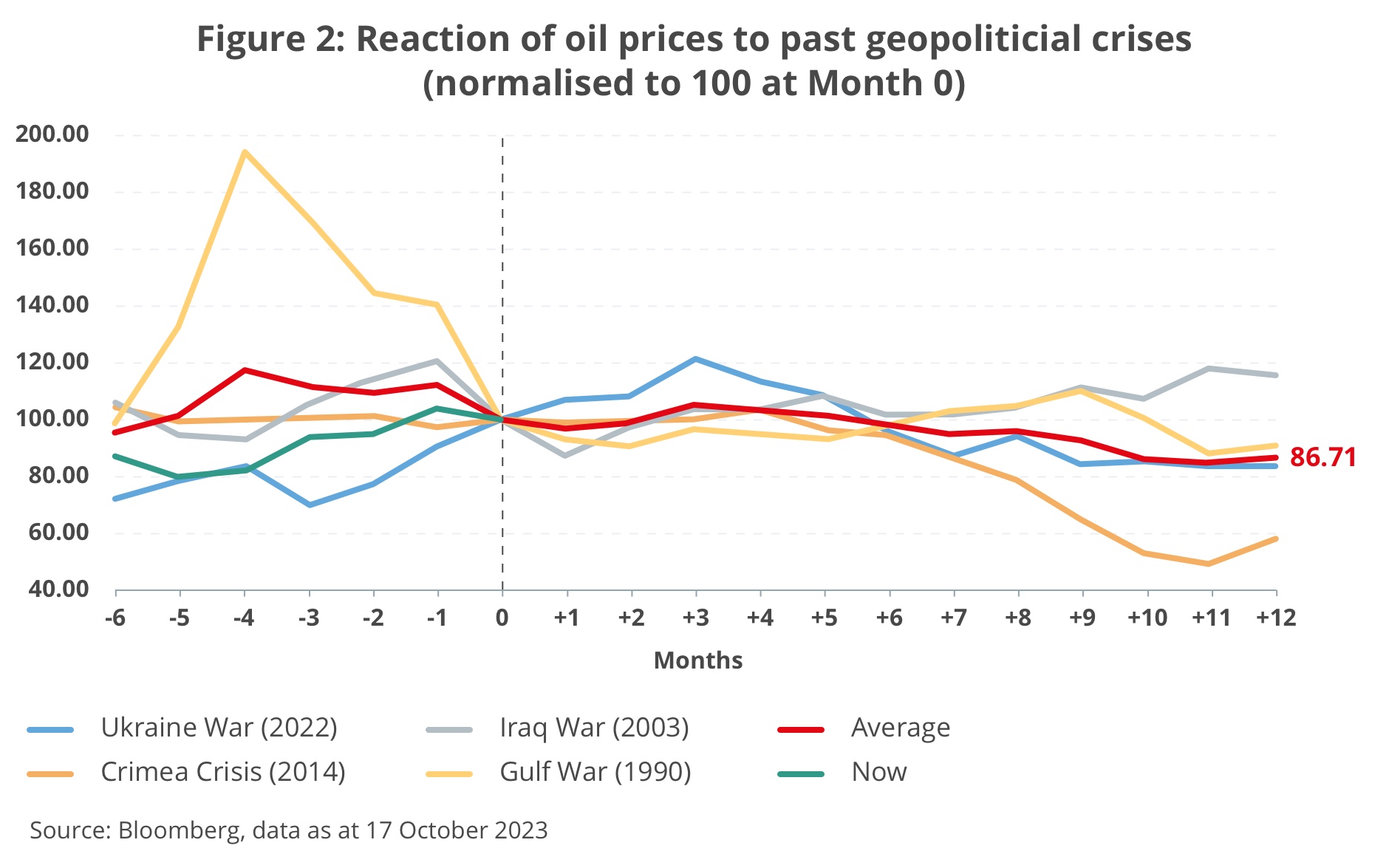
Beyond the ticker symbols of Silicon Valley, the global geopolitical landscape remains a significant variable for Wall Street. The ongoing conflict in Ukraine and heightened tensions in the Middle East have historically introduced “risk-off” sentiment into the markets, yet the U.S. Economy has shown a surprising degree of insulation. This is partly due to the United States’ status as a net energy exporter and the continued strength of the dollar as a global reserve currency, as noted in recent International Monetary Fund (IMF) reports on global financial stability.
Trade policy remains a critical focal point. With the upcoming U.S. Election cycle, market participants are bracing for potential shifts in tariff structures and international trade agreements. Uncertainty regarding future regulatory frameworks often leads to increased hedging activity, which can manifest as spikes in the VIX—often referred to as the “fear gauge.” Investors should note that while markets have historically absorbed election-year volatility, the current global interconnectedness means that policy decisions in Washington have immediate repercussions for supply chains in Asia and Europe alike.
Key Takeaways for Global Investors
- Market Breadth: Monitor the performance of the S&P 500 equal-weighted index to gauge whether gains are expanding beyond the top-tier tech giants.
- Interest Rate Environment: Keep a close watch on Federal Reserve communications; as of September 2024, the central bank’s pivot toward easing has been a primary driver of market sentiment, according to the Federal Reserve’s September 18, 2024 statement.
- Geopolitical Hedging: Consider the role of non-correlated assets, such as commodities or defensive sectors, which may provide stability during periods of heightened international tension.
- Regulatory Oversight: Stay informed on shifting standards for AI ethics and data privacy, as these will likely dictate the long-term viability of current tech-driven business models.
What Happens Next?
The next major checkpoint for the markets will be the release of the upcoming Bureau of Labor Statistics employment situation summary, which serves as a bellwether for the health of the U.S. Economy. Investors are awaiting the next Federal Open Market Committee (FOMC) meeting, where policymakers will provide updated projections on interest rates and inflation targets. These data points will be instrumental in determining whether Wall Street can maintain its current momentum through the end of the year.
As we navigate these shifting currents, maintaining a long-term perspective is more vital than ever. The intersection of technological revolution and geopolitical realignment is not a short-term trend, but a structural shift in the global economy. I encourage our readers to share their thoughts on these market dynamics in the comments section below and stay tuned to our business desk for ongoing coverage of the fiscal policies shaping our future.