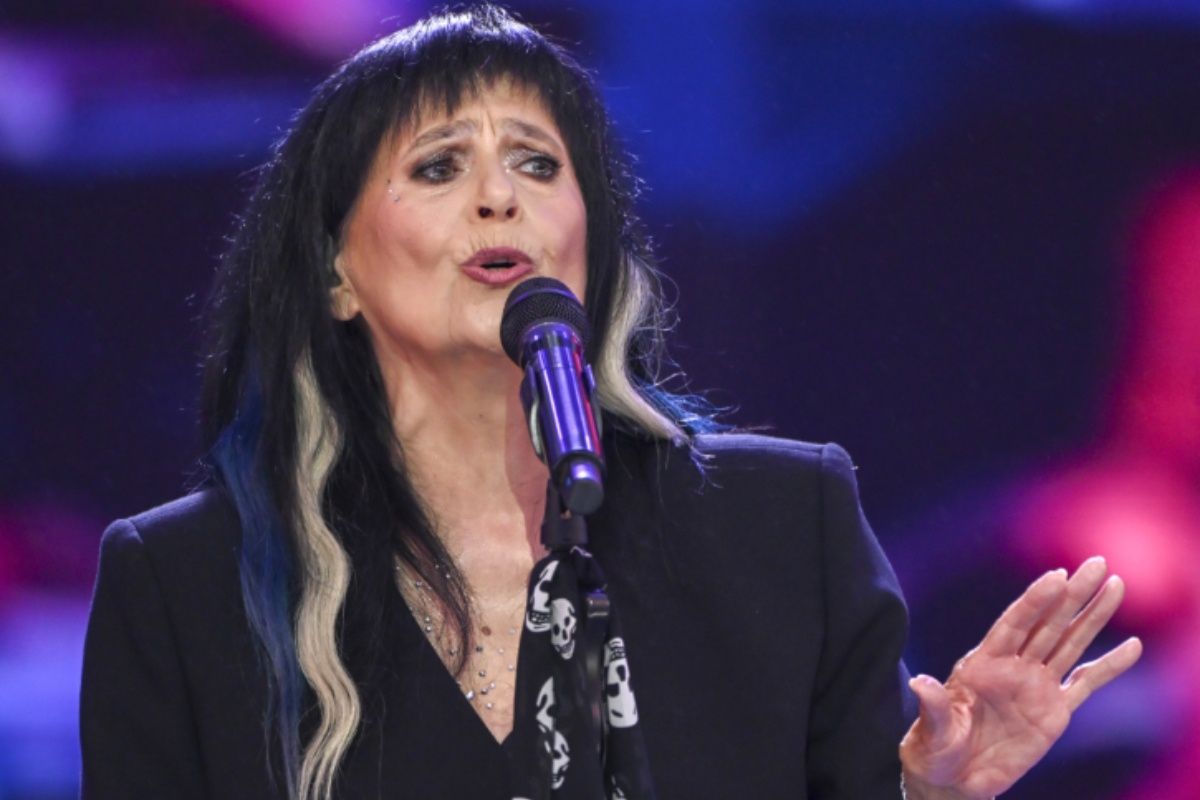
Wanda Kwietniewska, a Polish actress and singer, has disclosed that she faced immoral proposals during her career, claiming that her refusal to comply with these demands resulted in significant professional losses. In recent interviews, Kwietniewska stated that she sacrificed career opportunities and financial gain by rejecting these advances, highlighting the pressures faced by women in the entertainment industry.
The actress, known for her roles in various Polish television series and theater productions, described these encounters as a recurring theme in her early professional life. According to Kwietniewska, the proposals were linked to the promise of more prominent roles or faster career advancement, creating a dynamic where professional success was conditioned on personal compromises.
Kwietniewska’s accounts emphasize a pattern of “casting couch” dynamics, where power imbalances between producers or directors and performers are exploited. She noted that while she maintained her integrity, the cost was a lack of the trajectory that some of her peers, who may have accepted such terms, achieved more rapidly.
The Cost of Professional Integrity in Polish Media
Kwietniewska detailed that the loss she experienced was not merely financial but related to the visibility and scale of the projects she was offered. She described the frustration of seeing roles go to others while she remained sidelined, despite her training and talent. According to the actress, the industry often rewards those willing to bypass ethical boundaries, leaving those who refuse to do so in a state of professional stagnation.
This testimony aligns with broader discussions regarding the “Me Too” movement and the systemic nature of harassment in the arts. By speaking out, Kwietniewska points to a culture where immoral demands are treated as an unspoken requirement for entry into the upper echelons of fame. She asserted that the psychological toll of these experiences is often as significant as the loss of work.
The actress clarified that her decision to share these experiences now serves as a warning and a form of validation for other performers who may have faced similar situations. She emphasized that no amount of professional gain justifies the loss of dignity or the acceptance of immoral conditions.
Impact on Career Trajectory and Mental Health
During her reflections on her career, Kwietniewska noted that the pressure to conform to these illicit expectations often leads to a sense of isolation. She described the internal conflict of wanting to succeed in a competitive field while refusing to engage in behavior that contradicts her personal values. This conflict, she stated, often leads to a perception of “failure” that is actually a result of ethical steadfastness.

The actress highlighted that the entertainment industry frequently operates on networks of influence where a single rejection of a powerful figure can lead to being “blacklisted” or simply ignored by other producers. While she did not name specific individuals, her description of the systemic pressure suggests a widespread issue within the production circles she navigated.
Kwietniewska’s experience underscores the precarious nature of freelance acting and singing, where the lack of formal employment contracts for every interaction leaves performers vulnerable to the whims of those in power. She argued that the absence of strong institutional protections in the arts allows such immoral proposals to persist without consequence for the perpetrators.
Industry Standards and the Path Forward
The revelations made by Kwietniewska contribute to a growing body of testimony from Polish artists seeking to change the culture of the domestic film and television industry. The call for transparent casting processes and the presence of third-party witnesses during auditions has become a central demand for those advocating for a safer professional environment.
Experts in labor rights and gender studies in Poland have frequently pointed out that the “star system” often shields abusers because their commercial value to a studio outweighs the perceived risk of a harassment claim. Kwietniewska’s public admission brings attention to the long-term professional “penalty” paid by victims who choose to maintain their boundaries.

As the industry evolves, there is an increasing push for the implementation of “Intimacy Coordinators” and strict ethical codes of conduct on sets to prevent the types of proposals Kwietniewska described. These measures aim to decouple professional advancement from personal favors, ensuring that merit and talent remain the primary criteria for casting.
Wanda Kwietniewska continues to engage with her audience through her artistic work, using her platform to advocate for fairness and respect in the workplace. Her story remains a focal point for discussions on the intersection of morality, power, and professional ambition in the arts.
Further updates regarding industry-wide reforms in Polish casting standards are expected as professional guilds continue to negotiate safer workplace guidelines. Readers are encouraged to share their perspectives on professional ethics in the comments below.