
Japanese football fans have faced unexpected public criticism following their tradition of cleaning stadium seating areas after matches, with some observers questioning the consistency of these behaviors in private life. While the practice of supporters collecting trash after international fixtures has been widely lauded as a display of civic responsibility, recent discourse has highlighted a growing divide regarding whether these public actions reflect broader domestic habits or are specifically performative in nature.
According to reports from various international media outlets, the debate gained traction after supporters were observed cleaning venues during major tournaments, including recent matches held in the United States. While the act is frequently praised by tournament organizers and global observers as a positive model of fan culture, some segments of the public have expressed skepticism, suggesting that the focus on stadium cleanliness should be mirrored by similar diligence within the home environment. This critique has emerged across social media platforms and regional commentary, sparking a wider conversation about the intersection of public etiquette and private domestic responsibilities.
The Origins of the Stadium Cleaning Tradition
The practice of Japanese fans cleaning stadiums is not a new phenomenon; it has been a consistent feature of the national team’s presence at international tournaments for over a decade. According to FIFA official records regarding the 2022 World Cup, the behavior is deeply rooted in Japanese cultural values, where cleaning is often viewed as a communal responsibility rather than a chore for hired staff. This “clean-as-you-go” approach is taught in many Japanese schools, where students are responsible for the maintenance of their classrooms and common areas.
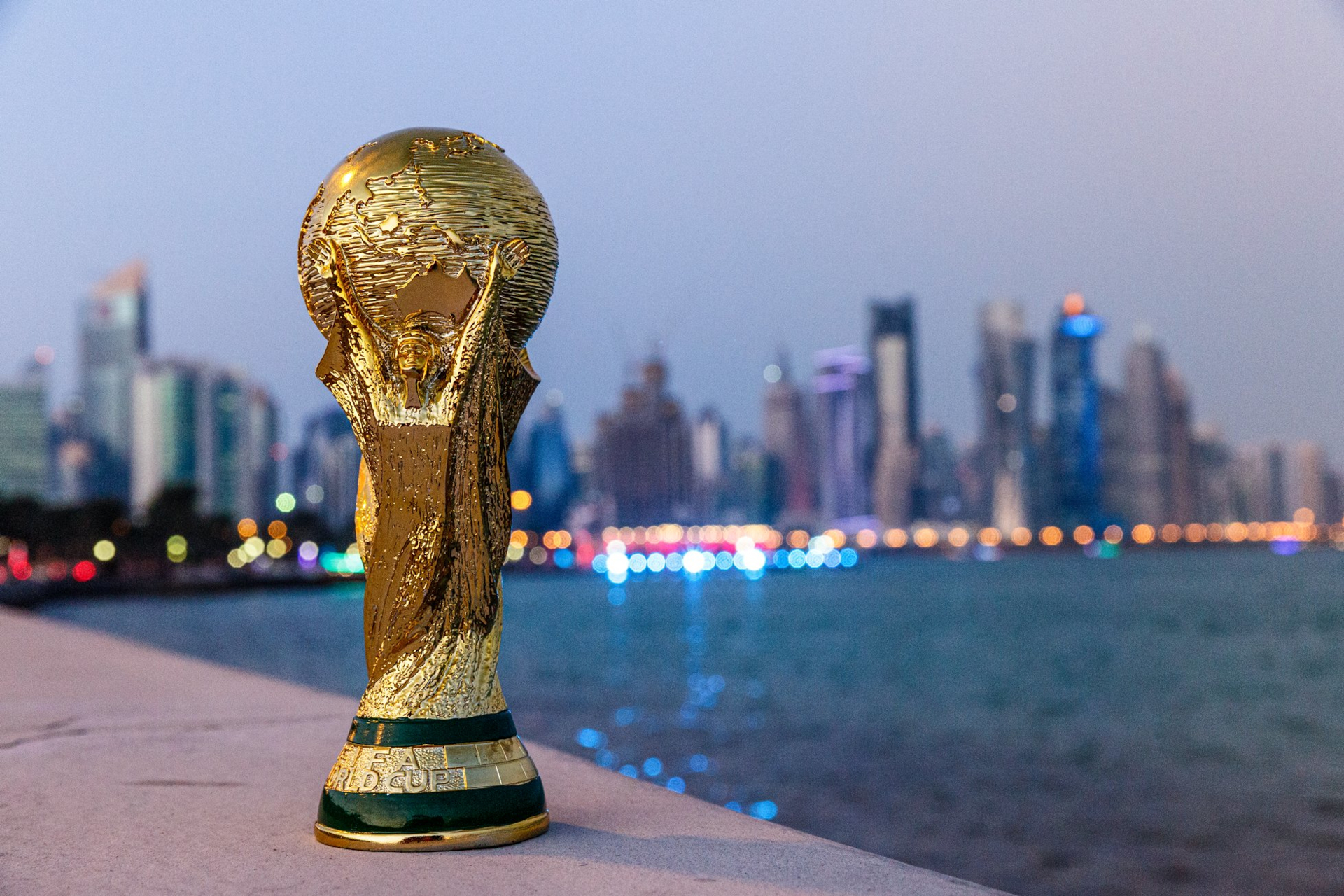
During the 2022 FIFA World Cup in Qatar, the sight of Japanese fans gathering trash after matches became a global viral sensation. Supporters were frequently seen carrying large plastic bags, methodically clearing rows of seats long after the final whistle. This behavior was widely celebrated by international observers as a hallmark of discipline and respect for the host nation. However, the intensity of this praise has, in some instances, led to a defensive reaction from those who argue that the focus on these actions is disproportionate or misinterpreted.
Public Criticism and the “Domestic” Debate
The recent backlash, particularly expressed by some domestic voices, centers on the perception that the stadium cleaning is a form of “virtue signaling.” Critics have suggested that the energy expended on these public displays of cleanliness could be better directed toward addressing internal household dynamics. As noted by various cultural commentators, there is a segment of the population that feels the global spotlight on this tradition unfairly ignores the complexities of gender roles and domestic labor within Japan.
The discourse often shifts toward the expectation of domestic labor, with some critics suggesting that the enthusiasm for cleaning public spaces is not always reflected in the home. This argument posits that while the international image of the “clean Japanese fan” is a point of national pride, it may mask ongoing domestic challenges regarding the equitable distribution of household chores. According to data from the OECD regarding time spent on unpaid work, there remains a significant gap in the amount of time men and women spend on domestic responsibilities in Japan, a topic that frequently surfaces when public virtues are contrasted with private realities.
Cultural Context and Global Perception
Understanding why this debate matters requires looking at how Japan manages its international image. When fans clean a stadium, they are not merely picking up litter; they are engaging in a form of soft power. According to a BBC report on the phenomenon, this behavior is a point of pride for many Japanese citizens who view it as an extension of “omotenashi,” or Japanese hospitality. The act is meant to show gratitude to the host country and the stadium staff.
However, the skepticism arises when this behavior is exported. For those who view the act as performative, the praise from foreign media feels patronizing or based on a stereotype of the “perfect” Japanese citizen. The internal critique from within Japan serves as a reminder that these fans are not a monolith. The individuals cleaning the stadiums are often younger, more globally-minded supporters, while the criticism often reflects older, more traditional viewpoints on domestic life and public behavior.
What Happens Next?
As international football tournaments continue to expand, the visibility of fan culture will only increase. The tradition of cleaning stadiums is likely to persist, as it has become an intrinsic part of the identity of the Japanese national team’s traveling support. Whether this debate will lead to a broader societal shift regarding domestic labor remains to be seen. The next major test for this discourse will likely occur during the upcoming 2026 FIFA World Cup, where the spotlight on fan behavior will again be intense.

For now, the tension remains a clear example of how a singular act of kindness can be interpreted through vastly different lenses. While the world sees a group of people leaving a space better than they found it, the domestic conversation is focused on the deeper, often difficult, questions of what constitutes true civic duty. Readers interested in the evolution of this story should monitor upcoming official statements from tournament organizers regarding spectator conduct guidelines, which are typically updated in the months preceding major events.
What are your thoughts on the balance between public etiquette and domestic responsibility? Share your views in the comments section below.
Related reading