
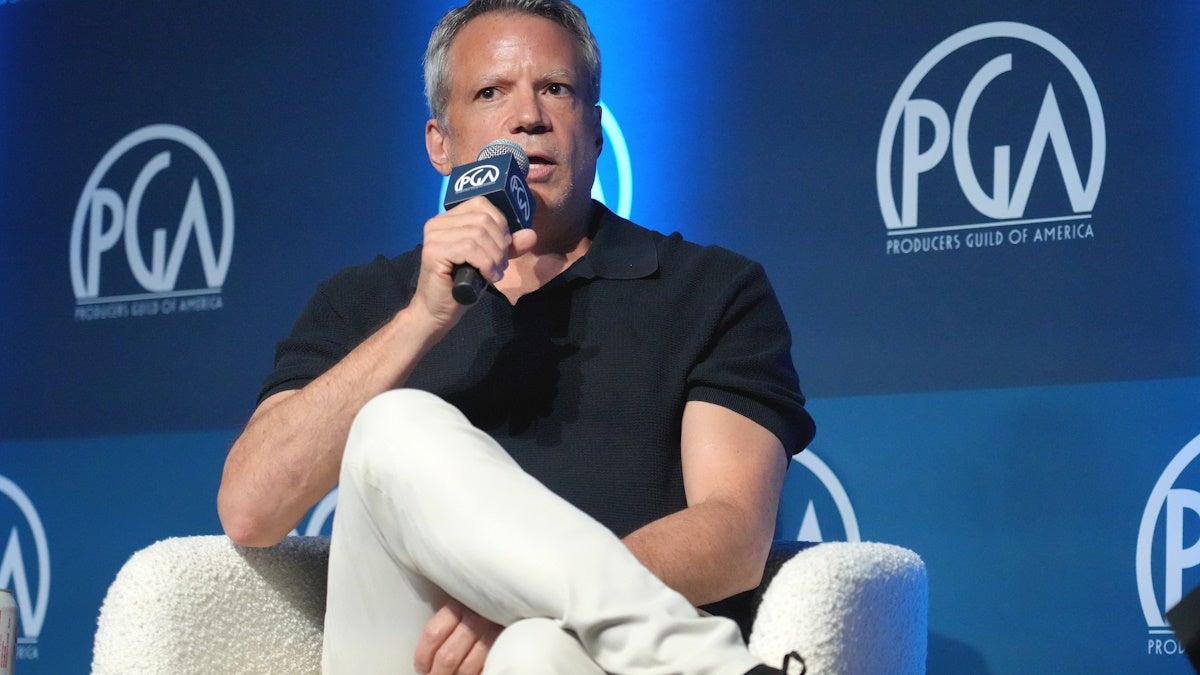
The traditional pillars of Hollywood are undergoing a significant transformation, with digital-native creators increasingly bypassing the conventional film school pipeline to reach global audiences. Warner Bros. Pictures Chief Mike De Luca recently offered a compelling perspective on this shift, highlighting how the rise of independent, internet-bred filmmakers is fundamentally changing the landscape of modern cinema. Speaking at the Produced By Conference, De Luca noted that the current success of breakout projects is rooted in a direct, long-term dialogue between directors and their communities.
For industry observers, the rise of digital-first talent—often referred to as YouTube filmmakers—represents a democratization of the creative process. By leveraging accessible technology and building audiences on platforms like YouTube, TikTok, and Instagram, these creators are effectively proving their concepts and honing their craft before they ever step onto a traditional studio lot. De Luca’s observations suggest that this evolution is not merely a trend, but a structural change in how the entertainment industry identifies and nurtures rising talent.
The Evolution of the Auteur: A Modern 1970s Parallel
The comparison between today’s digital-native creators and the iconic auteur movement of the 1970s provides a crucial framework for understanding this shift. Jason Blum, the founder of Blumhouse Productions, echoed this sentiment during the same industry event, observing that the role of the writer-director is reclaiming its status as the central creative force in film. This return to an “auteur-centric” model, albeit one powered by digital connectivity, marks a departure from the high-concept, producer-driven blockbusters that defined the previous two decades.

De Luca emphasized that the gatekeeping mechanisms that once restricted entry into the professional filmmaking world have significantly loosened. “It was really expensive for a young writer-director to make a short film or make an actual full-length independent movie,” De Luca stated during the conference. “Now the tools of filmmaking have become cheaper. You can get something on YouTube seen by a producer, and you don’t have to go to film school.”
Direct Audience Engagement as a Creative Catalyst
One of the most profound advantages identified by studio leadership is the immediate feedback loop inherent in digital content creation. Unlike the traditional studio model, where a film might spend years in development before reaching a test audience, creators who grow their work online are in a constant state of iteration. De Luca pointed to specific examples of creators who have spent years cultivating their projects, noting that their subscribers often provide direct, real-time input that shapes the evolution of their storytelling.
This “dialogue with the audience” acts as a form of market validation that traditional studios are increasingly eager to tap into. By observing which concepts resonate with digital communities, producers are able to identify high-potential talent before they are even signed to an agency. This process of discovery has become a vital component of modern talent acquisition, as seen in the proactive efforts of producers like James Harris, who has been credited with identifying emerging voices by monitoring high-performing short-form content online.
Breaking Down Barriers to Entry
The democratization of film equipment—coupled with the global reach of social media platforms—has effectively lowered the barrier to entry for aspiring directors. The traditional “dance” of securing representation, getting into prestigious film programs, and navigating the internal politics of major studios is no longer the only path to a career in Hollywood. For the current generation of filmmakers, the “portfolio” is a live, interactive, and publicly accessible stream of content.
This shift has significant implications for how studios approach risk. While traditional films often require massive capital investment based on speculative interest, projects originating from digital creators often come with a pre-existing, engaged fanbase. This reduces the risk profile for studios, allowing them to greenlight projects that have already proven their ability to capture public imagination. As De Luca noted, this opportunity is available to all producers who are willing to look beyond the traditional talent pipeline.
Key Takeaways on the Digital Shift in Filmmaking
- Audience Validation: Filmmakers who hone their craft online benefit from direct, iterative feedback from their subscriber base, which serves as a proof-of-concept for studio executives.
- Lowered Barriers: The decreased cost of professional-grade production tools allows creators to produce high-quality work independently, bypassing the need for traditional film school credentials.
- Auteur Renaissance: Industry leaders like Jason Blum suggest that we are entering a new era where the writer-director is once again the primary driver of creative vision, reminiscent of the 1970s auteur movement.
- Proactive Scouting: Modern producers are increasingly utilizing platforms like YouTube, TikTok, and Instagram to scout talent, shifting the power dynamic in favor of creators with proven digital footprints.
What This Means for the Future of Cinema
As the industry continues to integrate these digital-native filmmakers, we can expect to see a more diverse array of voices and storytelling styles hitting the big screen. The traditional studio system is not disappearing, but We see adapting to a more fluid, decentralized model of talent development. For aspiring filmmakers, the message from studio heads is clear: the most critical credential is no longer a degree, but a consistent, engaged, and authentic body of work.

The industry remains in a state of rapid flux, with the Produced By Conference serving as a barometer for these shifting priorities. As studios continue to monitor the success of hybrid models—where digital-native concepts are elevated to theatrical releases—the focus will likely remain on creators who can balance high-level technical skill with the ability to maintain a deep, ongoing conversation with their audience. For those looking to enter the industry, the path forward is increasingly defined by accessibility, digital literacy, and the courage to build a community from the ground up.
The integration of internet-based creators into the major studio fold is an ongoing process. As we look toward the next cycle of film festival announcements and studio slates, it will be essential to track how many of these “online-bred” projects move from viral clips to feature-length box office successes. The industry’s next major shift may well be defined by how effectively it continues to bridge the gap between the digital frontier and the traditional cinema experience.
What are your thoughts on the impact of digital creators on Hollywood? Join the conversation in the comments below and share this article with your network as we continue to cover the evolving landscape of the entertainment industry.