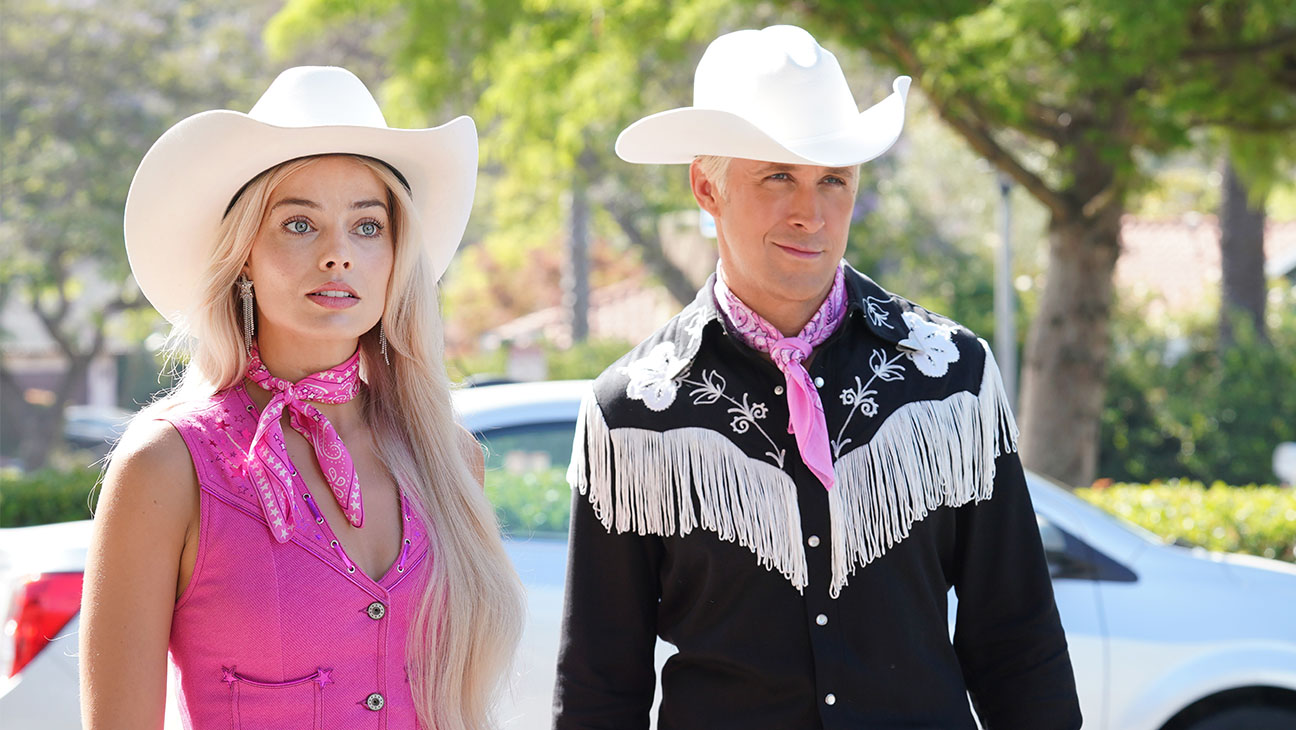
The first film grossed $1.5 billion globally, but negotiations are stalled over pay and creative control.
The first film, released in July 2023, became a cultural phenomenon, grossing $1.5 billion worldwide and earning eight Oscar nominations, including a win for best original song. However, the studio’s attempts to lock in the original cast and crew have hit roadblocks, with Gerwig and Baumbach reportedly withholding their sequel script until negotiations conclude.
Creative Control and Financial Disputes
Gerwig and her writing partner Noah Baumbach have an idea for a sequel but refuse to share it with Warner Bros. until deals are finalized, according to the New York Times. They are keeping the idea to themselves and not letting Warner Bros. in on the story, refusing to begin putting pen to paper until a deal is done,
the report stated. The studio has offered Robbie and Gosling profit-sharing arrangements tied to box office milestones, but Warner Bros. CEO David Zaslav reportedly deemed the terms “too generous,” according to the Hollywood Reporter.
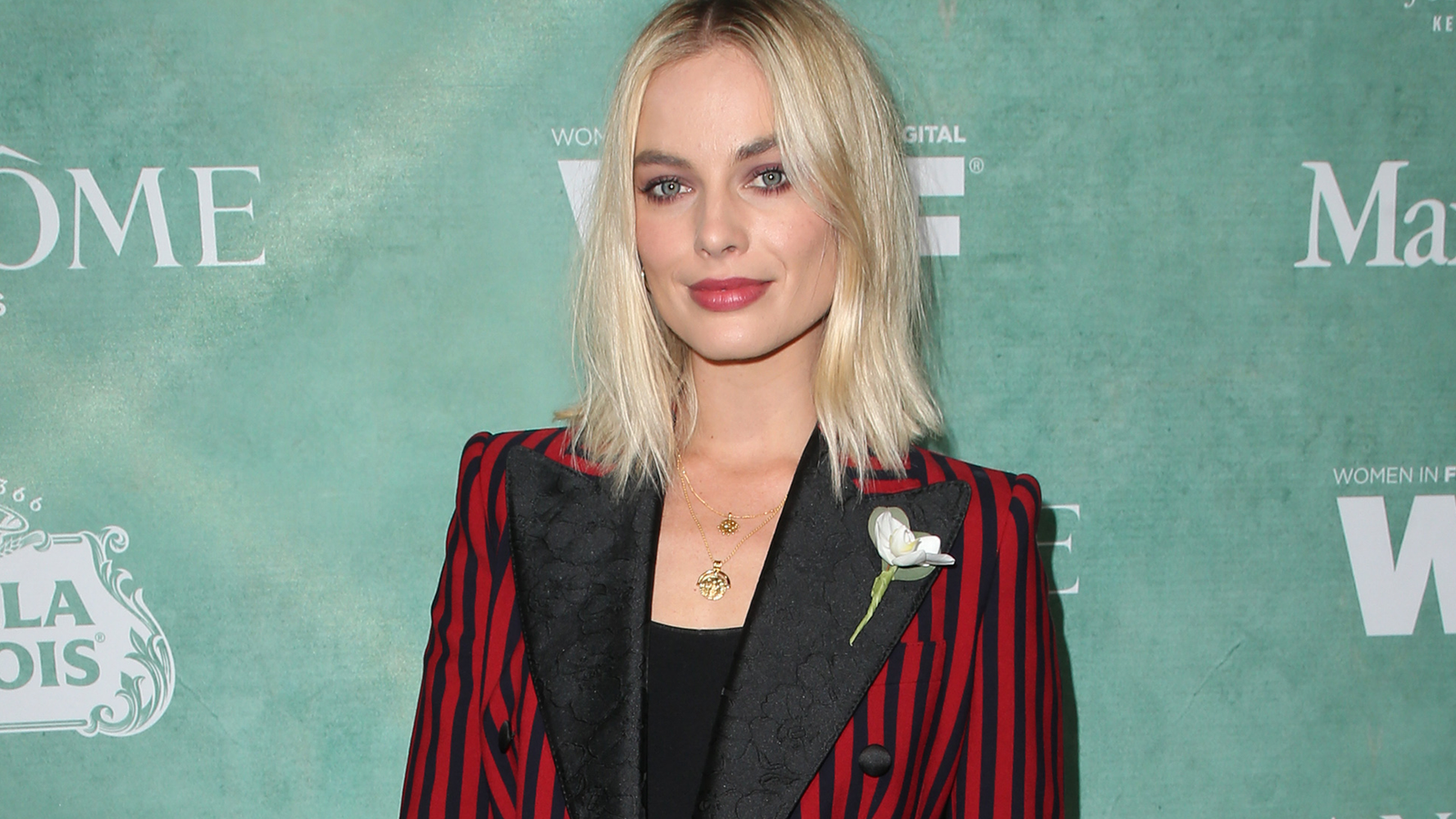
Gosling’s representatives reportedly sought $20 million for his return, including a percentage of box office profits, but Warner Bros. has not yet matched the offer, sources said. The studio has also struggled to secure Gerwig’s involvement, as the director has long resisted sequel pressure. We have a rights deal with Mattel in place and have made a series of big offers to try and finalize deals to make the next Barbie film,
Warner Bros. co-chairs Pam Abdy and Michael De Luca said in a statement, though they acknowledged negotiations remain unresolved.
Mattel’s Stakes and Reboot Risks
If Warner Bros. fails to reach agreements by December, Mattel will reclaim the “Barbie” IP, forcing the studio to either reboot the franchise from scratch or lose the rights entirely. The first film’s success—bolstered by its $1.45 billion global haul and cultural impact—has made a sequel a high-stakes proposition. However, sources warn that a reboot without Gerwig, Robbie, or Gosling could dilute the franchise’s appeal. A sequel without Gerwig’s voice would be a different conversation entirely,
Hollywood Outbreak noted, highlighting the creative risks of a forced reboot.
Deadline Pressures and Industry Implications
The December deadline creates urgency for Warner Bros., which has already invested heavily in the “Barbie” brand. The film’s success made it one of the studio’s most significant theatrical wins, but the sequel’s fate now hinges on negotiations. If no deal is reached, Mattel could explore alternative partnerships, though the studio’s relationship with the toy company remains critical. We’re not going to let Paramount Skydance play hide the ball so they can rush through their massive merger,
Oregon Attorney General Dan Rayfield said in a separate development, though that case involves a different deal.
The situation also highlights broader industry tensions over creative control and compensation.
As the clock ticks, the outcome could set a precedent for future franchise development. Warner Bros. has until December to navigate the delicate balance between financial demands, creative vision, and the risk of losing a franchise that redefined modern cinematic storytelling.
Keep reading