
Common Cleaning Chemical Linked to Tripled Risk of Liver Fibrosis, New Study Finds
A common chemical used in everything from dry cleaning to household stain removers has been linked to a significant increase in the risk of advanced liver damage, according to new research. The study suggests that exposure to tetrachloroethylene (PCE) may triple the likelihood of developing significant liver fibrosis, a serious condition characterized by the buildup of scar tissue in the liver.
The findings, published in the medical journal Liver International, represent a significant shift in how health experts view the origins of liver disease. While heavy alcohol consumption, obesity-related fat buildup, and viral infections like hepatitis B and C have long been identified as the primary drivers of liver damage, this research points toward a pervasive environmental factor that may be affecting large segments of the population.
The research, led by the Keck School of Medicine of the University of Southern California, highlights a growing concern regarding the presence of industrial solvents in everyday consumer products. As global health authorities continue to monitor the long-term effects of environmental toxins, this study underscores the potentially invisible risks present in the modern home and workplace.
The Hidden Presence of Tetrachloroethylene
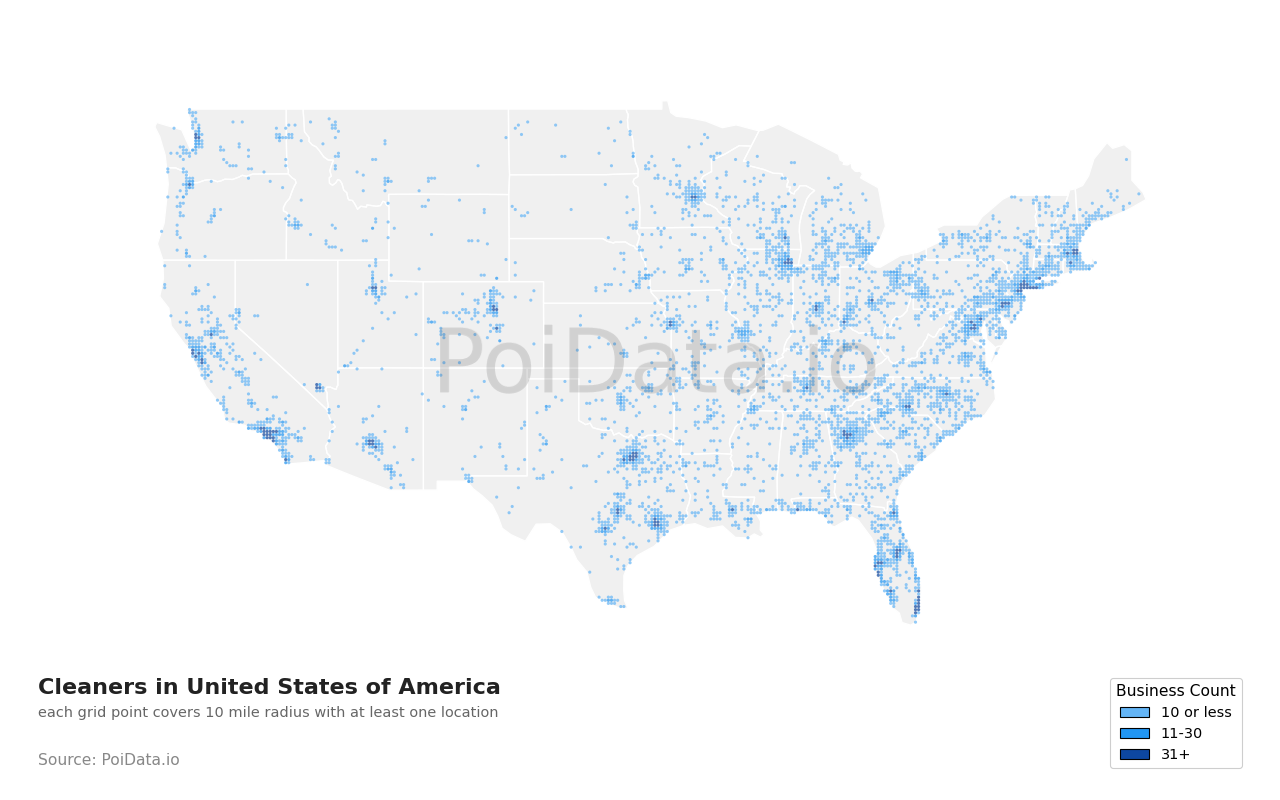
Tetrachloroethylene, often referred to as perchloroethylene or PCE, is a colorless liquid that has been used widely in industrial and domestic settings for decades. While it is most famously recognized as a solvent in the dry cleaning industry, its applications are far more widespread than many consumers realize.
According to the research findings, PCE is a common ingredient in several household goods, including:
- Craft adhesives and glues
- Stain removers and spot cleaners
- Stainless steel polishes
- Various industrial degreasers
The ability of this chemical to persist in consumer products means that exposure is not limited to professional cleaners or industrial workers. Instead, it represents a broader public health challenge, as the chemical can be inhaled or absorbed through contact during routine household maintenance and DIY projects.
Analyzing the Data: The NHANES Study
To reach these conclusions, the research team analyzed data from the National Health and Nutrition Examination Survey (NHANES), a robust and nationally representative survey of the United States population. This allowed the researchers to examine a diverse cross-section of the public to understand how PCE levels correlate with actual health outcomes.
The study focused on a cohort of 1,614 adults, aged 20 and older, with data collected between 2017 and 2020. The researchers measured PCE levels in blood samples and found that approximately 7% of the sampled population had detectable levels of the chemical in their systems. Most notably, the team identified a clear dose-response relationship: as the concentration of PCE in the blood increased, so did the likelihood of developing significant liver fibrosis.
The disparity in health outcomes was stark. Individuals with detectable PCE in their blood were found to be three times more likely to exhibit signs of significant liver fibrosis compared to those with no detectable exposure. This statistical link provides a compelling argument for the role that environmental chemicals play in chronic disease progression.
Understanding Liver Fibrosis and Its Risks
Liver fibrosis is not merely a localized issue; it is a progressive medical condition. It occurs when the liver is repeatedly injured, causing inflammation and the subsequent buildup of scar tissue. As this scar tissue accumulates, it replaces healthy liver tissue, making it increasingly difficult for the organ to perform vital functions such as filtering toxins, processing nutrients, and aiding digestion.

If left unmanaged, liver fibrosis can escalate into even more life-threatening conditions, including:
- Liver Cirrhosis: Extensive scarring that permanently impairs liver function.
- Liver Failure: The inability of the liver to sustain life-supporting processes.
- Liver Cancer: Increased risk of malignant growths within the hepatic tissue.
- Death: The ultimate consequence of advanced, untreated liver disease.
“This study, the first to examine the association between PCE levels in humans and significant liver fibrosis, underscores the underreported role environmental factors may play in liver health,” said Brian P. Lee, MD, MAS, a hepatologist and liver transplant specialist with Keck Medicine and the study’s lead author. Dr. Lee noted that these findings may explain why individuals with similar health profiles and demographics experience vastly different liver outcomes.
A Shift in the Understanding of Liver Disease
For years, clinical focus has remained heavily weighted toward lifestyle-driven causes of liver disease. The “traditional” triad of alcohol use, metabolic issues (such as diabetes and obesity), and viral hepatitis has dominated public health messaging and clinical treatment protocols.

However, the Keck School of Medicine research suggests that the medical community must broaden its scope to include environmental toxicology. The presence of PCE in the bloodstream of a significant portion of the population suggests that many cases of liver damage may be occurring due to factors entirely outside an individual’s direct lifestyle choices. This realization has significant implications for how liver disease is screened, diagnosed, and prevented on a global scale.
Key Takeaways
- Tripled Risk: Exposure to the chemical tetrachloroethylene (PCE) is associated with a threefold increase in the risk of significant liver fibrosis.
- Common Sources: PCE is frequently found in dry cleaning, adhesives, stain removers, and stainless steel polishes.
- Dose-Response Link: Higher levels of PCE exposure in the blood correlate with a higher likelihood of severe liver damage.
- Environmental Impact: The study highlights that environmental toxins may be a major, yet underreported, cause of liver disease alongside alcohol and hepatitis.
As researchers continue to investigate the long-term implications of chemical exposure, the focus will likely shift toward regulatory oversight and the potential for stricter mandates regarding the disclosure of chemicals in consumer products. For now, health experts recommend that consumers remain vigilant about the products they use in their homes and professional environments.
We will continue to monitor updates from health regulatory agencies and follow-up studies regarding the safety of common household solvents. Please share this report with your network to help raise awareness about these environmental health risks, and leave your thoughts in the comments below.
Related reading