
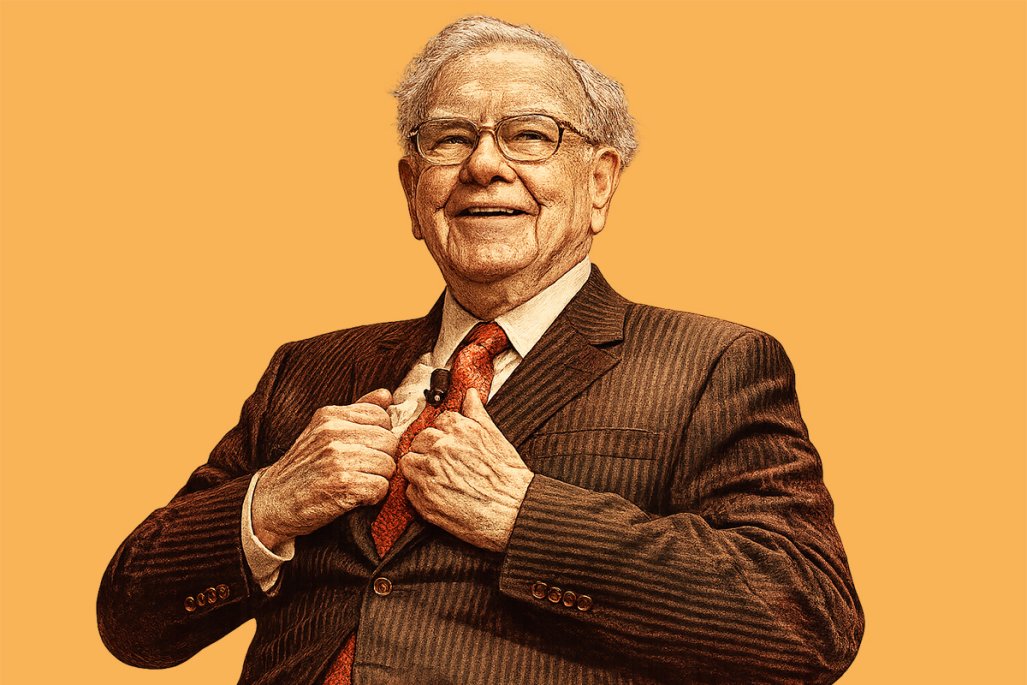
For decades, the global investment community has looked to Omaha, Nebraska, not just for financial guidance, but for a barometer of market sanity. When Warren Buffett speaks, the world listens; however, in the current economic climate, it is what he is doing—rather than what he is saying—that is sending the most urgent signal to investors.
The “Oracle of Omaha” has long championed the art of value investing, the practice of buying assets for less than their intrinsic value. Yet, as equity markets reach historic highs, Berkshire Hathaway’s recent maneuvers suggest a growing discomfort with current valuations. By aggressively building a record-breaking cash reserve and trimming cornerstone positions, Buffett is issuing a silent but powerful warning about systemic market risk.
At the heart of this caution is the “Buffett Indicator,” a widely watched metric that compares the total market capitalization of a country’s public stocks to its Gross Domestic Product (GDP). When this ratio climbs significantly above historical averages, it suggests that stocks are overvalued relative to the actual economic output of the country, often serving as a precursor to a market correction.
For investors navigating today’s volatility, understanding this shift in posture is critical. It is not merely about one man’s portfolio, but about a fundamental disagreement between the current market price and the underlying economic reality.
Decoding the Buffett Indicator and Market Overvaluation
The Buffett Indicator is designed as a macro-level health check for the economy. Whereas not a precise timing tool for predicting a crash, it provides a broad sense of whether the market is in a “bubble” phase. Essentially, if the stock market grows exponentially faster than the economy that supports it, a gap opens between price and value.
In recent periods, this indicator has spiked well above the levels that historical data suggests are sustainable. When the total market cap of the S&P 500 and other major indices dwarfs the GDP, the risk of a sharp downward adjustment increases. This disparity often occurs during periods of extreme optimism or when low interest rates drive investors toward riskier assets in search of yield.
Buffett’s philosophy has always been to “be fearful when others are greedy.” By maintaining a high level of liquidity when the indicator is flashing red, he ensures that Berkshire Hathaway is positioned to act when a correction eventually occurs, allowing the firm to acquire high-quality companies at distressed prices.
The Strategy of Liquid Assets: A Record Cash Pile
The most concrete evidence of Buffett’s concern is the staggering amount of cash currently held by Berkshire Hathaway. The conglomerate has amassed a cash hoard that has reached unprecedented levels, exceeding hundreds of billions of dollars in treasury bills and cash equivalents according to recent regulatory filings.

This accumulation is not a sign of indecision, but a strategic defensive posture. For a value investor, cash is not a wasted asset; it is a “call option” on every single asset class in the world. By sitting on a mountain of liquidity, Buffett is effectively waiting for a “fat pitch”—a market opportunity where the price of an asset is significantly lower than its long-term value.
This accumulation has been paired with a surprising willingness to sell. Most notably, Berkshire has significantly reduced its exposure to some of its most prized holdings. The reduction in its massive stake in Apple, one of the company’s largest investments, signals that even the most dominant companies in the world can reach a price point where the risk-to-reward ratio is no longer favorable.
Succession and the Future of the Berkshire Philosophy
As Buffett reaches his mid-90s, the conversation around market risk is inextricably linked to the future leadership of Berkshire Hathaway. The company has long established a clear succession plan, with Greg Abel, the Vice Chairman of non-insurance operations, designated to grab the helm as CEO.
The transition to Abel represents more than just a change in personnel; it is a test of whether the disciplined, value-oriented approach can survive the founder’s tenure. Abel has already been managing a vast portion of Berkshire’s operational businesses, and his ability to deploy the company’s massive cash reserves will be the primary metric by which the market judges his success.
The continuity of this strategy is vital for the stability of the conglomerate. The market knows that Berkshire does not panic-sell, nor does it chase trends. Whether under Buffett or Abel, the company’s commitment to avoiding “overpriced” assets remains the cornerstone of its identity, providing a stabilizing influence in an often irrational market.
Key Takeaways for Global Investors
- Watch the Valuations: When the ratio of market cap to GDP (the Buffett Indicator) reaches extremes, the probability of a correction increases.
- Liquidity is a Tool: Maintaining cash during bull markets is a strategic move that allows investors to buy assets during crashes.
- Avoid Herd Mentality: The trend of selling high-performing assets (like Apple) suggests that profit-taking is prudent when valuations disconnect from fundamentals.
- Focus on Intrinsic Value: Long-term success in investing comes from focusing on the actual earning power of a business rather than its daily stock price.
What Happens Next?
The investment world now looks toward the next major milestone: the Berkshire Hathaway Annual Shareholders Meeting. This event traditionally serves as the primary venue where Buffett provides deeper insight into his views on the economy and justifies the company’s current holdings and cash positions.

Investors should monitor the upcoming quarterly 13F filings with the U.S. Securities and Exchange Commission (SEC) to see if the trend of selling major equities continues or if Buffett finally finds the “fat pitch” he has been waiting for. Until then, the message remains clear: exercise caution, prioritize value, and keep your powder dry.
Do you believe the current market is overvalued, or is the “Buffett Indicator” outdated in the age of digital monopolies? Share your thoughts in the comments below.