
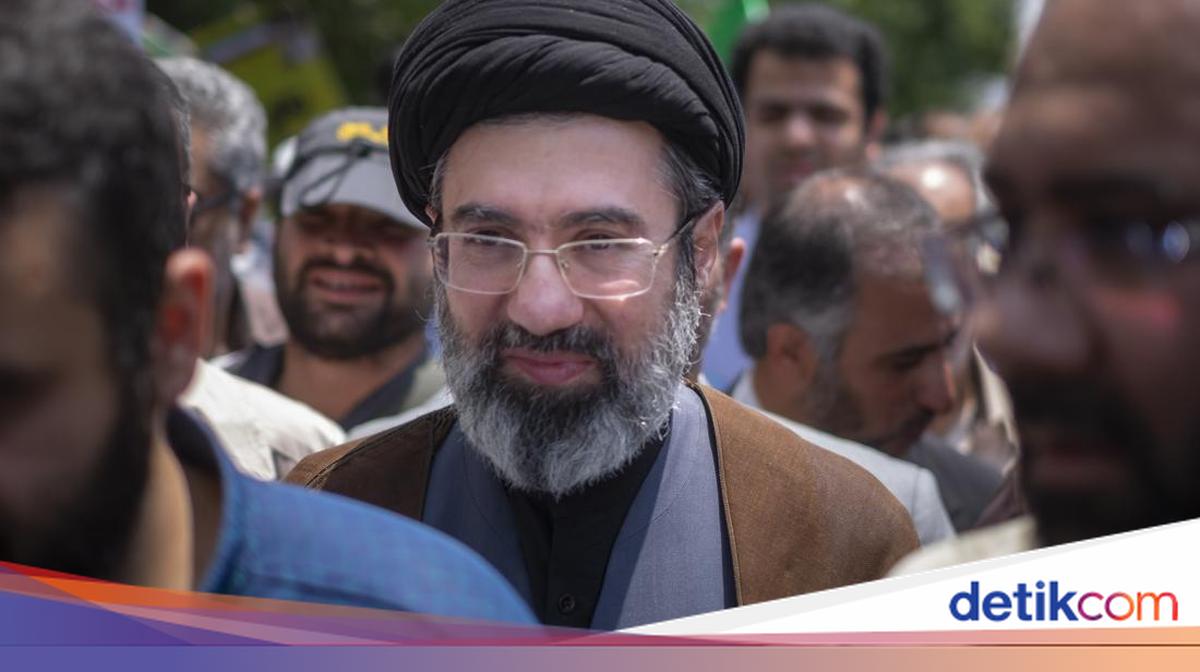
The security landscape in Tehran remains highly volatile following the death of Ayatollah Ali Khamenei, with official reports confirming that Mojtaba Khamenei will not attend the public funeral proceedings. Authorities have cited significant security concerns and fears of potential Israeli targeting as the primary reasons for his absence from the large-scale public events. This decision highlights the heightened state of alert currently gripping the Iranian capital as the nation prepares for an extended mourning period.
The funeral process, which is scheduled to span six days, is expected to draw millions of mourners to the streets of Tehran. According to state-affiliated reports, the scale of the gathering presents a complex logistical and security challenge. The government has maintained a posture of extreme caution, frequently referencing the threat of external sabotage or targeted strikes by Israeli forces, particularly as Iran has publicly vowed to respond to the circumstances surrounding the death of Ayatollah Khamenei.
Security Protocols and the Threat of Israeli Intervention
The decision to keep Mojtaba Khamenei away from the public eye is largely viewed by regional analysts as a strategic move. By avoiding large, predictable public gatherings, the Iranian leadership aims to minimize the risk of a high-value target being compromised. Iranian officials have characterized the funeral as a “message-sending” event, intended to demonstrate domestic unity despite the intense regional friction with the United States and Israel.
.jpg/1280px-Ayatollah_Sayyid_Mojtaba_Khamenei%2C_10_April_2026_(cropped).jpg "Security Protocols and the Threat of Israeli Intervention")
The threat environment is compounded by the ongoing exchange of rhetoric between Tehran and Tel Aviv. In recent days, the Iranian leadership has reiterated its commitment to retaliate for the death of Ayatollah Khamenei, framing the event not merely as a loss of a leader, but as an act of aggression that necessitates a military or strategic response. While the specifics of this “special message” to Washington and Jerusalem remain opaque, the deployment of security forces across the city suggests that the Iranian state is preparing for a period of protracted tension.
International Participation in the Mourning Process
Despite the domestic security concerns, Iran has moved to maintain diplomatic engagement by welcoming foreign delegations to the funeral proceedings. Prime Minister of Pakistan is among the high-profile international figures confirmed to travel to Tehran to pay his respects. This diplomatic presence is seen as an attempt by the Iranian interim government to project stability and maintain its regional alliances during a vulnerable transition period.
The six-day duration of the funeral rites serves multiple purposes: it allows for the management of massive crowds while also providing a platform for the state to consolidate its messaging. By orchestrating a prolonged period of national mourning, the government seeks to channel public sentiment toward state-sanctioned narratives. This approach is standard for the Iranian political system, which utilizes such events to reinforce the legitimacy of its institutions and the ideological foundation of the state.
What Happens Next for the Iranian Leadership
The immediate focus for the Iranian state is the successful conclusion of the funeral ceremonies without significant security breaches or civil unrest. Once the mourning period concludes, the focus will likely shift toward the formal selection process for a successor. The role of the Assembly of Experts will be critical in this regard, as they are constitutionally mandated to appoint the next leader of the Islamic Republic.

The absence of Mojtaba Khamenei from the public funeral does not necessarily signal a withdrawal from political life, but rather a temporary elevation of personal security protocols. Whether he will play a role in the upcoming succession process remains a subject of intense speculation among observers of Iranian politics. For now, the administration is prioritizing the optics of a unified, albeit heavily guarded, nation in mourning.
As the six-day procession continues, international observers are monitoring for any indications of military mobilization or changes in Iran’s stance toward its regional adversaries. Official updates regarding the transition of power and any further official statements regarding the security situation are expected to be disseminated through state media channels. Readers are encouraged to monitor these official government platforms for the most current information regarding the funeral schedule and subsequent political developments.