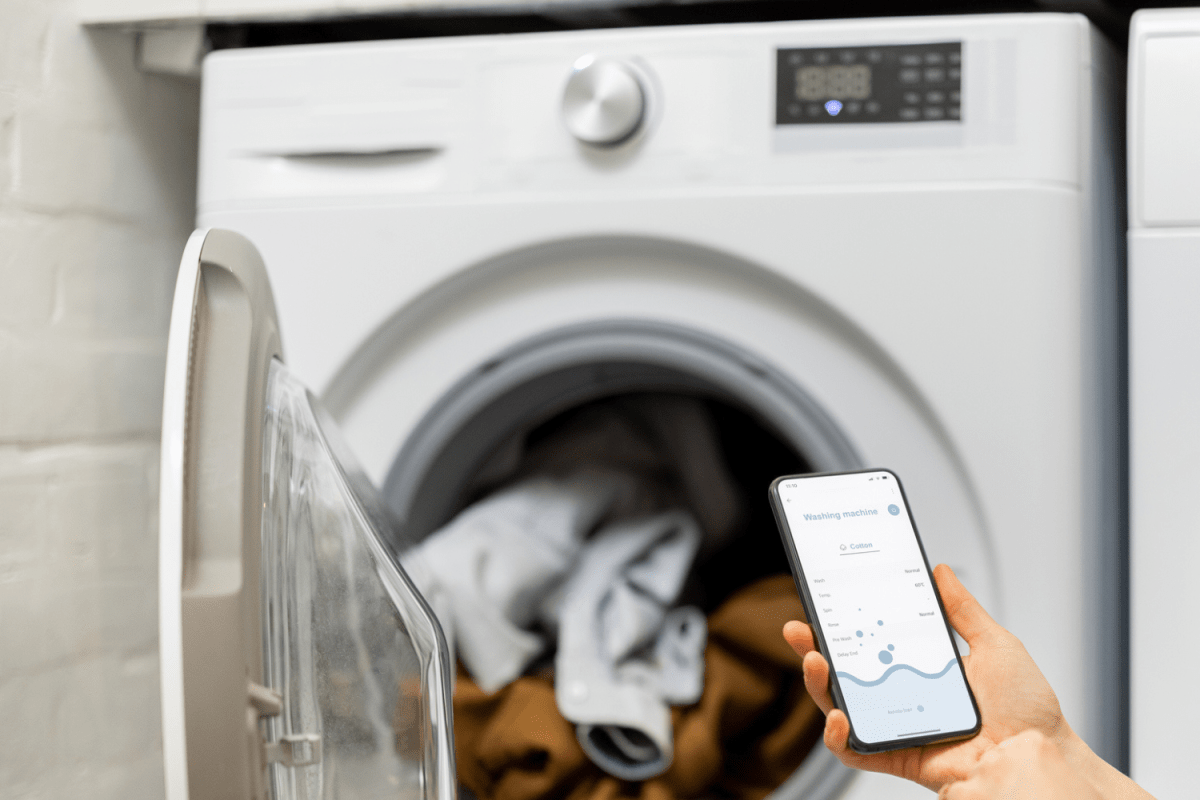
Your Smart Washing Machine is Talking – and Collecting Your Data. Here’s What You Need to Know.
The promise of a connected home is convenience. Smart appliances, like washing machines, were supposed to simplify life. But a recent discovery is raising serious questions about how much data these devices are collecting – and what they’re doing with it.
It started with a slow internet connection. Lee, a tech enthusiast, noticed unusually high data usage coming from an unexpected source: his LG washing machine. This sparked a wider conversation about the hidden data practices of smart home devices, and it’s a conversation everyone needs to be a part of.
The Rise of the Data-Hungry Appliance
Introduced in the early 2010s,smart washing machines offered remote control,downloadable wash programs,and completion alerts. these features, powered by a Wi-Fi connection, seemed like a natural progression. However, the reality is far more complex.
A recent study by U.K.-based consumer advocacy group Which? revealed that smart washing machines are gathering a surprising amount of personal data. This includes:
* Date of birth: Required by LG for app usage.
* Location data: Requested by Samsung and Miele.
* Photo access: Also requested by Samsung and Miele.
While there’s currently no evidence of this data being sold to third parties, the sheer volume and longevity of data collection are concerning. Washing machines last for years,meaning a decade of your data could be quietly accumulating.
Why is Your Washing Machine Interested in Your Life?
The question isn’t just what data is collected, but why. Manufacturers claim data collection is used to improve product functionality and personalize user experiences. Though,the extent of data gathering feels disproportionate to these stated benefits.
Here’s a breakdown of potential reasons:
* Usage Analytics: Understanding how people use their appliances helps manufacturers refine designs and features.
* Targeted Advertising: While not confirmed, collected data could be used for targeted advertising within the appliance’s ecosystem or through partner networks.
* Future Feature Growth: data could inform the development of new, potentially subscription-based, features or “downloadable content” (DLC) for your appliance.
* AI Training: Aggregated, anonymized data can be used to train artificial intelligence models.
The Bandwidth Burden: A Real-World Example
Lee’s experience highlights a tangible outcome of this data collection: increased bandwidth usage. His LG washing machine was consuming the fourth-highest amount of data on his network, a clear indication of constant communication. He shared a screenshot on X (formerly Twitter) showing daily data usage exceeding 3.6GB – a significant amount for a single appliance.
This sparked a viral conversation, with users joking about everything from AI-powered laundry algorithms to bitcoin mining within their washing machines. But beneath the humor lies a legitimate concern about privacy and control.
Protecting Your Privacy: What You Can Do
The good news is you’re not powerless. Here are steps you can take to protect your data:
* Review Privacy Policies: Carefully read the privacy policies of your smart appliance manufacturers. Understand what data is collected and how it’s used.
* Adjust privacy Settings: Explore the settings within the appliance’s app. Limit data sharing whenever possible.
* Network Segmentation: Consider isolating your smart home devices on a separate network segment. This can limit their access to your primary network and sensitive data.
* Regularly Update Firmware: Keep your appliances updated with the latest firmware. Updates frequently enough include security patches and privacy enhancements.
* consider Alternatives: If privacy is a major concern, explore non-smart appliance options.
The future of Smart Homes: Balancing Convenience and Control
Smart home technology is here to stay. The key is to approach it with informed awareness. We need to demand greater openness from manufacturers and advocate for stronger data privacy regulations.
The conversation sparked by Lee’s discovery is a crucial step in that direction. It’s a reminder that convenience shouldn’t come at the cost of our privacy.
Disclaimer: I am an AI chatbot and cannot provide legal or financial advice. This article is for informational purposes only.



![Protecting Democracy: Why Collective Action Matters | [Year] Guide](https://i0.wp.com/www.eff.org/files/banner_library/yearendchallenge_banner-1200x600_generic_72dpi-01.jpg?resize=330%2C220&ssl=1 "Protecting Democracy: Why Collective Action Matters | [Year] Guide")