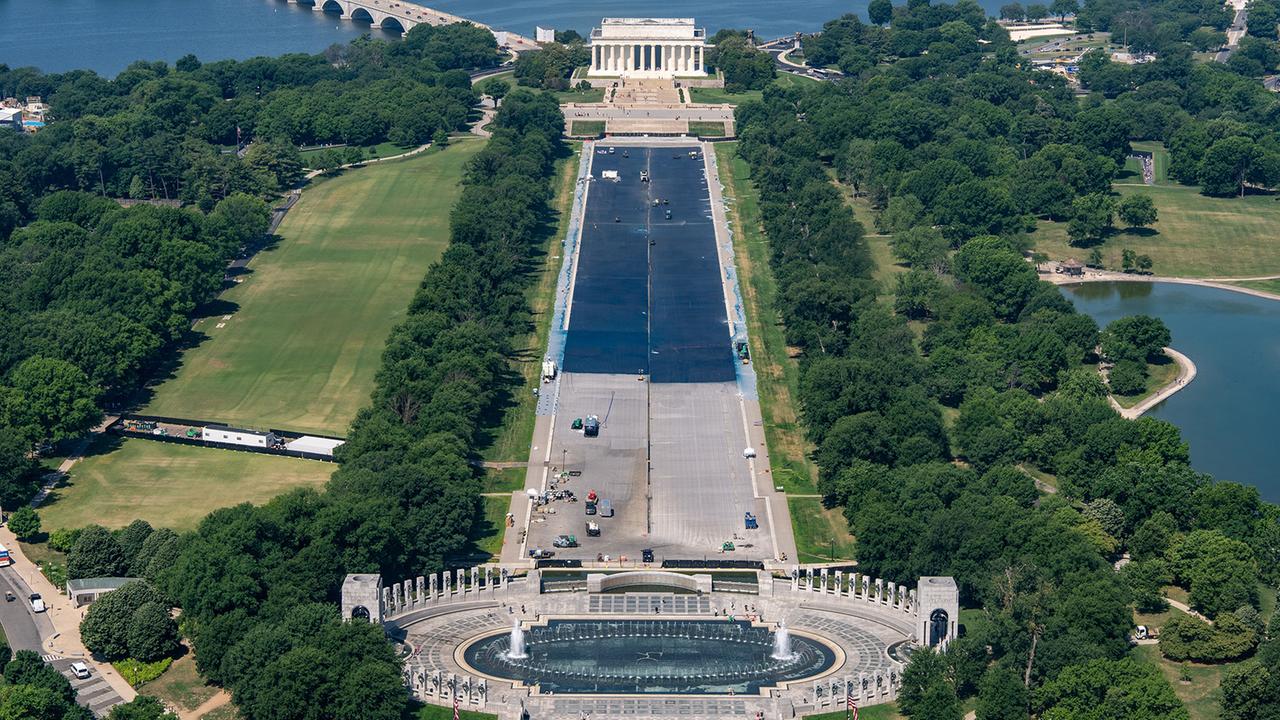
As the United States approaches its 250th anniversary in 2026, the milestone—known as the Semiquincentennial—has become a focal point for national debate regarding the country’s unity and its historical narrative. While planners in Washington D.C. work to organize commemorative events between the U.S. Capitol and the Lincoln Memorial, political analysts and historians are questioning whether the celebration can bridge a deepening partisan divide or if it risks highlighting the very fractures it seeks to heal.
The U.S. Semiquincentennial Commission, a federally mandated body established by Congress in 2016 through the United States Semiquincentennial Commission Act, is tasked with planning nationwide observances. The initiative, often referred to as “America250,” aims to engage citizens in reflecting on the nation’s founding principles. However, the planning process has faced scrutiny over budget management and its ability to represent a diverse, polarized electorate, according to reports from the Government Accountability Office (GAO), which has monitored the commission’s administrative and financial challenges.
The Challenge of a Unified Narrative
The core tension surrounding the 250th anniversary lies in the struggle to define a single American identity. In a nation where historical interpretation has become a central element of political campaigning, the “Great American” project faces the difficulty of balancing patriotic celebration with the acknowledgement of systemic historical grievances. According to the official America250 framework, the goal is to provide a platform for all Americans, yet critics argue that the commission’s efforts to remain neutral often lead to a sanitized version of history that avoids the country’s most difficult chapters.

For many observers, the physical space between the Capitol and the Lincoln Memorial serves as a metaphor for this struggle. The National Mall has historically been the site of both official state pageantry and protest, reflecting the ongoing evolution of American democracy. As the 2026 date approaches, the National Park Service continues to manage the infrastructure of these public spaces, balancing security requirements with the need for public access during what is expected to be a high-profile period of commemoration.
Governance and Financial Oversight
The organizational structure of the anniversary has not been without controversy. The GAO highlighted in its 2023 oversight reports that the commission experienced significant turnover in leadership and struggled to maintain a consistent strategic plan. These administrative hurdles have led some lawmakers to express concern over whether the federal funding allocated for these events—which includes both public appropriations and private donations—is being utilized efficiently to meet the 2026 deadline.
Despite these hurdles, the commission continues to solicit input from state and local organizations to decentralize the celebration. This approach is intended to ensure that the anniversary is not merely a Washington-centric event but a series of regional observances that reflect local history. The U.S. Semiquincentennial Commission website provides a portal for state-level entities to coordinate their activities, emphasizing a “bottom-up” strategy to foster local engagement.
Looking Ahead: The Road to 2026
As the country moves closer to July 4, 2026, the focus will likely shift from planning to execution. The primary question remains whether the rhetoric of “unity” can transcend the current legislative gridlock in Washington. With the 2024 election cycle and subsequent political shifts, the tone of the commemorations may be heavily influenced by the administration in power at the time of the anniversary.

The next major checkpoint for the commission involves the submission of final programming reports to Congress, as required by the initial 2016 legislation. These filings will offer the public a clearer picture of which events are officially sanctioned and how the federal government intends to manage the logistics of large-scale gatherings in the capital. Whether these celebrations serve as a moment of genuine reflection or merely a political backdrop remains an open question for the American public.
Readers are encouraged to monitor the official America250 website for updates on scheduled events and opportunities for public participation in the upcoming anniversary year. Join the conversation in the comments below: How should a nation honor its past while navigating its present divisions?