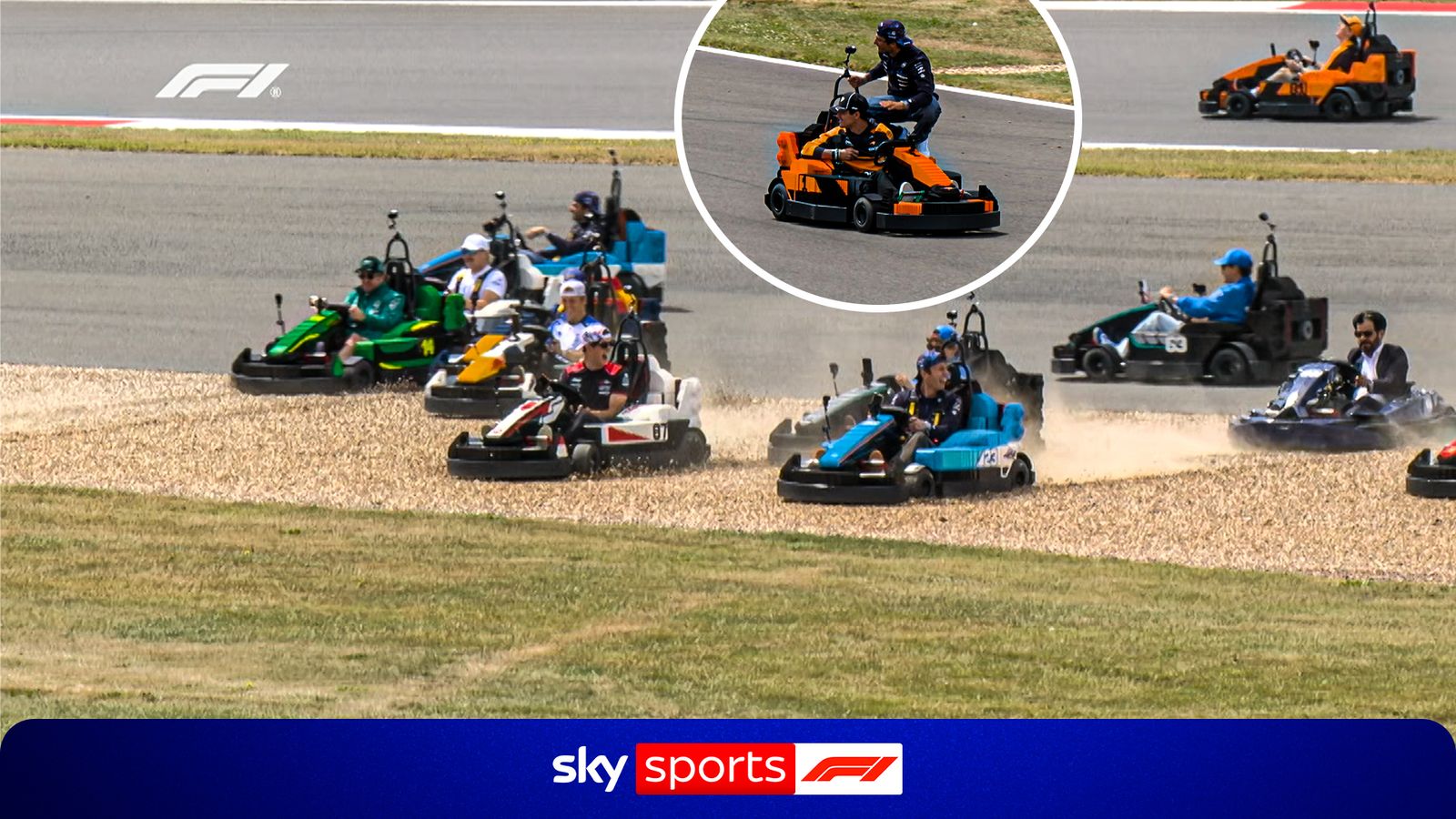
Formula 1 fans at the 2024 British Grand Prix witnessed an unconventional spectacle as a fleet of life-sized Lego Formula 1 cars took to the Silverstone circuit. The display, which featured custom-built models replicating the aerodynamics and liveries of modern racing machines, provided a lighthearted interlude during the high-stakes race weekend. While the plastic vehicles lacked the speed of their carbon-fiber counterparts, the parade offered a unique promotional activation that drew significant attention from spectators and social media audiences alike.
The event was part of a broader partnership between the Lego Group and Formula 1, aimed at engaging a younger demographic and showcasing the engineering versatility of the iconic building bricks. According to official statements from the Lego Group, the collaboration is designed to celebrate the sport’s history and technological evolution. The parade at Silverstone served as a physical manifestation of this ongoing marketing campaign, which has since expanded to include official merchandise and interactive fan experiences at various Grand Prix circuits.
The “chaotic” nature of the parade stemmed from the contrast between the rigid, blocky nature of the Lego builds and the fluid, high-speed environment of a professional racing circuit. Unlike the precision-engineered vehicles driven by the likes of Lewis Hamilton or Max Verstappen, the Lego models required careful handling to maintain their structural integrity during the lap. Fans captured the moments on social media, noting the surreal sight of the brightly colored, oversized bricks navigating the legendary corners of the Northamptonshire track.
Lego F1 car on track at Silverstone! 🧱🏎️ pic.twitter.com/d8r8ZtFh8C
— Formula 1 (@F1) July 7, 2024
Engineering the Impossible: How the Models Were Built
Creating a life-sized Formula 1 car out of Lego bricks is a feat of both design and structural engineering. The models showcased at Silverstone are not simply stacked bricks; they utilize internal steel frames to support the weight of thousands of individual elements. According to technical insights shared by Lego designers, these builds often require hundreds of hours of assembly time and precise CAD modeling to ensure the finished product accurately reflects the aerodynamic profiles of current F1 regulations.
The structural challenges are significant. While the exterior of the car is composed entirely of standard and specialized Lego pieces, the internal chassis must be rigid enough to withstand the vibrations of being towed or driven at low speeds across the tarmac. This blend of traditional toy engineering and industrial-grade construction is what allows the Lego Group to create “life-sized” replicas that can withstand public display environments.
What the Partnership Means for F1 Fans
This parade was more than just a novelty; it marked a strategic shift in how Formula 1 approaches fan engagement. By integrating a brand as globally recognized as Lego, F1 is looking to bridge the gap between casual viewers and technical enthusiasts. The partnership, officially announced in the lead-up to the 2024 season, includes plans for a wide range of products, from entry-level sets for children to complex “Technic” models designed for adult collectors.
According to Formula 1’s official press release, the multi-year deal is intended to promote creativity and STEM (Science, Technology, Engineering, and Mathematics) education. For fans, this means an increased presence of interactive Lego zones in the F1 Fan Zone at various circuits, allowing attendees to build their own cars and test them on simulated tracks. The Silverstone parade acted as the flagship launch for these initiatives, setting a tone of accessibility and playfulness that contrasts with the sport’s often intense competitive atmosphere.
Looking Ahead: The Future of Fan Activations
As Formula 1 continues to see growth in its global audience, the reliance on high-production activations like the Lego parade is expected to increase. These events serve to diversify the race weekend experience, offering value to fans beyond the track action. Organizers have confirmed that the collaboration will continue throughout the 2025 season, with new set launches and promotional events scheduled to coincide with key Grand Prix races.

For those looking to engage with the partnership, the Lego Group maintains an official landing page dedicated to their F1 collection. Updates regarding future track-side activations will be provided through official Formula 1 social media channels and the sport’s official news portal. Fans are encouraged to share their experiences and photos from these events, which have become a staple of the modern Grand Prix weekend experience.
The next major updates regarding team collaborations and product releases are expected to be announced during the off-season period. As the sport prepares for the upcoming championship, the integration of creative partnerships remains a central pillar of F1’s long-term fan engagement strategy. Readers interested in the latest developments are invited to follow our sports section for ongoing coverage of the intersection between racing technology and fan-focused entertainment.