Apple’s integration of advanced artificial intelligence into its device ecosystem is establishing new hardware benchmarks that may limit the feature sets of older wearable devices. While current Apple Watch models continue to receive software updates, the increasing computational demands of on-device “Apple Intelligence” and enhanced Siri capabilities are increasingly tied to the latest silicon architecture.
The shift toward on-device machine learning represents a fundamental change in how Apple processes user requests. Unlike previous iterations of Siri, which relied heavily on cloud-based processing, the latest generation of Apple Intelligence requires significant local processing power. This requirement creates a functional divide between users with the latest chips and those using older hardware, such as the Apple Watch Series 8 or the original Apple Watch Ultra.
As Apple expands its AI-driven features, the hardware requirements for the Neural Engine—the specialized component designed to handle machine learning tasks—are becoming more stringent. This technological transition suggests that while older watches may remain compatible with standard operating system updates, they may lack the specialized silicon necessary to run advanced AI-driven Siri interactions and predictive features.
The silicon barrier: Neural engine requirements for Apple Intelligence
The core of Apple’s AI strategy relies on the ability to process complex language models directly on the device, rather than sending data to a remote server. This approach improves privacy and reduces latency, but it places an immense burden on the device’s System in Package (SiP). According to technical specifications from Apple, the S9 SiP and subsequent iterations introduced a significantly more powerful Neural Engine compared to their predecessors.
The Neural Engine is responsible for interpreting natural language, recognizing on-screen context, and executing complex commands locally. For Siri to function with the level of intelligence seen in Apple Intelligence, the processor must be capable of performing trillions of operations per second (TOPS) within a very tight power envelope. Older chips, including the S8 SiP found in the Series 8 and Ultra 1, were designed for different computational priorities, focusing more on sensor fusion and biometric accuracy than on large-scale local language model execution.
This distinction is critical for users to understand. A device’s ability to run a new version of watchOS does not necessarily mean it can run every feature within that operating system. Apple has historically differentiated between “OS support” and “feature support,” where older hardware remains functional for core tasks like fitness tracking and notifications but is excluded from high-computation features like advanced voice processing or on-device image recognition.
Analyzing the hardware: Series 8, Ultra 1, and SE 2
The devices currently facing this hardware gap include several popular models that remain widely in use. The Apple Watch Series 8, the original Apple Watch Ultra, and the Apple Watch SE (2nd generation) all utilize the S8 SiP. While these models are highly capable for health monitoring and standard smartwatch functions, they lack the specific architectural optimizations found in the S9 and S10 chips.

The S9 SiP, introduced with the Series 9, marked a significant leap in on-device processing. It was specifically engineered to support more complex Siri requests without requiring a constant connection to the cloud. Because the S8 chip lacks the same level of Neural Engine throughput, it is unlikely to support the full suite of Apple Intelligence features that Apple is currently rolling out across its iPhone and Mac lineups.
For millions of users, this does not mean their devices will become obsolete. However, it does mean the “smart” capabilities of their watches may stagnate while newer models continue to evolve. The impact is most noticeable in how the device interacts with the user; newer models can process much more nuanced verbal commands and provide more context-aware responses through the enhanced Siri interface.
| Feature / Model | Apple Watch S8 SiP (Series 8, Ultra 1, SE 2) | Apple Watch S9/S10 SiP (Series 9, Ultra 2, Series 10) |
|---|---|---|
| Primary Processor | S8 SiP | S9 or S10 SiP |
| Neural Engine Capability | Standard (Sensor/Biometric focus) | Enhanced (AI/LLM optimized) |
| Siri Processing | Primarily Cloud-based | On-device Capable |
| Apple Intelligence Support | Limited or No Support | Full Support |
The distinction between OS updates and feature availability
One of the most common points of confusion for consumers is the difference between a software update and a feature upgrade. When Apple releases a new version of watchOS, it is designed to be compatible with a broad range of hardware to maintain its massive install base. This ensures that even older devices receive critical security patches and improvements to core functions like heart rate monitoring and GPS accuracy.
However, the “intelligence” layer of the software is often gated by hardware. Much like how certain advanced camera features on an iPhone are restricted to models with specific image signal processors, the AI features of watchOS are restricted to models with the necessary Neural Engine performance. This creates a tiered user experience where the software is the same, but the capabilities differ significantly based on the device’s silicon.
This strategy allows Apple to maintain high standards for user privacy and performance. By requiring specific hardware for on-device AI, Apple ensures that the device does not overheat or suffer from extreme battery drain while attempting to run intensive machine learning models. For users of the Series 8 or SE 2, this means their devices will likely remain reliable for years, even if they do not participate in the latest AI revolution.
Historical context: Apple’s hardware-software lifecycle
Apple has a long-standing history of managing hardware lifecycles through software optimization. In previous years, the introduction of more advanced Siri capabilities was limited by the processing power of the Apple Watch’s S-series chips. As the silicon evolved, features that were once cloud-only were eventually brought on-device, but only for the latest models.
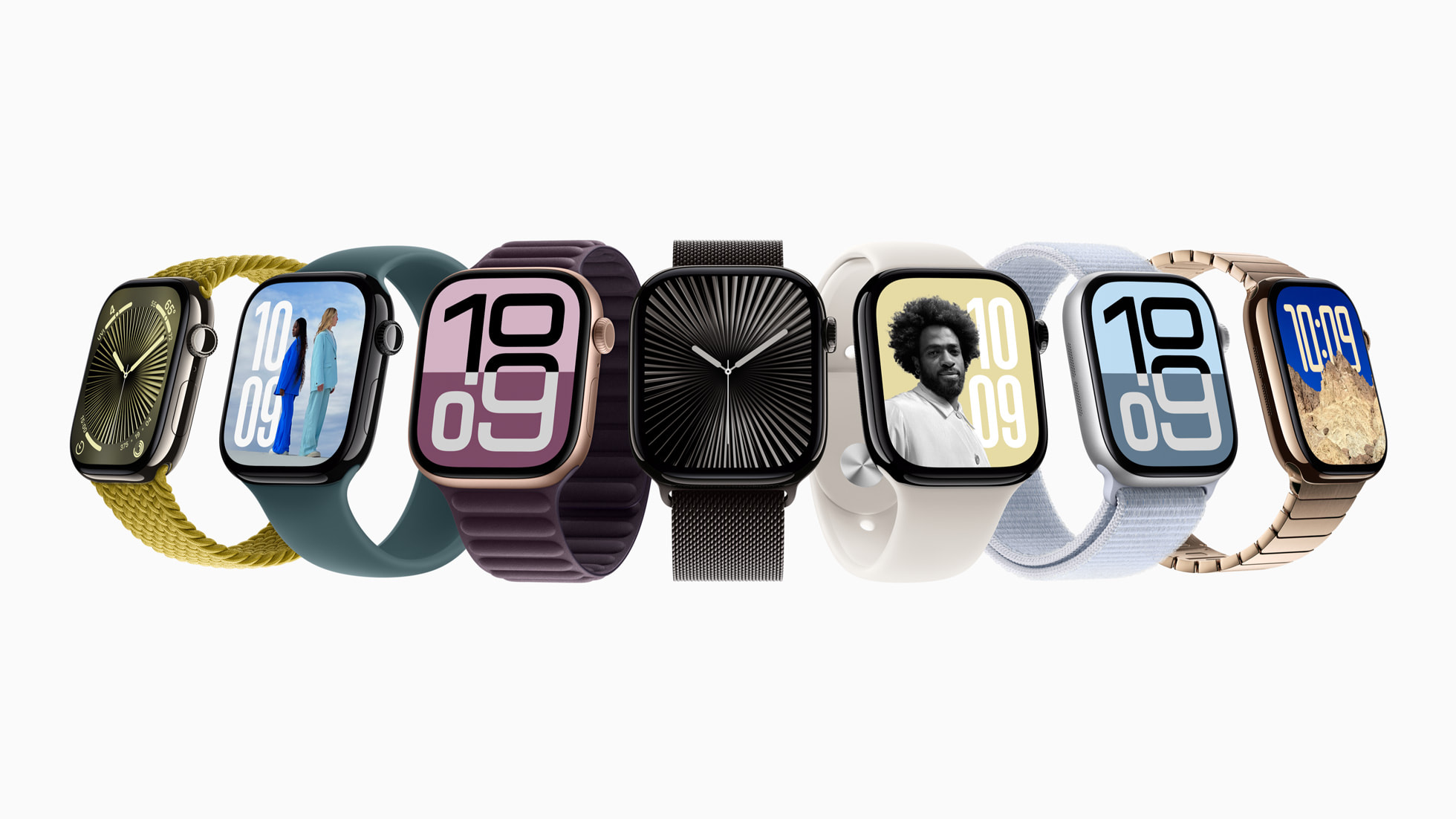
A notable precedent occurred with the transition to watchOS 10, which saw a significant overhaul of the user interface and complication system. While most recent watches transitioned smoothly, older models like the Apple Watch Series 3 eventually reached their end-of-life for software updates, losing access to both new features and critical security updates. The current shift toward AI-driven features follows this pattern, where the “intelligence” of the device is tied directly to the generation of the silicon.
As the industry moves toward more integrated ambient computing, the gap between “smart” devices and “intelligent” devices is expected to widen. Users can expect that the next several generations of Apple Watch will focus increasingly on the ability to act as an autonomous AI agent, a capability that remains out of reach for current-generation legacy hardware.
Key Takeaways for Users:
- Continued Support: Older models like the Series 8 and Ultra 1 will likely continue to receive standard watchOS updates for security and core functionality.
- Feature Limitations: Advanced “Apple Intelligence” and on-device Siri features are expected to be exclusive to newer models with S9 SiP or later.
- Hardware vs. Software: Software updates do not guarantee access to all new features; hardware capability is the deciding factor for AI functionality.
- Upgrade Considerations: Users prioritizing voice interaction and automated AI features may need to consider upgrading to models with enhanced Neural Engines.
Apple is expected to provide further details regarding the full rollout of Apple Intelligence features for wearable devices during its upcoming developer conferences and software update cycles. Users should monitor official Apple support documentation for specific compatibility lists regarding upcoming watchOS releases.
What are your thoughts on the growing divide between AI-capable hardware and older models? Do you prioritize long-term OS support or the latest feature sets when choosing a smartwatch? Let us know in the comments below and share this article with your fellow tech enthusiasts.