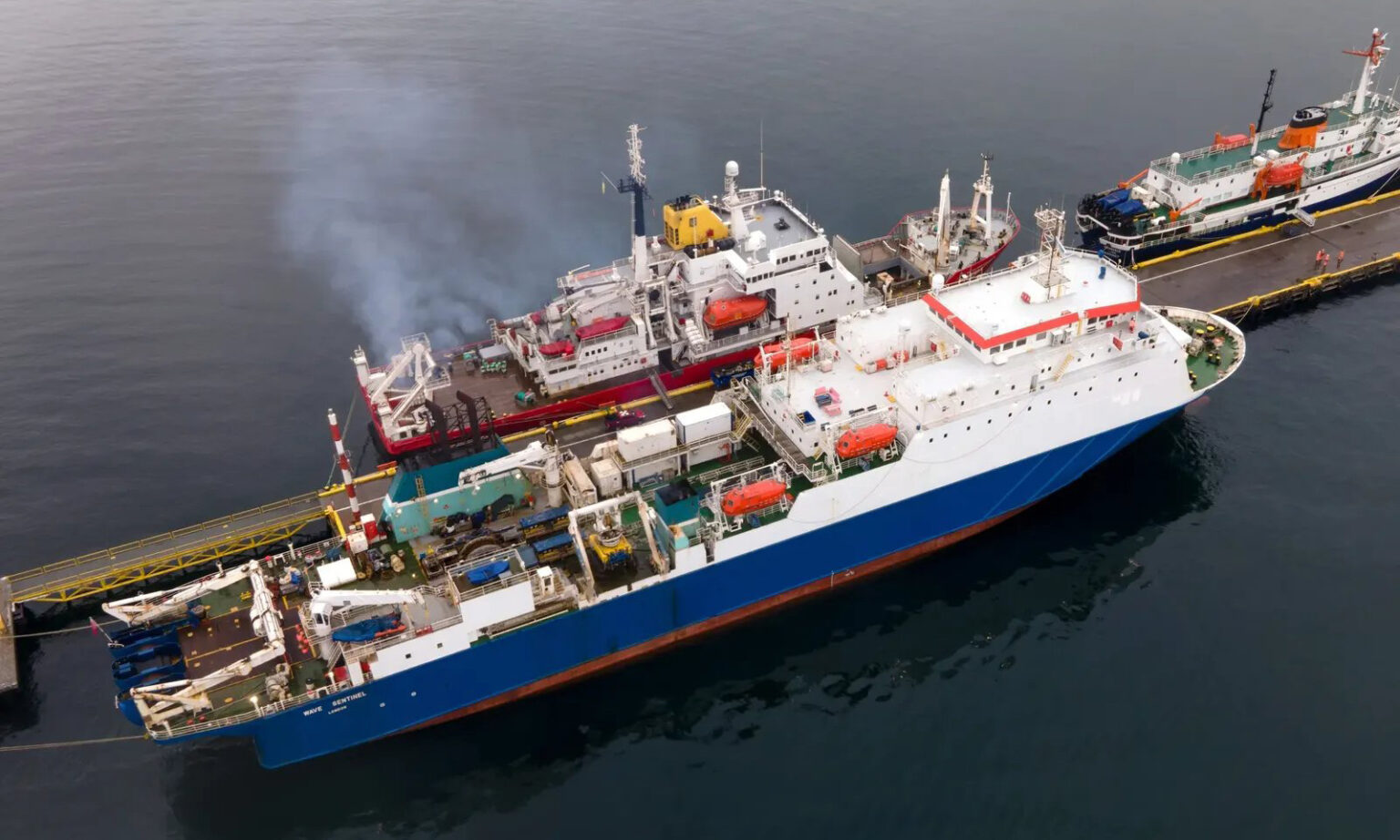
The specialized cable-repair vessel Wave Sentinel has arrived at the port of Guaranao in the state of Falcón, Venezuela, to begin maintenance operations on critical subsea telecommunications infrastructure. The vessel’s deployment is part of a broader effort to address connectivity stability and ensure the integrity of the underwater fiber-optic networks that support regional data transmission, according to industry monitoring reports.
As a technology journalist with a background in software engineering, I have tracked how these subsea cables serve as the literal backbone of the modern internet. When a repair ship of this caliber—capable of precise deep-sea intervention—arrives at a specific port, it signals a coordinated attempt to resolve potential latency or service degradation issues affecting local and regional networks. These vessels are equipped with remotely operated vehicles (ROVs) designed to locate, inspect, and splice fiber-optic cables that may have been damaged by maritime traffic, seismic activity, or environmental wear.
Infrastructure Maintenance and Connectivity Reliability
The Wave Sentinel is a specialized vessel owned and operated by Global Marine, a company that provides subsea engineering services for the telecommunications and energy sectors. According to company specifications, these vessels are purpose-built for cable installation and maintenance, featuring dynamic positioning systems that allow them to remain stationary in challenging ocean conditions while conducting delicate repairs. The arrival in Falcón suggests that technical teams have identified specific segments of the subsea network requiring attention to restore optimal transmission speeds and reliability for users in the region.
Subsea cables are essential for international data traffic, carrying the vast majority of global internet communication. Unlike satellite connections, which can suffer from higher latency, fiber-optic cables provide the high-capacity, low-latency links required for modern digital services. When a cable experiences a fault, technicians must rely on vessels like the Wave Sentinel to retrieve the line from the seabed, perform a technical splice, and re-lay the cable to ensure it remains protected from further disturbance.
The Role of Subsea Fiber-Optic Networks
The operation in Falcón highlights the ongoing dependency on physical infrastructure in a digital-first world. Because these cables are often laid along the ocean floor at depths exceeding several thousand meters, maintenance is a complex logistical task. The process typically involves:
- Fault Localization: Using reflectometry to pinpoint the exact location of a break or signal degradation.
- ROV Deployment: Utilizing underwater drones to inspect the cable’s physical condition.
- Cable Recovery: Lifting the cable to the deck of the vessel for repair.
- Splicing and Testing: Rejoining the fiber-optic strands and verifying signal continuity before lowering the cable back into the seabed.
The Wave Sentinel is frequently utilized in global maritime projects, and its presence in Venezuelan waters is a standard procedural response to ensure that telecommunications infrastructure remains resilient against the physical realities of the marine environment. Ensuring that these systems are kept in good working order is a priority for internet service providers and national telecommunications authorities, as a single cut or fault can lead to significant service disruptions for millions of users.
Next Steps for Network Restoration
While the arrival of the Wave Sentinel at the Guaranao port is the primary milestone, the timeline for the completion of the repairs depends on the severity of the damage identified by the onboard engineering teams. Typically, such operations involve coordination between the vessel crew, local port authorities, and the telecommunications operators responsible for the affected cables. Official updates regarding the progress of the maintenance work and the anticipated impact on service quality are usually disseminated through the relevant national telecommunications regulators.
Readers looking for updates on regional connectivity should monitor official statements from telecommunications providers or government infrastructure ministries, which oversee the maintenance of these critical links. For those interested in the technical aspects of subsea engineering, the industry remains focused on increasing the durability of cable housing and improving the speed of deployment for repair vessels to minimize downtime. Please feel free to share your thoughts or questions in the comments section below regarding how these infrastructure projects influence your local digital experience.
Related reading