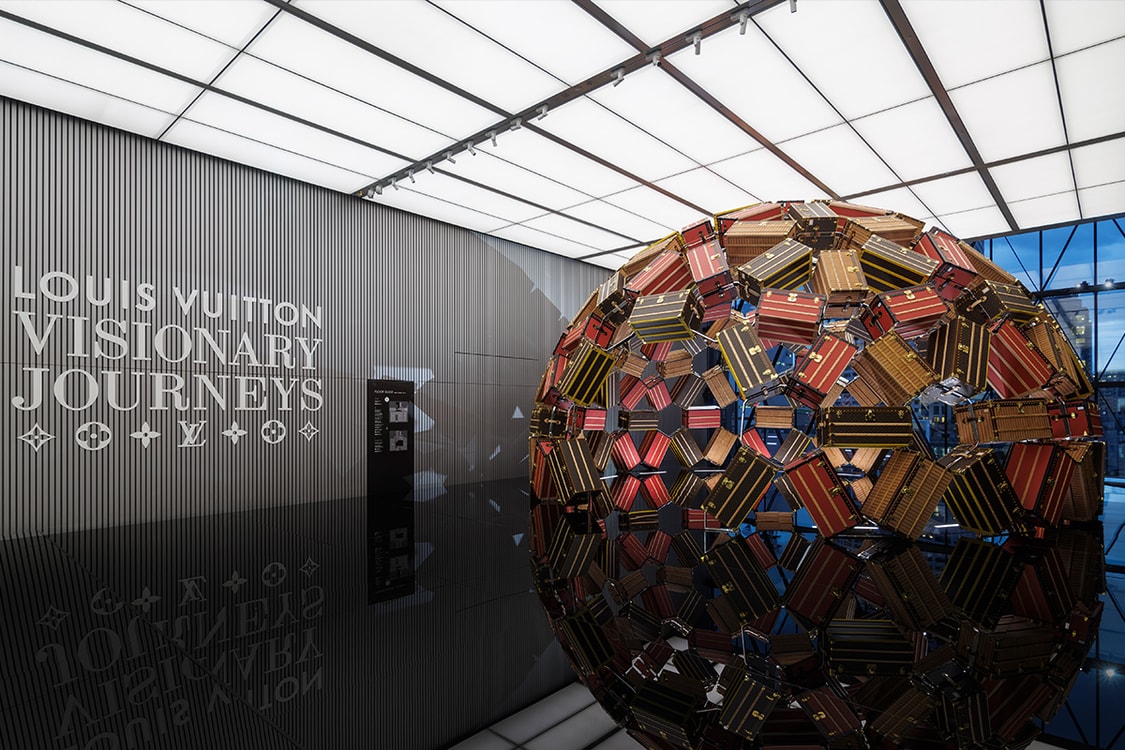
Louis Vuitton’s “LV Dream” exhibition, known locally as the “LV Visionary Journey” in Seoul, offers a curated exploration of the brand’s history through the lens of artistic collaboration. The exhibition, which highlights the French luxury house’s long-standing relationship with artists and designers, serves as a bridge between historical craftsmanship and contemporary visual culture. According to official Louis Vuitton communications, the space functions as both an archival showcase and an immersive gallery designed to recontextualize the brand’s iconic monograms and trunk-making heritage.
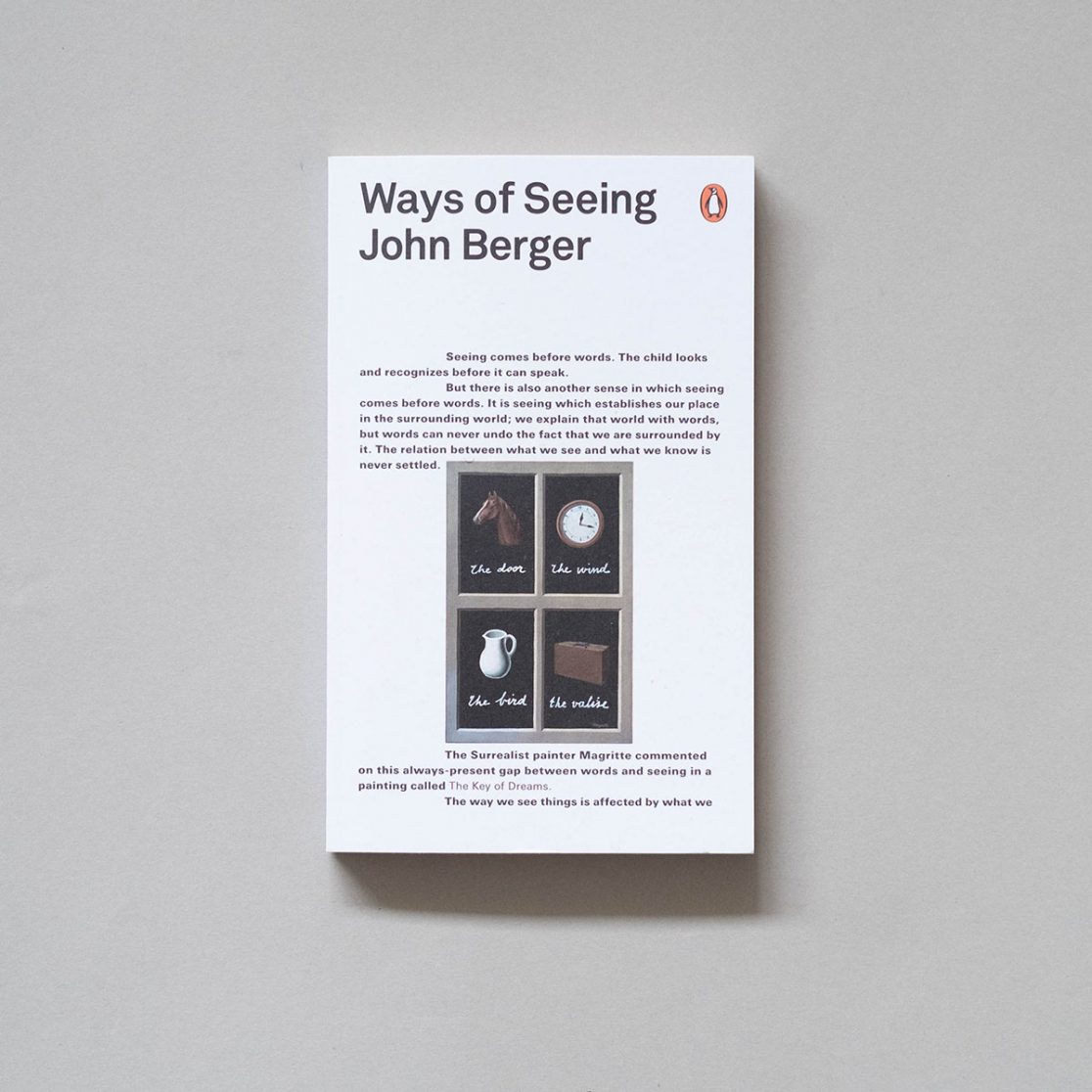
The concept of the exhibition relies heavily on the philosophy of “ways of seeing,” a theme famously explored by art critic John Berger. In his seminal 1972 work, Ways of Seeing, Berger argued that our perception of an object is inextricably linked to our existing beliefs and cultural knowledge. By applying this critical framework to the “LV Visionary Journey,” the exhibition invites visitors to move beyond the commercial identity of the items on display and instead engage with them as cultural artifacts shaped by the specific perspectives of the artists involved.
The Intersection of Heritage and Artistic Interpretation
The Seoul exhibition space is structured to emphasize the evolution of the Louis Vuitton aesthetic. Rather than presenting a static timeline, the organizers have invited multiple creative voices to interpret the brand’s archives. This approach mirrors the broader industry trend of “heritage storytelling,” where luxury brands utilize their historical assets to validate their relevance in the modern digital age. The exhibit includes rare trunks dating back to the late 19th century, placed alongside modern reinterpretations that challenge traditional notions of luxury design.
For visitors, the experience is designed to be interactive. By integrating sensory elements and digital displays, the brand attempts to demystify the labor-intensive processes behind their signature products. This transparency is a strategic shift for the LVMH group, which has increasingly focused on institutional branding to maintain its market position against emerging competitors in the luxury sector. The exhibition effectively uses the physical space to reinforce the brand’s narrative of “innovation through tradition.”
Applying the Berger Framework to Luxury Retail
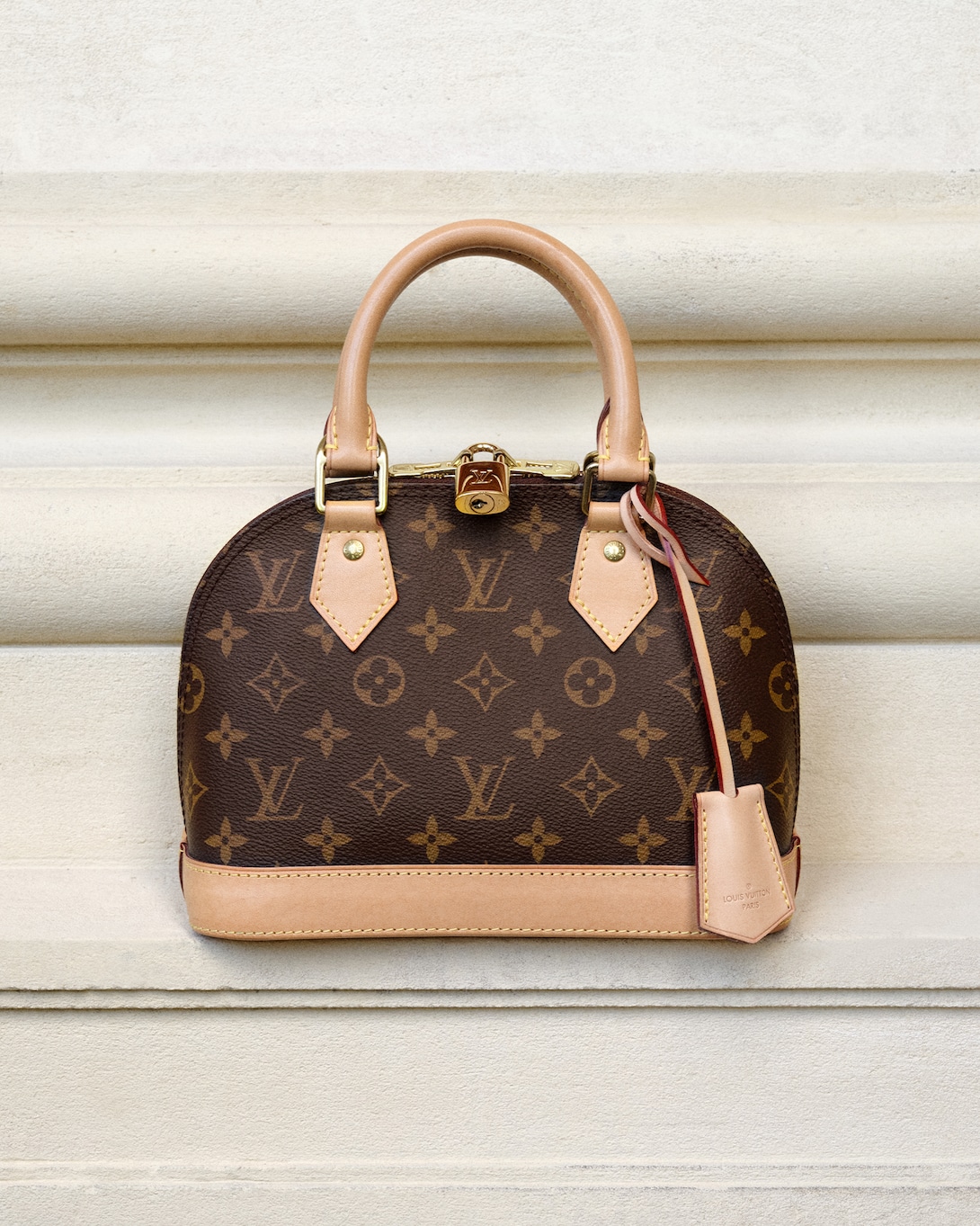
The inclusion of Berger’s theories in the analysis of the exhibition highlights a growing dialogue between high fashion and academic art criticism. When an object—in this case, a trunk or a handbag—is removed from its retail context and placed within an exhibition space, its value is transformed. According to GQ Korea, which has closely monitored the cultural impact of such exhibitions in Seoul, the “Visionary Journey” succeeds by forcing the viewer to confront the brand as an evolving artistic entity rather than a mere manufacturer of leather goods.
This shift in perspective is critical for a global audience. As the luxury market in Asia continues to expand, brands are investing heavily in “experience-led” retail. Data from recent industry reports indicates that immersive exhibitions contribute significantly to brand sentiment and consumer loyalty among younger demographics in South Korea. By framing the brand’s history through artistic eyes, Louis Vuitton ensures that its heritage remains a living, breathing component of contemporary culture rather than a relic of the past.
Why Artistic Collaboration Matters for Brand Longevity
The “LV Visionary Journey” is not merely a promotional endeavor; it is an exercise in brand positioning. Through the eyes of the selected artists, the exhibition strips away the common perceptions of luxury to reveal the underlying design principles that have sustained the company since 1854. This focus on “the making” is a recurring theme in the brand’s global strategy, as documented in their official corporate disclosures regarding cultural heritage and preservation.
The exhibition’s success in Seoul underscores the importance of local context. By tailoring the presentation to the artistic sensibilities of the region, Louis Vuitton creates a more profound connection with the local audience. This strategy of “glocalization”—adapting global brand identities to fit local cultural frameworks—remains a staple of successful international marketing. The curators have ensured that while the brand’s French roots are evident, the dialogue is firmly grounded in the contemporary Seoul art scene.
Looking Ahead: The Evolution of Brand Exhibitions
As the exhibition continues its residency, industry observers expect more brands to adopt similar models of narrative-driven retail. The integration of art history, archival research, and immersive technology is likely to define the next phase of luxury brand communication. For those interested in the technical and creative aspects of the exhibition, official updates and scheduling information remain available through the Louis Vuitton official website, which serves as the primary source for visitor information and ticketing.
The “LV Visionary Journey” serves as a case study for how legacy brands can navigate the complex intersection of commerce and culture. By inviting the public to look at their history through a critical, artistic lens, the brand ensures its continued relevance in a rapidly changing global market. Readers are encouraged to share their thoughts on the role of art in luxury retail in the comments section below.
Worth a look