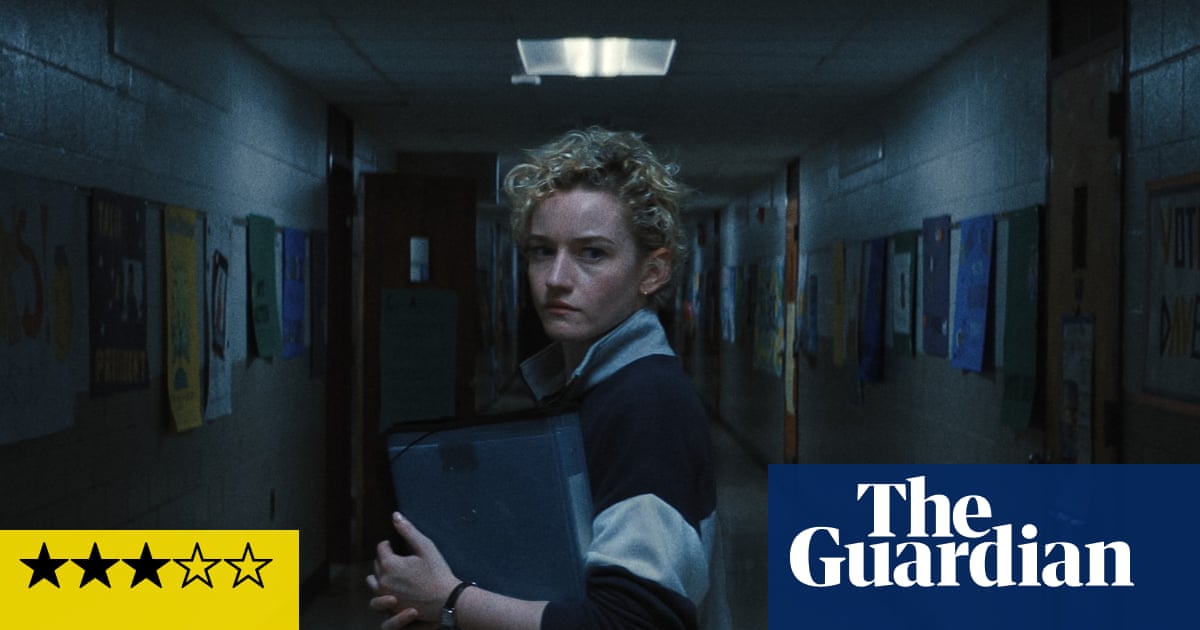
“Weapons“: A Stylish Thriller That Ultimately Feels Hollow
Zach Cregger‘s follow-up to the surprise hit Barbarian arrives with considerable anticipation. Weapons, a missing-children mystery steeped in unsettling atmosphere, benefits from a savvy marketing campaign – one that cleverly teased the film’s bizarre premise without revealing too much. While Cregger demonstrates continued growth as a director, the film ultimately feels like a beautifully crafted puzzle box containing a disappointingly simple solution.
The premise is undeniably gripping: seventeen children vanish overnight from the same town, all leaving their beds at precisely 2:17 AM. Suspicion immediately falls on Ms. Grady (Julia garner), the children’s teacher, and a community spirals into fear and recrimination. Cregger wisely employs a multi-perspective narrative, weaving together the viewpoints of a distraught parent (Josh brolin), a troubled police officer (Alden Ehrenreich), a local criminal (Austin Abrams), and the one child left behind (Cary Christopher). This structure initially builds compelling tension,slowly revealing fragments of the truth.
(Watch the Official Trailer: https://www.youtube.com/watch?v=OpThntO9ixc)
Weapons skillfully evokes the unsettling tone of classic psychological thrillers like Stephen King’s work and the dark fairy tales of the Brothers Grimm. Cregger excels at creating a palpable sense of dread, and the film’s strength lies in its ability to keep you guessing. The cast delivers strong performances, especially Garner, who portrays a complex and deeply flawed character. Ehrenreich also shines as a cop grappling with personal demons.
Though, beneath the stylish direction and compelling performances, the characters feel surprisingly underdeveloped. They function more as plot devices than fully realized individuals, resembling avatars in a video game rather than the subjects of a nuanced story. This shallowness becomes increasingly apparent as the mystery unfolds. The narrative, while initially captivating, prioritizes a relentless drip-feed of suspense over genuine depth.
The film avoids the pitfalls of excessive “trauma horror” – a welcome change of pace - but also lacks a truly resonant thematic core. While some may attempt to find allegorical meaning in Weapons, it largely operates as a purely visceral experience, akin to a compulsively readable, but ultimately lightweight, thriller novel.
Comparisons to Denis Villeneuve’s Prisoners are certain, and while Weapons thankfully avoids the self-seriousness of that film, it shares a similar reliance on polished aesthetics masking a relatively straightforward plot. the film’s intricate structure and repeated scenes from different angles create the illusion of complexity, but ultimately serve to distract from its inherent simplicity.A degree of suspension of disbelief is required,as the narrative relies on remarkably inept police work and a frustratingly oblivious populace.
Cregger’s directorial confidence is undeniable. He masterfully crafts moments of genuine shock and suspense, creating a truly immersive and reactive cinematic experience – particularly effective with a live audience. A standout performance from a late-arriving actor (whose identity remains a spoiler) adds a chillingly unsettling element. Though, even these strengths can’t salvage a finale that, despite its heightened violence, feels emotionally hollow and narratively unsatisfying.The chaos lacks purpose, the impact feels muted.
Weapons represents a clear step forward for Cregger in terms of technical skill and atmospheric control. He’s expanding his directorial toolkit, but a crucial element remains elusive: a sharper, more incisive storytelling edge. While a thrilling ride, weapons ultimately leaves you wanting more than just style – you crave substance.
Key Takeaways:
Strong Atmosphere: cregger excels at building suspense and creating a genuinely unsettling mood.
Solid Performances: The cast delivers compelling performances, particularly Julia Garner and Alden Ehrenreich.
Shallow Characters: The characters feel underdeveloped and serve primarily as plot devices.
Narrative Simplicity: Beneath the complex structure, the story is surprisingly straightforward.
* Missed Potential: The film lacks the thematic depth and emotional resonance to truly elevate it.