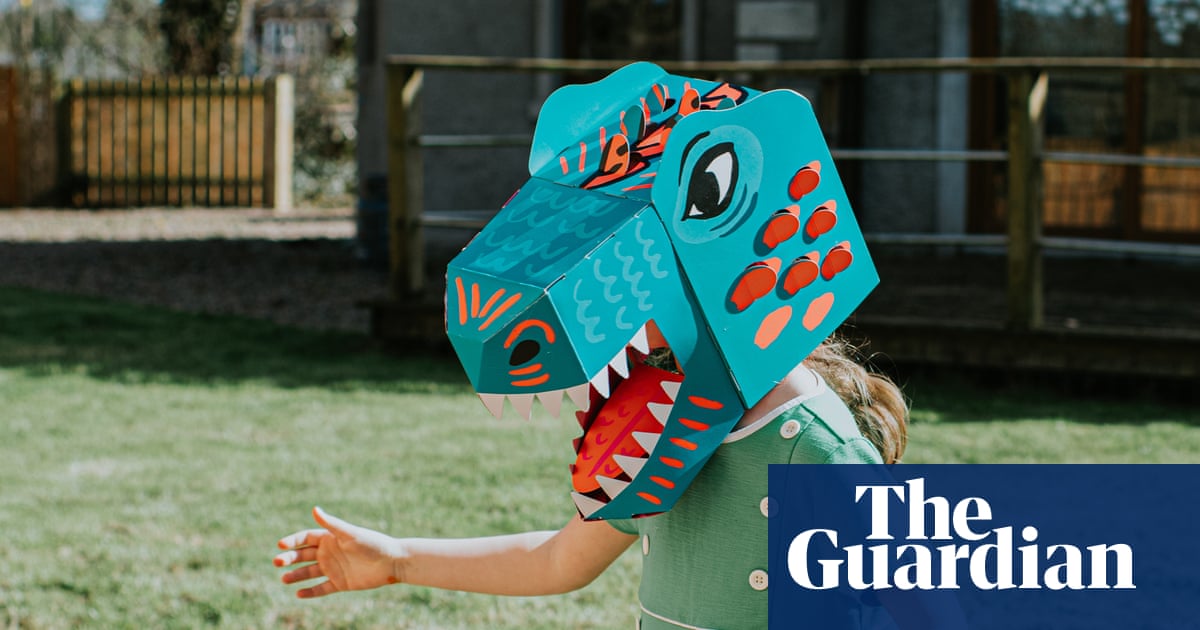
Austin Kleon, the author known for the bestselling creative guide Steal Like an Artist, suggests that adults looking to escape a rut can find inspiration by observing the playful nature of children. This approach encourages individuals to reconnect with their creative instincts by embracing activities that might feel silly or unconventional, such as wearing unexpected clothing or engaging in spontaneous play. For those feeling the weight of predictable, routine-driven adulthood, Kleon’s philosophy centers on the idea that rediscovering one’s inner child is not just a hobby, but a necessary practice for maintaining a spark in daily life.
Adulthood often brings a sense of predictability, characterized by a cycle of work, household chores, and limited leisure time. Many people find that despite achieving personal goals—such as creating a home environment that reflects their unique style—the daily grind can leave them feeling as though they are simply going through the motions. By intentionally introducing elements of play, such as choosing to “wear something that makes you feel silly,” individuals may be able to disrupt the monotony of their schedules and cultivate a more vibrant, creative perspective on their day-to-day responsibilities.
The Philosophy of Creative Play
The core of Kleon’s message is that creativity does not necessarily require a formal studio or a professional project; rather, it thrives in the small, often overlooked moments of the day. When an adult decides to act with the unselfconscious freedom of a child, they create space for new ideas to emerge. This practice of “silly” behavior acts as a circuit breaker for the brain, interrupting the patterns of stress and efficiency that define modern professional life. According to principles discussed in his work, creative habits are built through consistent, low-stakes experimentation rather than grand, sweeping gestures.
For those interested in exploring this further, the focus remains on the process of creation rather than the final output. Whether it is through journaling, doodling, or simply rearranging one’s living space, the goal is to lower the barrier to entry for creative thought. By removing the pressure to produce something “meaningful” or “productive,” individuals can often find more joy in the act of making, which in turn helps to alleviate the feeling of being stuck in a rut.
Breaking the Routine
A routine is often seen as the backbone of a successful life, but when it becomes too rigid, it can stifle the imagination. The transition from childhood—where play is the primary occupation—to adulthood involves a shift toward utility and efficiency. While this shift is necessary for managing the complexities of work and personal management, it can also lead to a loss of the curiosity that drives innovation. To counteract this, experts often suggest scheduling “playdates” with oneself, where the only objective is to explore an interest without a specific goal in mind.
This does not mean abandoning responsibilities, but rather integrating moments of levity into the existing schedule. Small, manageable changes—like dedicating fifteen minutes to an unconventional hobby or changing one’s physical environment—can have a significant impact on one’s overall mood and creative output. The emphasis is on autonomy, allowing oneself the freedom to choose activities that might seem trivial to others but hold personal value.
Practical Steps to Rediscover Playfulness
If you are looking to integrate more spontaneity into your life, consider these approaches based on the concepts of creative living:
- Embrace the Low-Stakes: Choose an activity that has no impact on your career or reputation. The point is to do something purely for the experience.
- Change Your Environment: Small adjustments, such as using different colors in your home or workspace, can shift your mental state.
- Observe the Youthful Perspective: Pay attention to how children approach problem-solving; they are often less constrained by the fear of failure or the need for perfection.
- Wear Your Personality: As suggested, choosing attire that feels fun or unconventional can be a simple, daily reminder to not take life too seriously.
As we continue to navigate the balance between professional demands and personal happiness, the value of maintaining a sense of wonder becomes increasingly clear. While there is no single solution for everyone, the intentional pursuit of playfulness serves as a powerful tool for those seeking to reclaim their creative spark. Future discussions on this topic will likely continue to explore how these individual habits contribute to broader concepts of well-being and mental health in an increasingly structured world. We invite our readers to share their own experiences with creative routines in the comments section below.
Keep reading