For millions of people living with diabetes and those focused on metabolic health, the daily ritual of the finger-prick blood test is a persistent, painful necessity. The promise of a “holy grail” in consumer electronics—a non-invasive wearable that can track blood glucose levels in real-time without a single drop of blood—has been a primary driver of innovation in the wearable tech industry for over a decade.
As a software engineer turned journalist, I have watched the trajectory of health sensors move from basic step counting to sophisticated heart rate variability and blood oxygen monitoring. However, blood sugar tracking represents a significantly higher technical hurdle. While the marketing for various smartwatches and rings often hints at “metabolic insights,” there is a critical distinction between devices that provide a medical-grade glucose reading and those that offer general wellness correlations.
The current landscape of wearables for blood sugar tracking is divided into two distinct worlds: the minimally invasive devices that are already saving lives, and the non-invasive optical sensors that are still fighting their way through the laboratory and regulatory hurdles. Understanding where the technology stands today—and where it is actually heading—is essential for anyone relying on this data for medical decisions.
The Current Gold Standard: Minimally Invasive CGMs
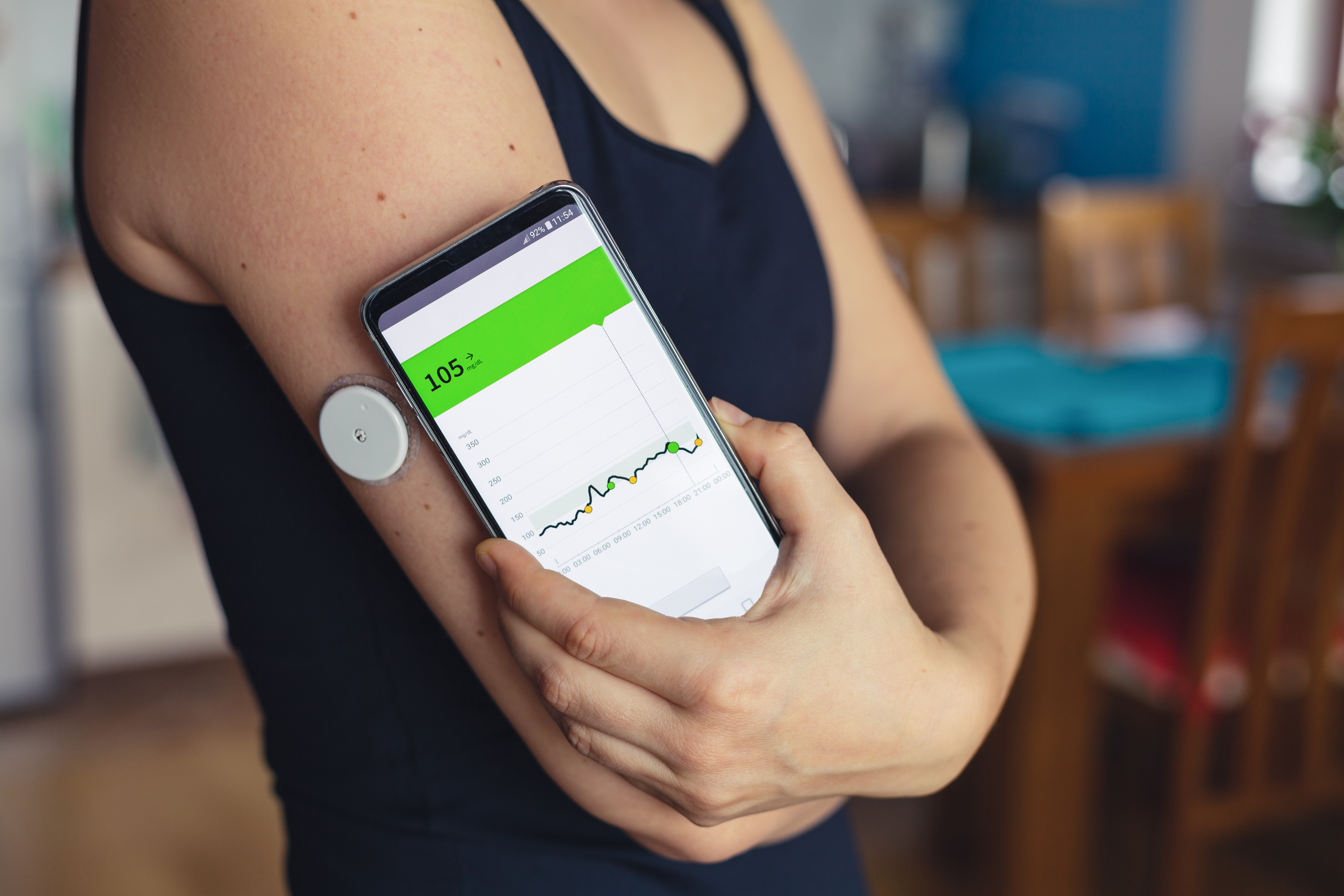
When people discuss “wearable blood sugar tracking” today, they are most often referring to Continuous Glucose Monitors (CGMs). Unlike a smartwatch, a CGM is a minimally invasive device. It uses a tiny sensor filament inserted just under the skin, typically in the arm or abdomen, to measure glucose levels in the interstitial fluid—the fluid surrounding your cells—rather than the blood itself.
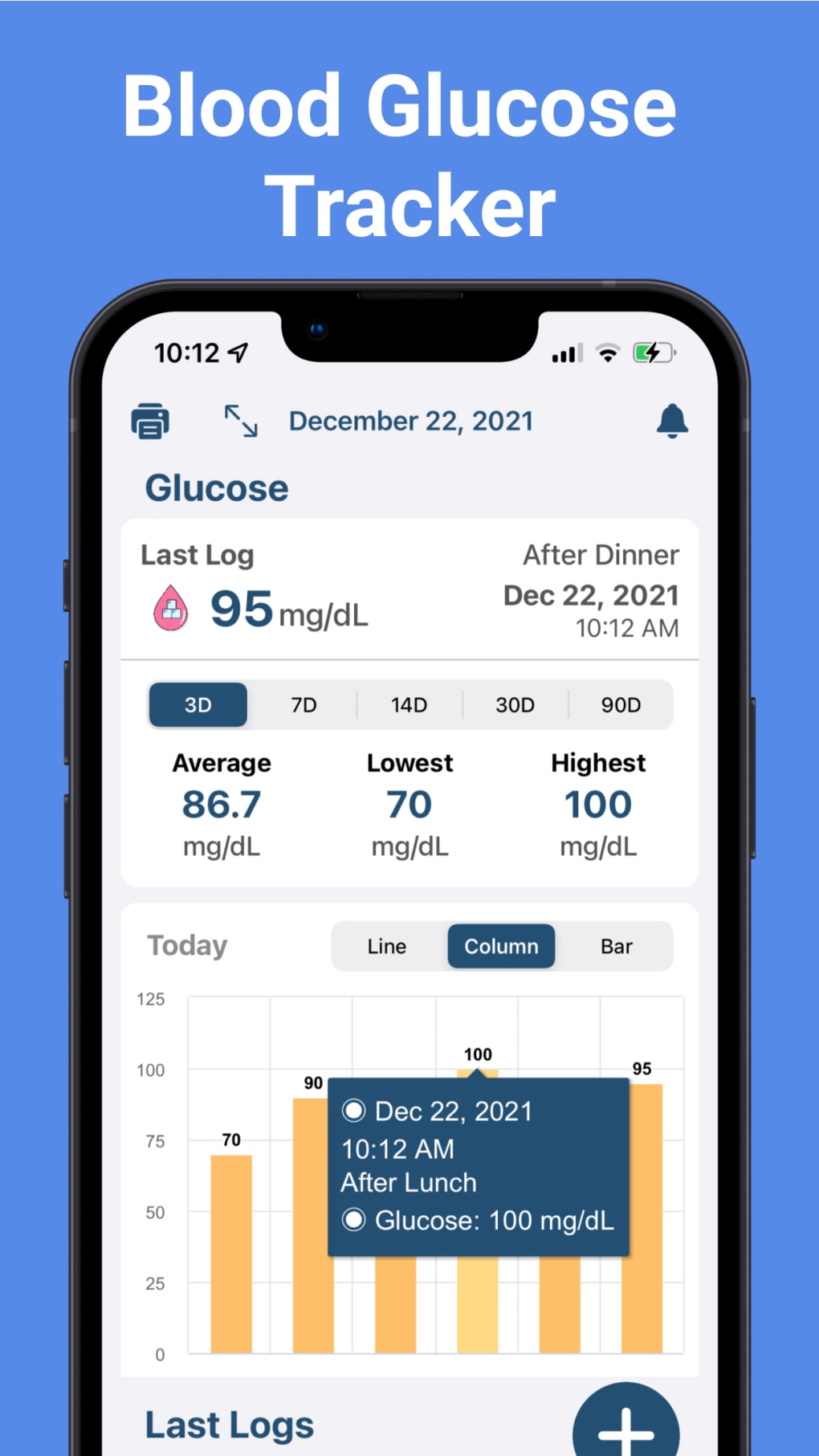
Industry leaders like Dexcom and Abbott have revolutionized this space. Their latest generations of sensors, such as the Dexcom G7 and FreeStyle Libre 3, are roughly the size of a coin and provide real-time data transmitted directly to a smartphone or a compatible smartwatch. This allows users to see their glucose trends in real-time, receiving alerts for hypoglycemia (dangerously low blood sugar) or hyperglycemia (dangerously high blood sugar) before they become critical.
The integration of CGM data into the broader wearable ecosystem is where the most immediate value lies. While an Apple Watch or a Garmin device cannot currently “sense” glucose on its own, they act as the primary display for CGM data. This creates a seamless loop where a user can see how a specific workout or a meal affects their glucose levels instantly on their wrist, bridging the gap between medical device and consumer lifestyle tech.
The Quest for Non-Invasive Monitoring
The true frontier is non-invasive glucose monitoring (NIBGM). This technology aims to measure glucose through the skin using light—a process known as spectroscopy. By shining specific wavelengths of infrared light into the tissue and measuring how that light is absorbed or scattered, researchers hope to determine the concentration of glucose in the blood without any skin penetration.
Apple has been widely reported to be investing heavily in this area, focusing on “silicon photonics” to shrink a spectrometer down to a size that can fit inside an Apple Watch. Similarly, Samsung has expressed a long-term goal of integrating non-invasive glucose monitoring into the Galaxy Watch series. The challenge is not just the hardware, but the “noise.” Glucose signals are incredibly faint and can be easily drowned out by other substances in the skin, changes in temperature, or the movement of the wearer.
Other players, such as Huawei and various startups, have claimed breakthroughs in this space. However, the transition from a controlled lab environment to a device that works on a diverse range of skin tones and body types in the real world has proven to be a massive engineering bottleneck. For these companies, the goal is to move beyond “trends” and provide an absolute number that a doctor can trust.
The Regulatory Warning: A Critical Safety Gap
Because the demand for non-invasive tracking is so high, a dangerous secondary market has emerged. A variety of low-cost smartwatches and smart rings have appeared on global marketplaces claiming to measure blood glucose without needles. For those managing a medical condition, these claims can be life-threatening.
The U.S. Food and Drug Administration (FDA) has issued explicit warnings to consumers, stating that no smartwatch or smart ring currently on the market is authorized to provide non-invasive blood glucose measurements. The FDA warns that relying on these unapproved devices to make treatment decisions—such as administering insulin—could lead to severe health complications or death due to inaccurate readings.
This regulatory wall is the primary reason why giants like Apple and Samsung have remained cautious in their public messaging. To market a device as a “glucose monitor,” it must undergo rigorous clinical trials to prove its accuracy across a massive population. Until a device receives FDA clearance or CE marking in Europe, it remains a wellness gadget, not a medical tool.
The Role of Wellness Rings and Bio-Markers
While they cannot measure glucose directly, wearables like the Oura Ring, Withings sensors, and others are focusing on “proxy markers.” These devices track data points that correlate with metabolic health, such as resting heart rate, sleep quality, and temperature fluctuations.
For example, a spike in resting heart rate or a drop in sleep quality can sometimes correlate with poor glycemic control or a “glucose crash” during the night. While this isn’t a glucose reading, it provides a holistic view of how the body is responding to metabolic stress. This approach shifts the focus from “What is my number right now?” to “How is my overall metabolic health trending over the last month?”
This “wellness-first” approach is likely where most consumer wearables will stay for the next few years. By providing data on activity, sleep, and recovery, these devices help users maintain the lifestyle habits—such as exercise and consistent sleep—that naturally help stabilize blood sugar levels, even without direct measurement.
Comparison: Current State of Glucose Tech
| Device Type | Method | Accuracy | FDA Status |
|---|---|---|---|
| Traditional Glucometer | Finger-prick (Blood) | High (Gold Standard) | Cleared |
| CGM (Dexcom/Abbott) | Subcutaneous Filament | High (Interstitial Fluid) | Cleared |
| Consumer Smartwatches | Optical/Proxy Data | Low/Experimental | Not Cleared for Glucose |
What Happens Next?
The path forward for wearables for blood sugar tracking is clear: the industry is moving toward a hybrid model. We will likely see a period where “wellness” wearables provide high-level metabolic trends, while “medical” wearables (CGMs) continue to provide the precision data required for insulin dosing. The ultimate goal—a completely non-invasive, FDA-cleared sensor in a watch—is closer than it was five years ago, but it is not yet a reality for the general consumer.
For users, the most important takeaway is to remain skeptical of any device that claims to replace a blood test without a clear, verifiable regulatory certification. The intersection of software and biology is an exciting frontier, but when it comes to blood chemistry, precision is not just a feature—it is a safety requirement.
The next major milestone to watch will be the upcoming regulatory filings and clinical trial results from the major tech players, which typically surface ahead of autumn hardware launches. We will continue to monitor these developments as they emerge.
Do you use a CGM or a wellness wearable to track your health? Share your experience in the comments below or share this article with someone navigating their metabolic health journey.
Worth a look
- iPhone 18 Pro Launch Projected for September 2026 Keynote Event
- Samsung Galaxy S27 Ultra Spotted Testing One UI 9.5 as Galaxy Z Fold 8 Gets First Update
- Why Honda Civic Type R EP3 and FN2 Still Define the Pure VTEC Spirit (newsdirectory3.com)
- Why Your Phone's Battery Still Drains When It's Completely Off (daybreakwire.com)