As the Northern Hemisphere approaches the summer solstice on June 21, 2026, the astrological transition into Cancer season marks a shift toward introspection and domestic focus. This period, beginning mid-June, coincides with the pre-shadow phase of Mercury retrograde, a time often associated with adjustments in communication and planning. For those tracking these movements, the week of June 15–21 serves as a bridge between the active energy of Gemini and the emotional depth characteristic of the Cancer zodiac sign, according to standard astronomical and astrological calendars.
The transition into Cancer, which typically occurs when the Sun enters the sign of the Crab, emphasizes themes of security, family, and emotional well-being. Simultaneously, the “shadow” period of Mercury—the time before the planet appears to move backward from Earth’s perspective—often prompts a review of ongoing projects. In professional or personal contexts, observers of these cycles often note that the mid-year point provides a natural juncture to reassess goals set earlier in the year. According to the National Aeronautics and Space Administration (NASA), Mercury’s orbital speed and proximity to the Sun create these frequent apparent retrograde motions, which are optical phenomena rather than physical shifts in the planet’s trajectory.
Understanding the Cancer Season Transition
Cancer season officially begins when the Sun reaches the summer solstice point, the moment the Sun reaches its highest position in the sky. For 2026, this event is scheduled for June 21. This transition is historically significant in many cultures as the longest day of the year in the Northern Hemisphere, marking the peak of solar influence. Astronomically, this is the result of the Earth’s axial tilt, as detailed by the Time and Date authority on global calendars and celestial events.
During the week of June 15–21, individuals often experience a shift in pace. While Gemini season is characterized by intellectual curiosity and rapid social interaction, the entry into Cancer invites a more grounded approach. This shift is not merely symbolic; it aligns with the seasonal change that dictates agricultural and biological cycles in temperate zones. Experts in chronology often highlight that the alignment of solar events with cultural expectations provides a consistent framework for human activity, even as the specific interpretations of these events vary significantly across different traditions and modern practices.
Mercury’s Shadow and Communication Cycles
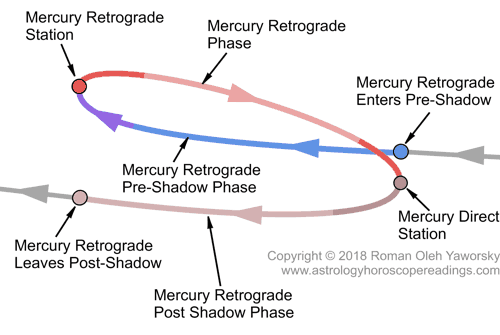
The “shadow” phase of Mercury refers to the period when the planet moves through the same degrees of the zodiac that it will later cover during its actual retrograde period. During the week of June 15–21, 2026, the pre-shadow phase begins, which some observers interpret as a warning to finalize important documents or clarify agreements before potential disruptions occur. While these interpretations are rooted in astrology, the underlying concept of “review and reflect” is a common theme in time-management and productivity circles, regardless of celestial alignment.
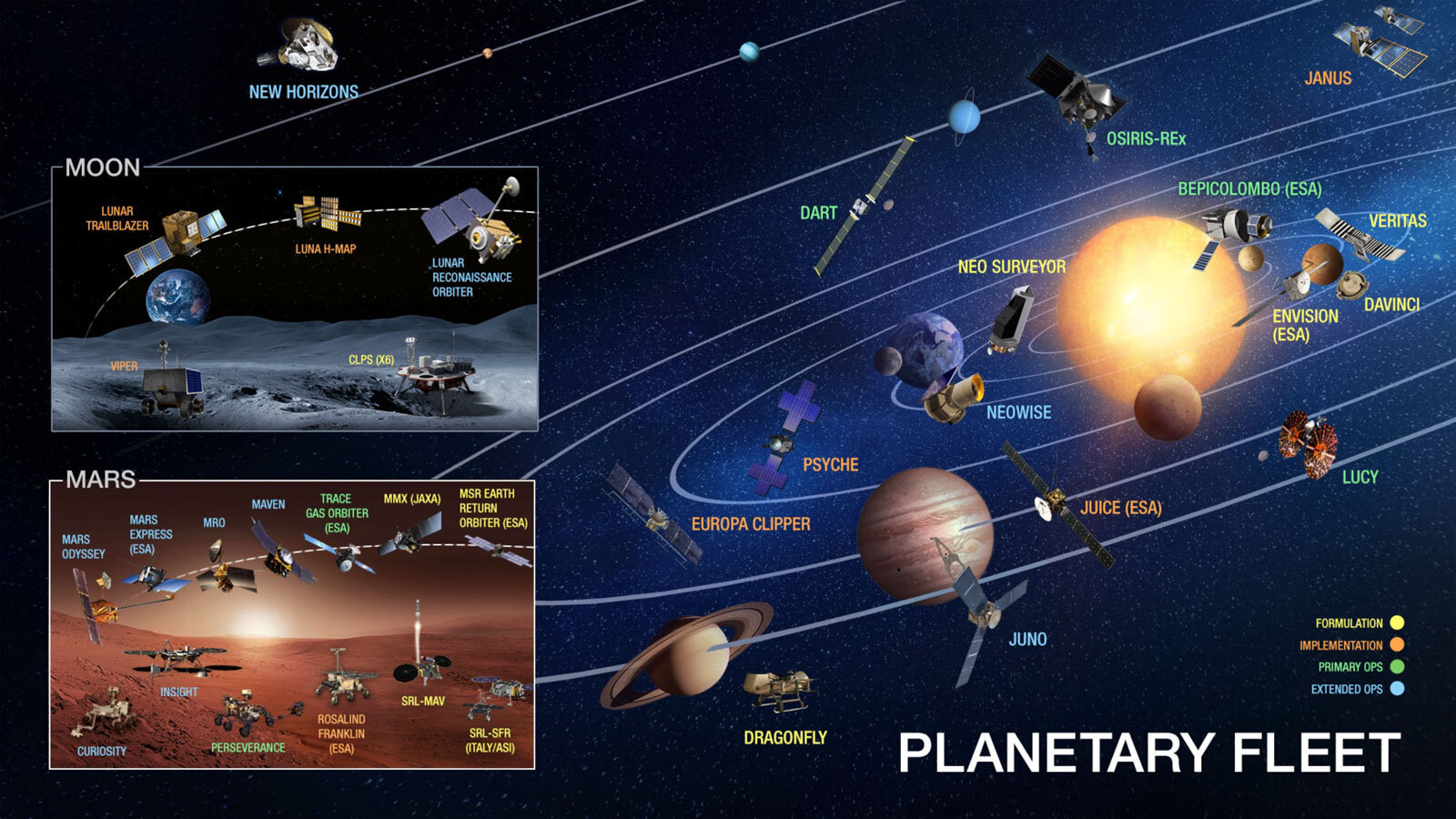
According to the NASA Solar System Exploration data, Mercury orbits the Sun every 88 Earth days. Its retrograde motion is a recurring event that happens approximately three to four times a year. Understanding that this is a predictable, recurring cycle allows for more effective planning, as individuals can anticipate potential communication delays or technical glitches that are often colloquially attributed to these planetary movements. By maintaining organized records and verifying information during these weeks, the risks associated with such periods can be mitigated.
Weekly Outlook: June 15–21, 2026
The week leading up to the solstice is generally perceived as a period of high energy followed by a cooling-off phase. For those following weekly planning cycles, the period between June 15 and June 21 offers a specific window for completion. The intersection of the Sun’s movement into a new sign and the onset of Mercury’s shadow suggests that the early part of the week is best utilized for initiating tasks, while the latter part of the week, approaching the solstice, is better suited for consolidation and emotional processing.
When comparing different interpretations of this week, a common theme emerges: the importance of adaptability. Whether viewed through the lens of seasonal transitions or celestial cycles, the message remains consistent—the environment is changing, and successful navigation requires a pivot from outward-facing activities to internal reflection. This period is often cited in almanacs as a time when professional and personal relationships require extra attention to detail to avoid misunderstandings that could arise as the communication-governing influence of Mercury begins its cycle of reappearance.
Practical Approaches to Mid-Year Planning
For individuals looking to align their schedules with these transitions, the following steps are recommended based on general productivity practices:
- Review ongoing projects: Use the week of June 15–21 to audit tasks that have been running since the start of the second quarter.
- Verify communication: As the Mercury shadow begins, double-check emails, contracts, and travel plans to ensure accuracy.
- Prioritize well-being: As the solstice approaches, incorporate time for rest to match the cooling, reflective energy associated with the start of the summer season.
- Document progress: Keep a record of achievements during this week to provide a clear benchmark for the remainder of the month.
The next major celestial checkpoint following the summer solstice is the peak of the summer heat and the subsequent transition into the next zodiacal sign in July. Readers are encouraged to monitor official meteorological reports and astronomical updates for more precise information regarding planetary positions and seasonal weather patterns. We invite our readers to share their own experiences with mid-year planning and how they manage transitions during the busy month of June in the comments section below.
Worth a look