
Escalating West Bank Violence: Attack, Retaliation, and a Cycle of Conflict
Recent events in the West Bank are fueling heightened tensions, marked by a deadly attack, subsequent military response, and a concerning pattern of violence from both sides. Understanding the complexities of this situation is crucial for grasping the fragile security landscape.
deadly Ramming Attack Triggers Military Operation
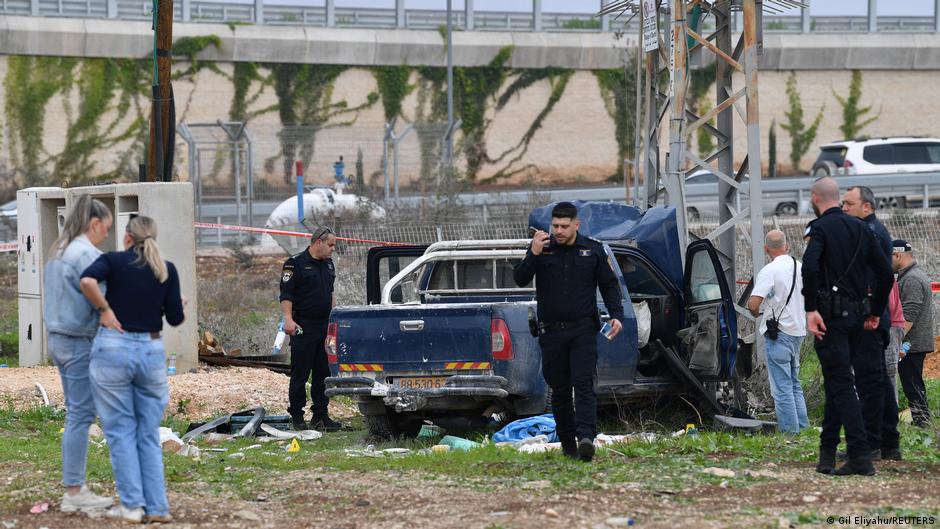
A Palestinian attacker carried out a ramming attack friday, injuring several Israelis.Israeli police identified the perpetrator as a resident of Qabatiya, alleging he used his employer’s vehicle in the assault. Following the incident,Defense Minister Israel Katz swiftly ordered a full-scale military operation in Qabatiya.
Katz directed troops to “act forcefully and immediately” against what he termed “terrorist infrastructure” within the city. He emphasized that anyone supporting or facilitating terrorism would face severe consequences. This response aligns wiht Israel’s established practice of conducting raids in the hometowns of attackers, a tactic justified as necessary for dismantling militant networks and preventing future attacks. However, human rights organizations criticize these actions as constituting collective punishment.
Military officials confirmed the launch of the operation in Qabatiya later Friday.
A Pattern of Violence and Rising Casualties
This attack occurred amidst a backdrop of escalating violence and heightened sensitivities. Just days prior,Israeli soldiers fatally shot a Palestinian teenager in the Qabatiya area. A military investigation is underway following the emergence of video footage suggesting the teenager posed no immediate threat at the time of the shooting.
Furthermore, a separate incident on Thursday involved an israeli military reservist, dressed in civilian clothes, intentionally ramming his vehicle into a Palestinian man. Disturbing social media footage appears to show the victim praying by the roadside when the attack occurred.
The escalating violence has resulted in a notable loss of life. United Nations data indicates that over 1,000 Palestinians have been killed in the West Bank between October 7,2023,and October 17,2025. most fatalities resulted from operations conducted by security forces, with a notable portion attributed to settler violence. During the same period, 57 Israelis were killed in attacks by Palestinians.
key Concerns and Ongoing Cycle
You can see a clear pattern emerging: violence begets violence. Here’s a breakdown of the core issues:
* Settler Violence: Reports indicate a concerning rise in attacks perpetrated by israeli settlers against Palestinians. These incidents often go unpunished, fostering a sense of impunity.
* Military Operations: Israeli military raids, while intended to counter terrorism, frequently result in civilian casualties and contribute to a cycle of resentment.
* Lack of Accountability: The perceived lack of accountability for both Israeli and Palestinian violence fuels further escalation.
* Collective Punishment: Critics argue that actions like widespread raids constitute collective punishment, violating international law and exacerbating tensions.
The situation in the West Bank remains deeply volatile. A lasting resolution requires addressing the root causes of the conflict, ensuring accountability for all acts of violence, and fostering a climate of trust and dialog. Without these critical steps, the cycle of violence will likely continue, endangering both Israelis and Palestinians.





