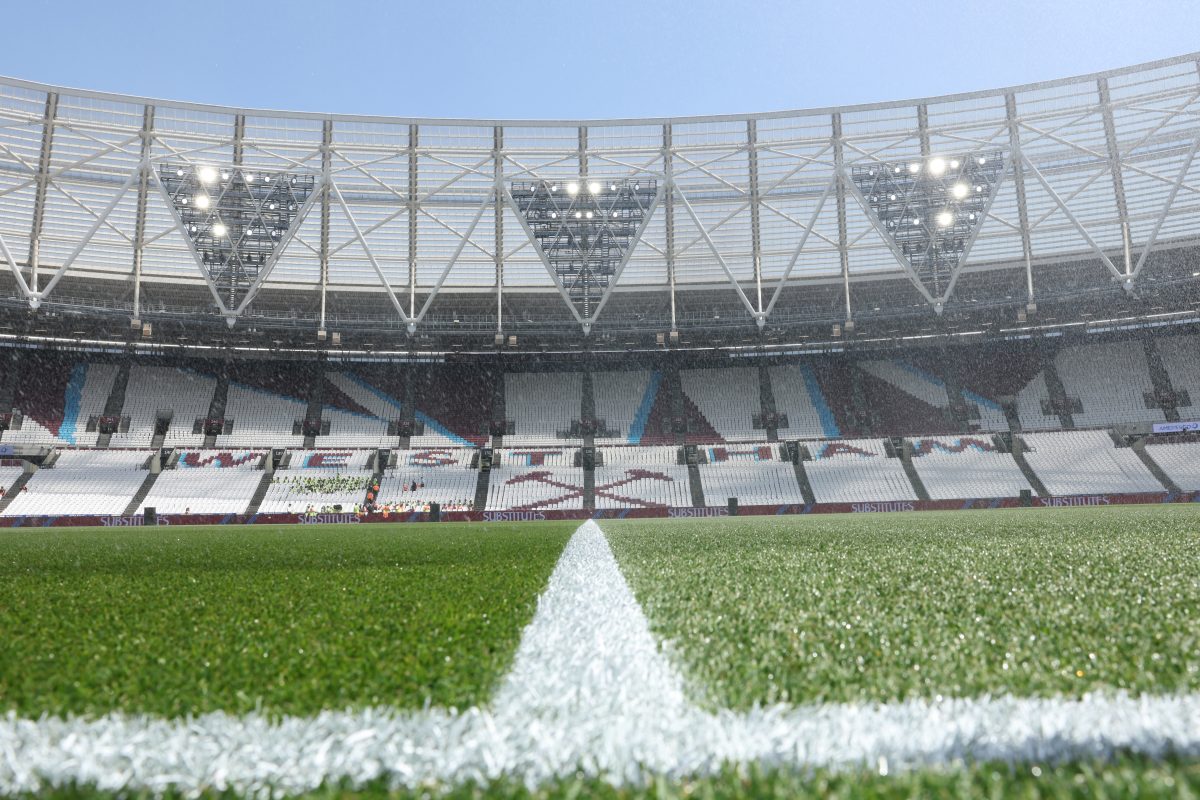
The long-term operating arrangement for London Stadium continues to run at a steep deficit, with the public-facing venue projected to finalise its accounts at an operating loss of approximately £19m annually. Lyn Garner, chair of the London Stadium LLP, disclosed the financial figures during a session with the London Assembly Economy Culture and Skills Committee, highlighting the enduring cost burdens carried by taxpayers for the former Olympic arena.
Under the controversial 99-year lease agreement signed in 2013 between then-Mayor of London Boris Johnson and West Ham United executives, the professional football club pays £4.6m in annual rent. That revenue stream is slated to drop further following the club’s relegation to the second tier of English football. Crucially, the foundational contract—co-signed by former West Ham vice-chair Baroness Karren Brady—contains no break clause exercisable by the Greater London Authority.
“We are going to finalise the accounts at around a £19m operating loss,” Lyn Garner told Assembly Members, according to MyLondon. “This is not unusual. It’s been in this ballpark for some time.”
Financial Pressures and Stadium Relegation Impacts
The financial health of the multi-use venue depends heavily on its summer event calendar, which varies significantly from year to year. Garner explained to the London Assembly committee that the 2025-26 fiscal period proved particularly challenging due to hosting only two summer concerts. By contrast, the stadium improved its revenue generation by hosting six major events over the summer months, including five concerts featuring acts such as Take That and Metallica, alongside the charity football match Soccer Aid.
Despite these commercial gains, the financial relief has been offset by structural reductions tied to athletic performance. According to stadium leadership, increased event revenue serves as one step forward while the contractual relegation reduction pulls finances backward, keeping the net operating loss anchored near the £19m mark. Commercial rights management has yielded better returns than in past years, but the stadium company remains fully responsible for all overhead costs, extensive repairs, and ongoing maintenance required for a major national sports and entertainment facility.
Contractual Friction and Executive Departures
The financial scrutiny arrives amid a period of substantial leadership upheaval at West Ham United. Both Baroness Karren Brady and joint-chair David Sullivan have stepped down from their roles in recent months. Sullivan’s departure followed what was described as impending historic personal allegations.
Relations between stadium management and the football club have experienced persistent strain over the lifetime of the agreement. Garner told Assembly Members that historical ties with the club have been quite tense, marked by persistent disagreements over the legal interpretations of the 2013 contract. While acknowledging the immense financial pressure placed on taxpayers, Garner expressed pessimism regarding any structural overhaul, stating that she would like to see the entire arrangement set aside and renegotiated from scratch, though she views such a prospect as unlikely.
Future Events and Revenue Opportunities
Stadium authorities are looking toward upcoming international fixtures to help mitigate mounting operational deficits. The London Stadium remains positioned to host the 10-day World Athletics Championships in 2029, a prospect backed by central government support. However, realizing potential financial returns from the global athletics showcase depends on resolving lingering reluctance from West Ham United regarding the length of time the football pitch would be taken out of action.
Further updates regarding the stadium’s financial performance and contractual reviews are expected during upcoming London Assembly committee hearings and subsequent municipal budget filings.
Worth a look