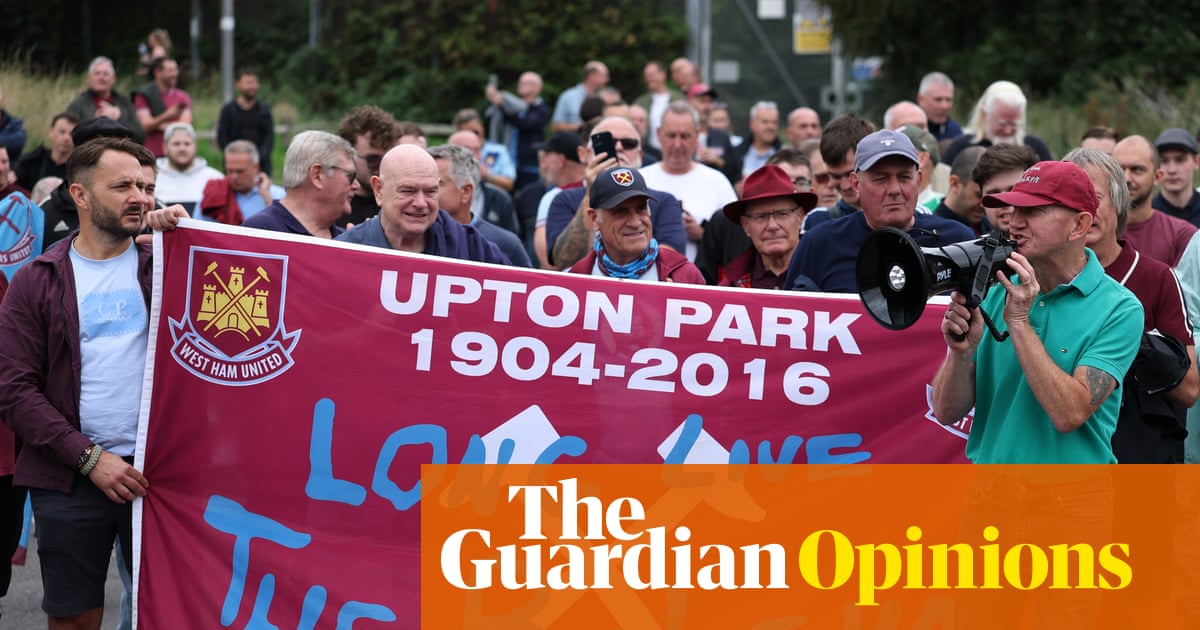
The Fading heart of West Ham: A Club Disconnected From Its Roots
West Ham United, a club steeped in tradition and East London identity, finds itself at a crossroads. Despite existing within a hotbed of footballing talent and enjoying significant financial resources, the Hammers are struggling to cultivate homegrown stars and connect with a disillusioned fanbase. This isn’t simply a footballing problem; it’s a reflection of a wider societal shift impacting communities like East London.
The Lost Generation of Talent
For a club historically renowned for developing players, the current situation is stark. Remarkably, no academy graduate born since 2000 has cemented a regular starting position in the Premier League. Consider the potential within reach:
* Ezri Konsa honed his skills at nearby Senrab.
* Rio Ngumoha learned the game in Newham’s five-a-side cages.
* Ayden Heaven progressed through the West Ham academy until age 13.
The under-18s even secured a Youth Cup victory recently, yet these promising talents aren’t breaking into the first team. Why? Opportunity,circumstance,or simply being outbid by wealthier clubs seem to be the prevailing factors.Local talent is no longer guaranteed a pathway to flourish at the London Stadium.
Financial Disparity and Fan Disconnect
The money is there. Premier League revenue, European competition earnings, the considerable fee received for Declan Rice, consistent sell-out crowds, and changes to ticket pricing all point to financial health. Yet, this wealth isn’t translating into on-field success or tangible benefits for the community.
This disconnect fuels a growing sense of bitterness between supporters and the ownership. Fans feel increasingly priced out while witnessing what they perceive as wasteful spending and a lack of long-term vision.The owner’s increasing distance and the vice-chair’s attempts to downplay concerns only exacerbate the problem.
A Symptom of Larger Societal Issues
The story of West Ham extends beyond football. It’s a parable of loss, displacement, and a feeling of powerlessness. East london, like many urban communities, has undergone rapid gentrification, leaving residents feeling uprooted and stripped of their identity. Investment flows in, but rarely benefits those who have long called the area home.
You feel a sense of your hard work and dedication benefiting others, not yourself. This sentiment resonates deeply with West Ham supporters who have witnessed their community transformed around them.
The Ghosts of Upton Park
A visit to the former Boleyn Ground offers a poignant reminder of what’s been lost. The stadium has been replaced by housing developments. Familiar landmarks have vanished:
* Ken’s Café is now Bad Boyz Diner.
* The supporters’ club is now a gym.
You can now purchase a flat in Lyall House or Sealey Tower,walk along Ironworks Way,or visit the Boleyn Ground memorial garden. These new spaces offer modern amenities – a 24-hour concierge, private balconies – but lack the soul and history of the old ground.
Perhaps the question isn’t who West Ham are anymore, but where they are. The club’s identity feels increasingly detached from the community it once represented.
Looking Ahead: Reclaiming the Identity
For West ham to regain its footing, a fundamental shift is needed. It requires more than just financial investment; it demands a renewed commitment to its roots, a genuine connection with its supporters, and a long-term vision that prioritizes community and lasting growth. The club must rediscover its identity, not as a commercial entity, but as the heart of East London football.
Expert Insight: The challenges facing West Ham are not unique.Many clubs are grappling with the pressures of modernization and the widening gap between ownership and supporters. However, West Ham’s situation is notably acute due to its deep historical ties to its community. Successfully navigating this period will require a willingness to listen to fans, invest in local talent, and prioritize the long-term health of the club over short-term profits.
Worth a look