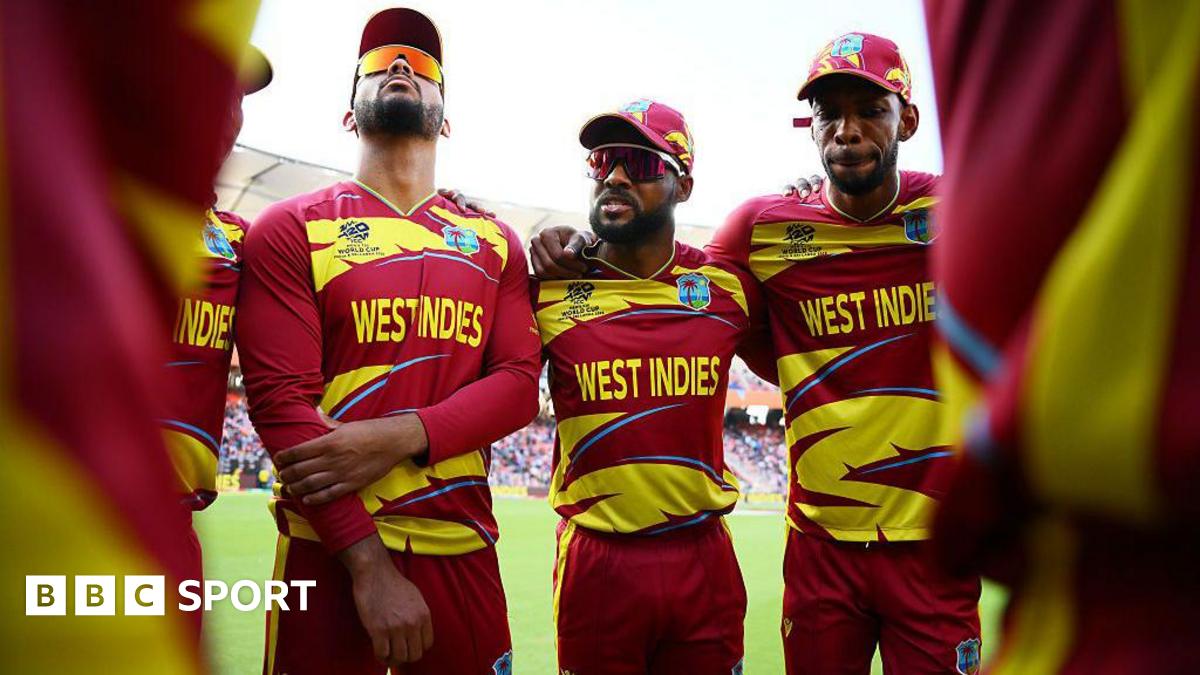
Kolkata, India – The West Indies cricket team is making arrangements to return home from India via commercial flights after a frustrating delay in securing a charter flight following their elimination from the ICC Men’s T20 World Cup. The situation, described as “distressing” by Cricket West Indies (CWI), highlights logistical challenges exacerbated by global tensions and aviation regulations. The team had been stranded in Kolkata since their final match on March 1st, awaiting transportation organized by the International Cricket Council (ICC).
The delay has drawn criticism from players and officials, with concerns raised about the wellbeing of the squad. CWI stated that repeated postponements of the ICC-arranged charter flight prompted them to seek alternative travel arrangements. This decision, made in the interest of player safety, involved coordinating with the ICC and various partners to secure commercial flights for the team’s return to the Caribbean. Some players and support staff have already departed, with the remaining members scheduled to leave on Tuesday and Wednesday, according to reports.
T20 World Cup Exit and Travel Disruptions
The West Indies’ campaign in the T20 World Cup concluded with a series of disappointing results, ultimately leading to their elimination from contention. Their final match, played on March 1st, marked the finish of their participation in the tournament. The team’s struggles on the field were compounded by the subsequent difficulties in arranging their return journey. The current travel disruptions are, in part, attributed to the ongoing conflict in the Middle East, which has impacted air travel routes and availability.
The ICC had initially planned to organize charter flights for both the West Indies and the South African teams, who were likewise facing travel complications after their respective exits from the tournament. However, the repeated delays in confirming the charter arrangements led CWI to take independent action. The organization emphasized the importance of prioritizing the health and safety of its players and staff, leading to the decision to pursue commercial flight options.
ICC Responds to Bias Accusations
The situation has also sparked accusations of bias directed towards the ICC, particularly after England’s team was able to return home sooner following their semi-final loss. These claims prompted a response from the ICC, which categorically denied any preferential treatment. The ICC maintains that it is working to resolve the travel issues for all participating teams, but acknowledges the complexities involved in coordinating international travel amidst current global challenges.
The timing of England’s departure fueled speculation, but the ICC has insisted that all teams are being treated equally. The organization has cited logistical hurdles and the impact of global events as contributing factors to the delays experienced by the West Indies and South Africa. The situation underscores the challenges faced by international sporting bodies in navigating complex geopolitical landscapes and ensuring the smooth operation of major tournaments.
Pollard’s Assessment of West Indies’ Performance
Despite the travel difficulties, attention has also turned to the West Indies’ overall performance in the T20 World Cup. Former captain Kieron Pollard has offered a measured assessment, giving the team a “passing grade” for their efforts. Whereas acknowledging areas for improvement, Pollard highlighted the team’s resilience and competitiveness throughout the tournament. His comments provide a perspective on the team’s performance beyond the immediate travel challenges.
Pollard’s assessment suggests a focus on building for the future, despite the disappointing results. He likely recognizes the necessitate for continued development and investment in the team to ensure sustained success in international competitions. The focus on a passing grade indicates a willingness to acknowledge shortcomings while also celebrating the team’s positive attributes.
Impact on South Africa’s Travel Plans
The travel disruptions are not limited to the West Indies team. South Africa is also facing challenges in arranging their return flights from India. BBC Sport has contacted Cricket South Africa to ascertain their plans, but details remain unclear as of this reporting. The situation highlights the widespread impact of the logistical issues stemming from the ICC’s initial charter flight arrangements.
The delays experienced by both the West Indies and South Africa underscore the need for robust contingency plans in international sporting events. The complexities of coordinating travel for multiple teams, particularly in the context of global instability, require careful planning and proactive communication. The ICC is likely to review its procedures to mitigate similar issues in future tournaments.
Ongoing Uncertainty and Player Welfare
The ongoing uncertainty surrounding the travel arrangements has understandably caused distress among the players and support staff of both teams. CWI emphasized that the wellbeing of its representatives was the primary consideration in its decision to pursue commercial flights. The organization’s proactive approach reflects a commitment to prioritizing the health and safety of its athletes.
The situation serves as a reminder of the human element in international sports. Beyond the competition and the results, the athletes are individuals with personal commitments and concerns. Ensuring their comfort and safety is paramount, particularly when faced with unforeseen challenges. The ICC and CWI are working to resolve the travel issues as quickly as possible to minimize the disruption to the players’ lives.
Looking Ahead: ICC Review and Future Contingency Plans
The ICC is expected to conduct a thorough review of the events surrounding the travel disruptions to identify areas for improvement. This review will likely focus on the effectiveness of its charter flight arrangements, the communication protocols with participating teams and the contingency plans in place to address unforeseen circumstances. The goal is to prevent similar issues from arising in future tournaments.
The lessons learned from this experience will be valuable in shaping the ICC’s approach to logistical planning for major sporting events. The organization will likely prioritize greater flexibility and redundancy in its travel arrangements, as well as enhanced communication with teams and stakeholders. The aim is to ensure a smoother and more efficient experience for all participants.
The West Indies cricket team’s journey home, though delayed and frustrating, is nearing completion. The focus now shifts to the ICC’s response and the implementation of measures to prevent similar disruptions in the future. The incident serves as a reminder of the complexities involved in organizing international sporting events and the importance of prioritizing player welfare in the face of unforeseen challenges. The remainder of the West Indies party is expected to depart India on Tuesday and Wednesday, bringing an end to a difficult chapter for the team.
The ICC has not yet announced a timeline for the completion of its review. Updates on the situation, including any further developments regarding the South Africa team’s travel arrangements, will be provided as they become available. Fans and stakeholders are encouraged to follow official ICC and CWI channels for the latest information.
Key Takeaways:
- The West Indies cricket team is returning home via commercial flights after delays in securing an ICC-arranged charter.
- The delays were attributed to global tensions and aviation regulations.
- CWI prioritized player wellbeing in making the decision to seek alternative travel arrangements.
- The ICC is facing criticism and is expected to review its logistical procedures.
- South Africa is also experiencing travel difficulties following their T20 World Cup exit.