
In an era defined by the “Great Reshuffle” and a global shift toward purpose-driven labor, the traditional approach to career development is undergoing a profound transformation. For decades, vocational guidance was a linear process: education, entry-level placement, and steady ascent within a single industry. However, as modern workers increasingly prioritize psychological fulfillment and alignment between personal identity and professional roles, a new trend has emerged. Professionals are looking beyond standard aptitude tests, turning instead to personality-driven frameworks—including the ancient archetypes of astrology—to seek a deeper sense of vocational alignment.
This search for the “right” career is no longer just about salary or stability. it is about finding a role that resonates with an individual’s innate temperament. Whether through the lens of modern psychological metrics or the symbolic language of zodiac signs, the underlying objective remains the same: to bridge the gap between who a person is and what they do for a living. This intersection of identity and industry is creating a massive market for career coaching, personality assessment, and specialized vocational guidance.
As we navigate a labor market that demands high levels of emotional intelligence and specialized skill sets, understanding the nuances of professional suitability has become a critical component of long-term career success. This feature explores the psychological drivers behind this trend, the role of archetypal frameworks in career pathing, and how modern professionals can effectively use personality insights to optimize their professional development.
The Psychology of Career Alignment and Job-Person Fit
At the heart of the modern career crisis is the concept of “job-person fit.” In organizational psychology, this refers to the compatibility between an individual’s characteristics and the requirements of their work environment. When this alignment is high, employees report greater job satisfaction, higher productivity, and increased longevity within their roles. Conversely, a lack of alignment often leads to burnout, disengagement, and high turnover rates—costs that are increasingly felt by global enterprises.
The drive to understand one’s own temperament is a logical response to a volatile economy. As industries are disrupted by automation and AI, the ability to identify “human-centric” strengths becomes a vital survival mechanism. This has led to a resurgence in interest in personality-driven careers, where individuals seek roles that complement their natural inclinations rather than fighting against them.
While traditional psychometric tools like the Massive Five personality traits or the Myers-Briggs Type Indicator (MBTI) have long been the standard in corporate settings, they are often viewed as clinical or overly rigid. This has opened a cultural space for more symbolic and narrative-based frameworks. For many, these tools provide a more holistic or “humanized” way to discuss professional tendencies, allowing for a more intuitive approach to career pathing and self-reflection.
Understanding Archetypes: The Role of Astrology in Professional Self-Reflection
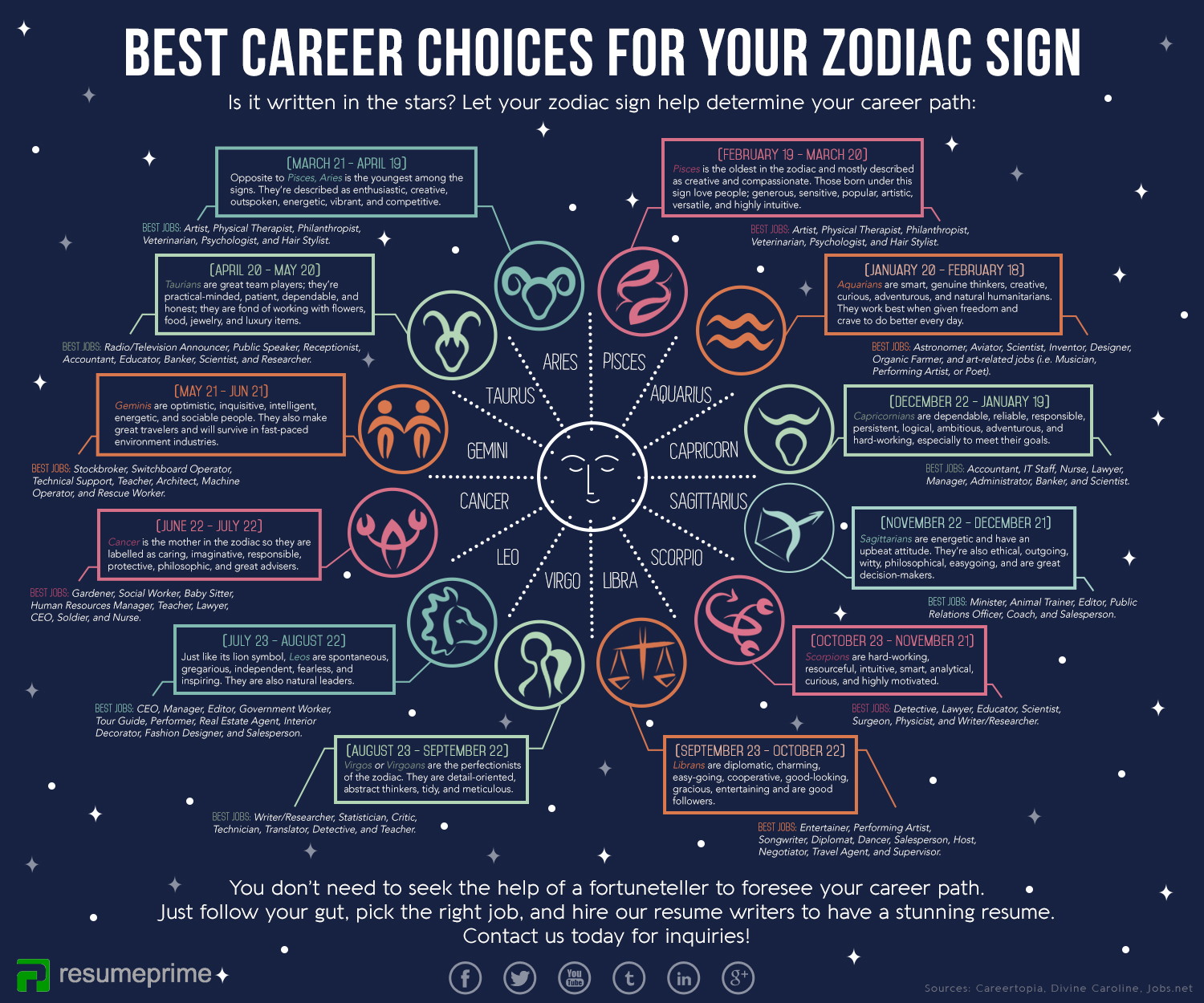
While astrology is not a scientific metric used in corporate recruitment, its rise in the professional self-help space cannot be ignored. For many, astrological archetypes serve as a mirror, providing a vocabulary to describe complex personality traits that standard tests might miss. In the context of career alignment, zodiac signs are often used as a shorthand for specific professional temperaments.
For example, within these frameworks, certain signs are associated with high-stakes leadership and entrepreneurial drive, while others are linked to analytical precision or creative expression. What we have is not merely about superstition; it is about the use of archetypes to facilitate a conversation about professional suitability. By categorizing traits into recognizable patterns, individuals can begin to ask critical questions about their current roles:

- Does my current workload allow for the autonomy my temperament requires?
- Am I in an environment that rewards my natural communication style?
- Does my professional responsibility align with my innate capacity for risk or stability?
The use of these symbolic frameworks often acts as a “gateway” to more serious vocational guidance. A professional might start by exploring how their zodiac sign relates to their career, only to find that the exercise leads them toward deeper coaching regarding their leadership style, emotional intelligence, or long-term economic goals. In this sense, astrology functions as a cultural tool for introspection in a high-pressure professional world.
Navigating the Intersection of Personality and Productivity
The challenge for the modern professional is to translate these personal insights into actionable career strategies. Identifying a “natural” inclination is only the first step; the second is determining how that inclination can be leveraged within the constraints of the global economy. There is a delicate balance between honoring one’s temperament and developing the skills necessary to meet market demands.
For instance, an individual may identify with a temperament that favors creative, unstructured environments. However, the most lucrative opportunities in certain sectors may require a high degree of structure and adherence to regulatory frameworks. Successful career pathing involves finding the “middle ground”—seeking roles that offer the creative freedom they crave while still providing the stability and growth potential required for long-term financial security.
This requires a sophisticated approach to professional development. Rather than choosing a career based solely on an archetype, professionals are increasingly adopting a “skills-first” mindset. So identifying the core competencies that align with their personality and then aggressively acquiring the technical certifications and experience needed to dominate those specific niches. This method turns an innate tendency into a measurable competitive advantage.
Key Takeaways for Vocational Alignment
- Prioritize Temperament: Recognize that job satisfaction is deeply tied to how well your daily tasks match your natural personality.
- Use Archetypes as Mirrors: Treat personality frameworks—whether psychological or symbolic—as tools for reflection rather than absolute destiny.
- Bridge the Gap: Combine your innate strengths with rigorous skill acquisition to ensure marketability.
- Monitor Burnout: Use self-awareness to identify when a role is fundamentally misaligned with your temperament before it leads to professional exhaustion.
The Future of Work: Personalization at Scale
As we look toward the future, the trend toward personalized career development is likely to accelerate. We are moving away from the era of “one-size-fits-all” employment and toward a more fragmented, specialized, and highly individualized workforce. The rise of the “gig economy” and remote work has further empowered individuals to curate their professional lives according to their specific needs, and personalities.
Technological advancements in AI and data analytics are also poised to change how we approach vocational guidance. We may soon see sophisticated tools that can map an individual’s psychological profile against real-time market data, suggesting not just “what” Make sure to do, but “how” and “where” you will be most successful. The goal is a seamless integration of the self and the profession.
the search for the “correct” profession is a search for meaning. In an increasingly complex world, the ability to understand oneself is perhaps the most important professional asset an individual can possess. Whether through a PhD-level economic analysis of labor trends or a personal reflection on one’s zodiac sign, the journey toward career alignment is a fundamental part of the modern human experience.
Frequently Asked Questions
Is it effective to use astrology for career decisions?
While astrology is not a validated scientific method for career placement, many individuals find value in using its archetypes as a way to prompt self-reflection and identify personality trends that they might not otherwise articulate.
How can I tell if my career is misaligned with my personality?
Signs of misalignment often include chronic fatigue, a lack of engagement with tasks that should be stimulating, and a feeling of “acting” a part rather than being yourself during work hours. These are often indicators that your professional role is at odds with your innate temperament.
Should I prioritize my personality or market demand?
The most sustainable career strategy is a hybrid approach. You should seek to align your personality with a sector that has strong market demand and growth potential. This ensures both personal satisfaction and long-term economic stability.
Next Steps: As organizations continue to evolve their talent management strategies, keep an eye on upcoming reports from the World Economic Forum regarding the future of work and the increasing importance of soft skills and personality-fit in the global labor market.
What are your thoughts on the role of personality in career choice? Have you ever used personality frameworks to navigate a professional transition? Share your experiences in the comments below and share this article with your professional network.