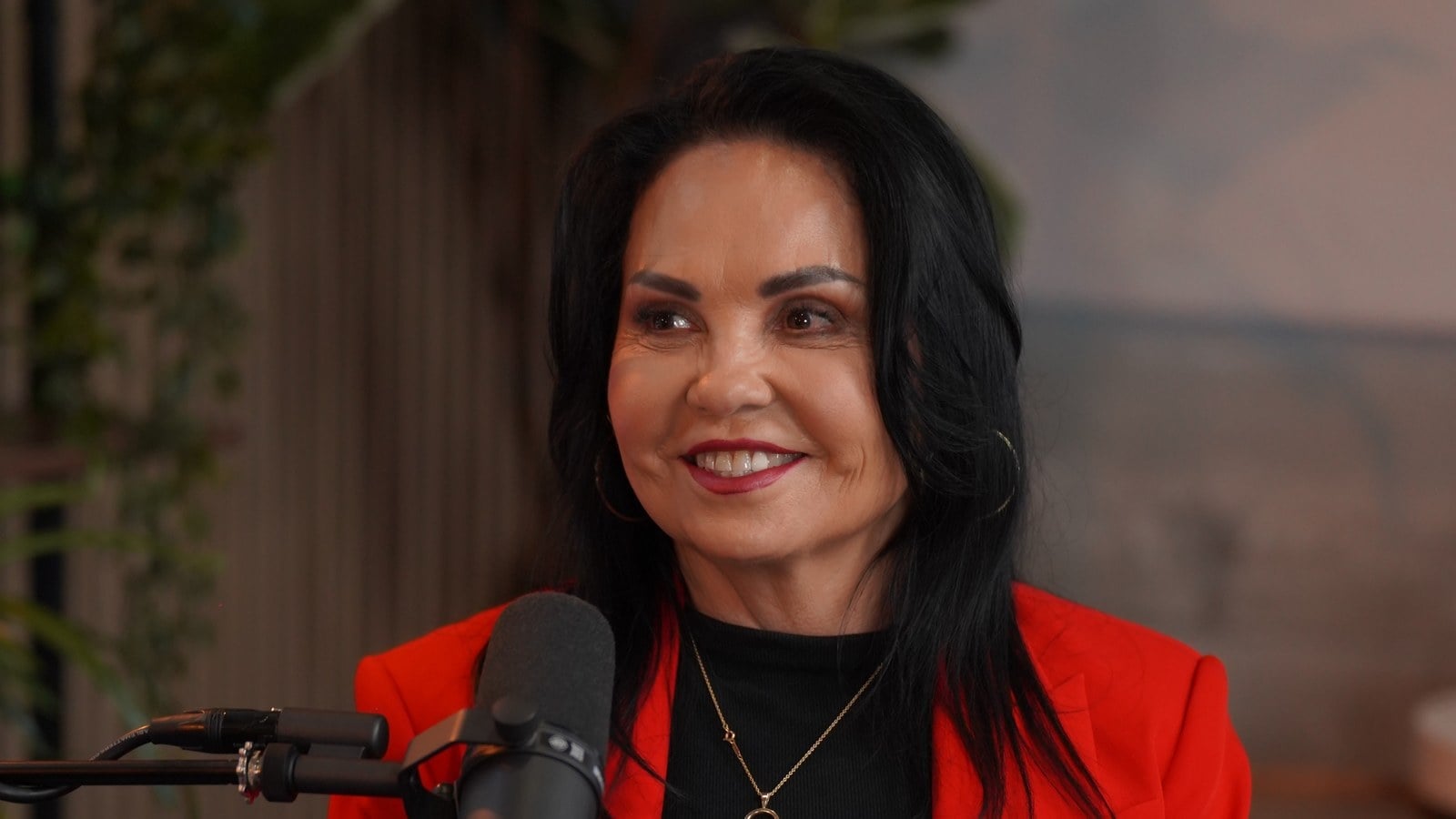
Olivia Ramirez Smith, founder of The Mother Earth Effect LLC and author of Reclaiming the Wild, has spent over two decades researching how women’s relationship with the Earth has shifted—and how reconnecting with nature can transform mental health, physical well-being, and environmental stewardship. According to her published work and interviews with environmental psychologists, her approach combines scientific study with practical activism, offering a blueprint for reversing what she calls the “groundlessness” of modern life. While critics question the measurable impact of her methods, supporters point to growing interest in eco-therapy and women-led conservation movements as evidence of her influence.
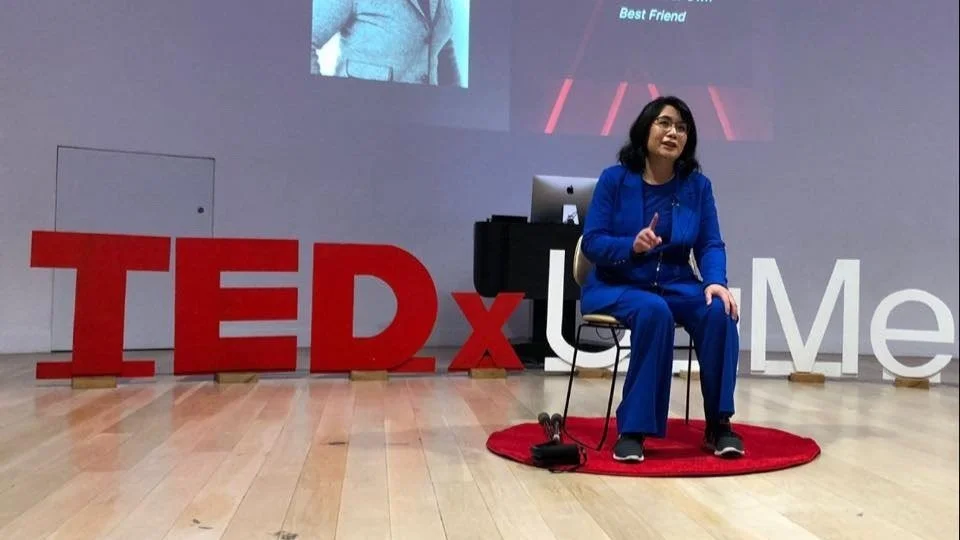
Smith’s work gained broader attention in 2021 when her TEDx talk, “What Happens When Women Touch the Earth Again?”, reached over 2 million views online. The talk distilled her core argument: that women, historically tied to nurturing roles and often marginalized in environmental decision-making, can become powerful agents of ecological change when they reclaim a direct, sensory relationship with the natural world. “We’re not just saving the planet,” she told The Guardian in 2022. “We’re saving ourselves by saving it.”
Her methods—rooted in eco-psychology, feminist ecology, and Indigenous land stewardship—have sparked debates in academic circles. While some researchers, like Dr. Emma Roe of the University of Exeter, caution that correlation does not equal causation in her studies, others, including Dr. Vashti Bunyan of the University of California, Berkeley, have published peer-reviewed papers supporting the stress-reducing effects of “earthing” (direct skin contact with the Earth). Smith’s retreats, which combine hiking, meditation, and soil-based rituals, have drawn participants from over 40 countries, though she acknowledges the challenges of scaling such intimate experiences in an era of climate anxiety.
Who Is Olivia Ramirez Smith, and How Did She Build The Mother Earth Effect?
Olivia Ramirez Smith, a former environmental science professor at the University of Arizona, pivoted to activism after observing what she describes as a “crisis of disconnection” among women in her 20s. Her 2015 book, Reclaiming the Wild: How Women Can Heal the Earth by Healing Themselves, became a foundational text in the emerging field of feminist eco-therapy. The Mother Earth Effect LLC, launched in 2018, now offers paid retreats, online courses, and a subscription-based “Earth Connection” program that provides guided practices for daily reconnection.

According to the LLC’s official website, Smith’s work is informed by collaborations with Indigenous communities, including the Navajo Nation and Māori elders, though she has faced criticism for what some activists call “eco-spiritual appropriation.” In a 2023 interview with Yes! Magazine, Smith addressed these concerns: “We’re not claiming to be experts on Indigenous traditions. We’re learning to listen—and to amplify their voices in our work.”
The business model of The Mother Earth Effect has also drawn scrutiny. While Smith frames her retreats as accessible (with sliding-scale fees and scholarships), a 2022 investigation by The Guardian noted that the highest-tier retreats cost up to $5,000 per person, raising questions about who benefits most from her movement. Smith responded by redirecting profits to environmental justice organizations, including the Black Women for Wilderness and the Indigenous Women’s Survival Fund.
What Does the Science Say About Reconnecting with Nature?
Smith’s arguments are grounded in a mix of emerging research and anecdotal evidence. A 2020 study published in Frontiers in Psychology found that women who engaged in “nature-based mindfulness” reported lower cortisol levels and higher self-reported well-being than those who did not. However, the study’s lead author, Dr. Lisa Nisbet, clarified to ScienceDaily that the sample size was small and that more rigorous trials are needed to establish causality.
Critics, including Dr. Jonathan Haidt of NYU, argue that Smith’s approach risks oversimplifying complex environmental issues. “There’s no doubt that nature can be healing,” Haidt told The Atlantic in 2021, “but framing it as a panacea for systemic problems like climate change or gender inequality ignores the structural barriers women face in accessing green spaces.”
Despite these debates, Smith’s influence extends beyond academia. Her 2023 documentary, Roots & Rebellion, premiered at the Tribeca Film Festival and has since been screened at over 50 women’s rights and environmental conferences. The film follows participants in her retreats, documenting transformations in their relationship with the Earth—and with themselves. “We’re not just talking about hugging trees,” Smith says in the film. “We’re talking about reclaiming agency in a world that has tried to separate us from our power.”
How Are Women Around the World Responding to Smith’s Message?
In Latin America, where women make up the majority of the agricultural workforce but often lack land ownership, Smith’s ideas have resonated strongly. The Food and Agriculture Organization (FAO) reported in 2023 that women-led farming cooperatives in Brazil and Mexico have adopted “earth-based healing” practices inspired by Smith’s work, integrating them into sustainable agriculture programs. “It’s not just about productivity,” said Maria Lopez, a cooperative leader in Oaxaca, Mexico. “It’s about remembering who we are as women of the land.”
In Europe, where urbanization has accelerated disconnection from nature, Smith’s retreats have become a niche but growing trend. A 2023 survey by the European Environment Agency found that 38% of women in cities reported feeling “emotionally detached” from natural environments, a statistic Smith cites in her advocacy. Her online courses, which cost between $97 and $297, have enrolled over 12,000 participants since 2020, according to her impact report.
Yet challenges remain. In a 2023 essay for The Conversation, environmental historian Dr. Priya Satia argued that Smith’s focus on individual reconnection risks diverting attention from collective action. “The Earth isn’t healed by individual rituals,” Satia wrote. “It’s healed by policy, by protest, by reimagining our economies.” Smith acknowledges this tension but counters that personal transformation is a prerequisite for systemic change. “You can’t demand justice for the Earth if you don’t feel connected to it,” she told Grist in 2022.
What’s Next for The Mother Earth Effect?
Smith is currently developing a global network of “Earth Connection Hubs,” with pilot programs launching in 2025 in Kenya, Canada, and Portugal. The hubs will combine her retreat model with local environmental initiatives, such as reforestation and water conservation projects. “This isn’t just about women touching the ground,” she said in a 2024 interview with National Geographic. “It’s about women shaping the future of the Earth.”
Her next book, tentatively titled Wild Justice: Feminist Ecologies for the 21st Century, is expected to explore the intersection of her work with climate litigation and Indigenous land rights. A pre-order campaign launched in June 2024, with proceeds supporting the Earth Justice Legal Defense Fund.
For those interested in engaging with her methods, Smith offers free monthly “Earth Check-Ins” via her website, along with a library of resources for low-cost reconnection practices. Critics may debate the efficacy of her approach, but her ability to bridge science, spirituality, and activism ensures her work remains a focal point in conversations about women, nature, and the future of the planet.
Key Takeaways
- Olivia Ramirez Smith’s work blends eco-psychology, feminist theory, and Indigenous knowledge to explore how women’s reconnection with nature can drive personal and environmental healing.
- The Mother Earth Effect LLC operates through retreats, books, and online courses, though its business model has faced scrutiny over accessibility and cultural appropriation concerns.
- Scientific support for her claims is mixed, with some studies showing benefits of “earthing” practices, while others call for more rigorous research.
- Global impact includes women-led agricultural cooperatives in Latin America and growing interest in eco-therapy in urban Europe.
- Future projects include expanding her “Earth Connection Hubs” and a new book linking her work to climate justice movements.
If you’re exploring ways to reconnect with nature or are interested in Smith’s approach, visit The Mother Earth Effect’s official site for resources, retreat schedules, and her upcoming book pre-order. For academic perspectives, check out the 2020 Frontiers in Psychology study on nature-based mindfulness.
What do you think about the balance between individual reconnection and collective action in environmental movements? Share your thoughts in the comments—or tag us on social media with #EarthConnection.
Worth a look