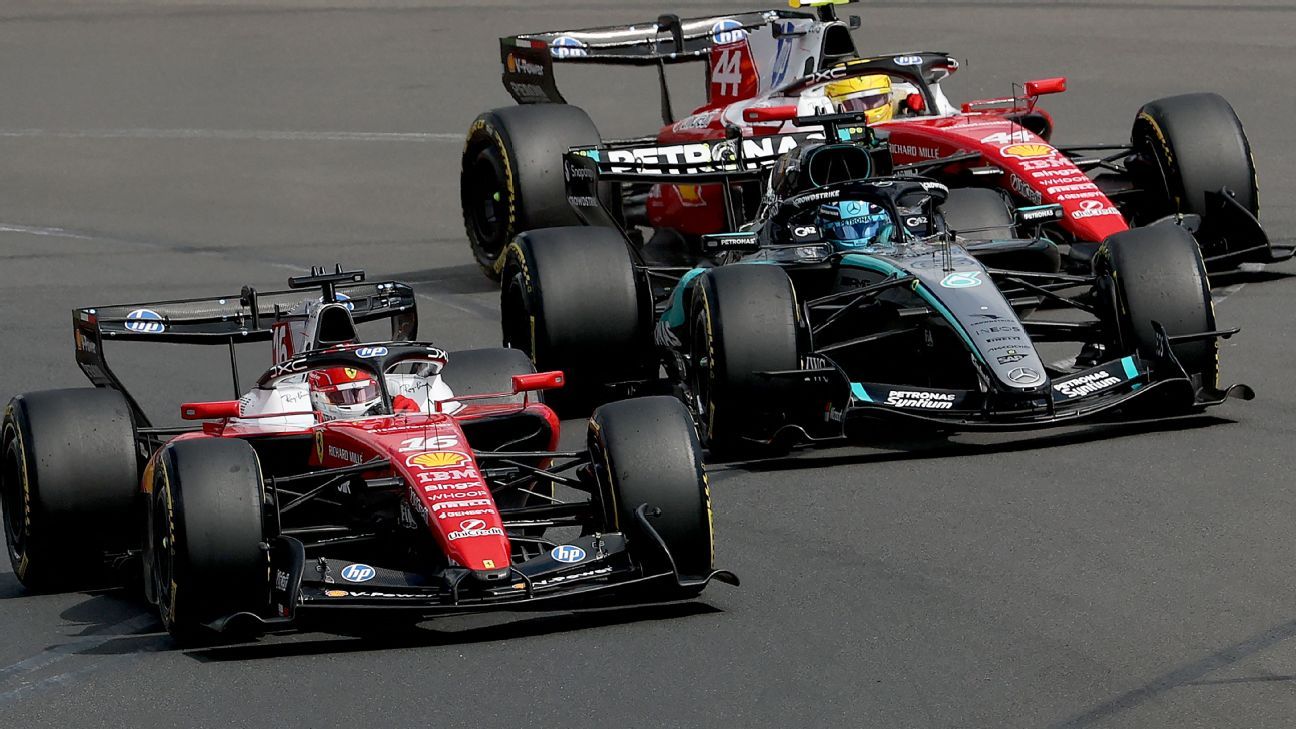
Formula 1 has long been a sport defined as much by its technical jargon as by the raw speed on the tarmac. From “dirty air” to “undercuts,” the paddock is a breeding ground for acronyms that often sound more like science fiction than motorsport engineering. As the championship prepares for one of its most significant technical overhauls in a decade, a new wave of terminology is beginning to circulate. While fans may find themselves decoding buzzwords like “ADUO” in the lead-up to major races, the true story isn’t found in the acronyms, but in the profound regulatory shifts scheduled for 2026.
The upcoming 2026 season represents a fundamental pivot in how Formula 1 cars generate and manage power. For the heavyweights of the grid—specifically Mercedes and Ferrari—these changes are not merely incremental updates; they are a complete rewriting of the technical playbook. The convergence of new power unit (PU) architectures and active aerodynamic systems means that the hierarchy established in the current turbo-hybrid era could be completely dismantled.
At the heart of this transition is a mandate to move toward greater electrical deployment and increased sustainability. The FIA (Fédération Internationale de l’Automobile) has designed these regulations to ensure the sport remains at the cutting edge of automotive technology while meeting global environmental standards. For engineers, this means balancing a massive increase in electrical energy with the need for aerodynamic stability, a task that will define the next generation of world champions.
The 2026 Power Unit Revolution: A New Balance of Power
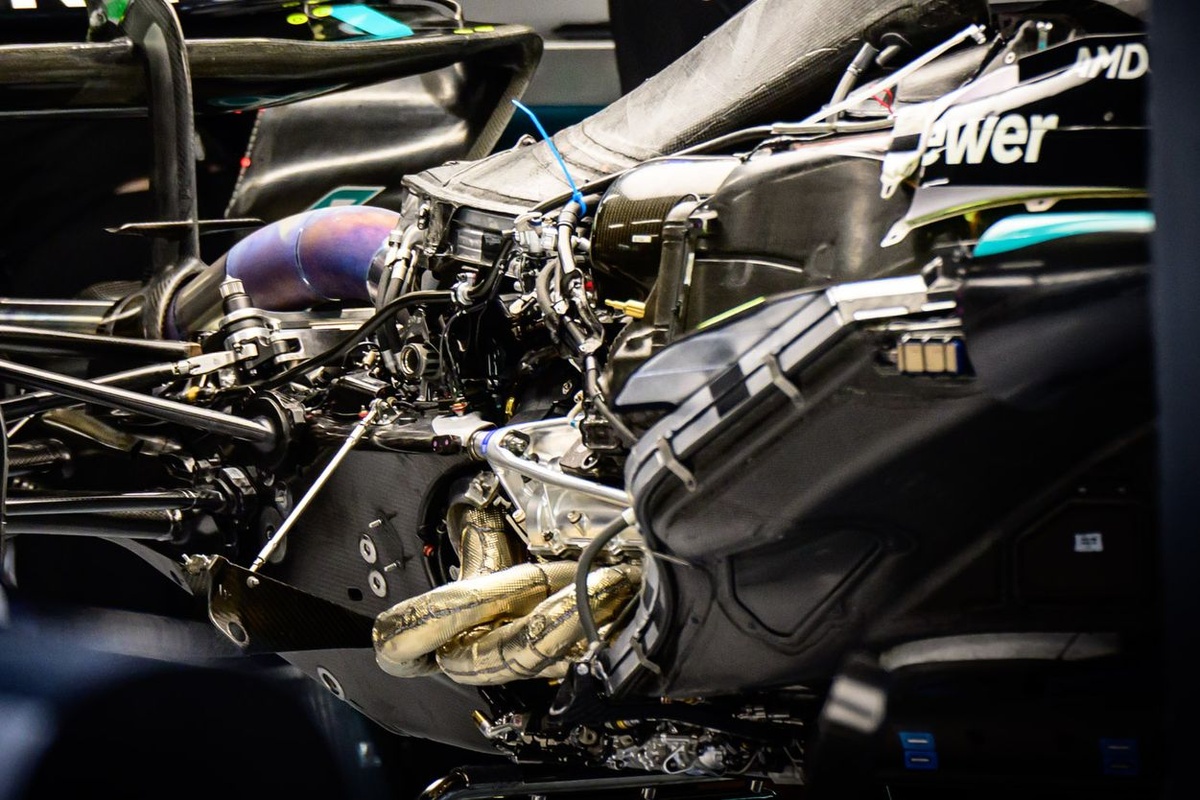
To understand why the 2026 season is being viewed as a “shake-up,” one must look at the specific changes being made to the internal combustion engine (ICE) and the energy recovery systems. The most significant departure from the current era is the removal of the MGU-H (Motor Generator Unit – Heat).
Since its introduction, the MGU-H has been one of the most complex and expensive components of a Formula 1 power unit. By harvesting energy from the exhaust gases to spin the turbocharger and recharge the battery, it has provided a massive efficiency boost. However, the FIA has determined that the complexity and cost associated with the MGU-H do not align with the goal of attracting new manufacturers. According to official FIA technical frameworks, the 2026 regulations will focus on simplifying the power unit to make it more relevant to road-car technology and more accessible to new entrants.
In place of the MGU-H, the 2026 regulations will see a massive increase in the output of the MGU-K (Motor Generator Unit – Kinetic). Currently, the MGU-K provides approximately 120kW of power. Under the new rules, this will jump to 350kW, significantly increasing the electrical contribution to the car’s total output. This shift creates a nearly 50/50 split between the power generated by the internal combustion engine and the electrical energy harvested through braking.
This redistribution of power creates a new technical challenge: energy management. Drivers will no longer have the seamless energy replenishment provided by the MGU-H. Instead, they will have to manage a much larger electrical “buffer,” deciding exactly when to deploy that 350kW of boost to maximize lap time without depleting the battery prematurely. This “energy harvesting vs. Deployment” game will likely become the decisive factor in race strategy.
Active Aerodynamics: The X-Mode and Z-Mode Era
While the engine changes are the headline, they cannot be discussed in isolation from the aerodynamic changes. The 2026 regulations introduce “active aerodynamics,” a concept designed to reduce drag on straights and increase downforce in corners. This is where much of the technical “buzz” originates, as teams attempt to optimize the interplay between the new power delivery and the car’s air management.
The new aero concept involves two primary configurations, often referred to in technical previews as “X-mode” and “Z-mode”:
- Z-Mode (High Downforce): Used during cornering, where the aerodynamic elements are positioned to maximize grip and stability, allowing for higher cornering speeds.
- X-Mode (Low Drag): Used on long straights, where the aerodynamic surfaces adjust to minimize drag, allowing the car to reach higher top speeds and compensate for the complexities of the new power delivery.
The integration of these modes is critical because the increased electrical power from the MGU-K will change how cars accelerate out of corners. If a car has high drag but high electrical boost, it may struggle to reach its top speed efficiently. Conversely, a car with low drag but poor energy management might “clip” (run out of electrical deployment) halfway down a straight, leaving it vulnerable to overtaking. The ability to synchronize the aero-switching with the electrical deployment will be the hallmark of a championship-winning design.
Mercedes vs. Ferrari: The Battle for Technical Supremacy
The 2026 regulations represent a “reset button” that could favor different players. For the last decade, Mercedes has been the gold standard for hybrid integration. Their dominance during the early turbo-hybrid era was built on an unparalleled understanding of how to marry the ICE with complex electrical recovery systems. However, the removal of the MGU-H removes a component where Mercedes held a significant advantage.
Ferrari, has traditionally relied on the sheer thermal efficiency and raw power of their combustion engines. While they have become highly competitive in the hybrid era, the 2026 shift toward a 50/50 power split plays directly into the hands of a team that can master high-output electrical systems. For Ferrari, the challenge is to ensure that their legendary engine performance is not overshadowed by the increased reliance on the MGU-K.
the entry of Audi as a full works team in 2026 adds a new dimension to this rivalry. Unlike customer teams, Audi will enter the sport with a dedicated power unit program, aiming to disrupt the established order from day one. This influx of fresh engineering perspectives means that Mercedes and Ferrari cannot afford to rely on their historical successes; they must innovate within a completely new set of constraints.
Key Technical Shifts at a Glance
| Feature | Current Regulations | 2026 Regulations |
|---|---|---|
| MGU-H | Present (High Complexity) | Removed |
| MGU-K Output | ~120kW | 350kW |
| Power Split | ICE Dominant | ~50% ICE / 50% Electrical |
| Aerodynamics | Static Aero | Active Aero (X & Z Modes) |
| Fuel Type | Standard Petrol | 100% Sustainable Fuels |
Why the “Shake-Up” is Real
In Formula 1, a “shake-up” occurs when the technical regulations change the fundamental physics of how a car competes. The 2026 rules do exactly this by altering the energy-to-weight ratio and the way downforce is generated. We are moving away from an era of “constant” aerodynamic performance toward an era of “variable” performance.
This shift will likely penalize teams that have mastered the current “ground effect” era but struggle with rapid aero-switching. It will also reward teams that can develop highly sophisticated software to manage the millisecond-level coordination between the MGU-K deployment and the active aero flaps. For fans, this means more tactical depth; for teams, it means a high-stakes engineering arms race.
The use of 100% sustainable fuels also plays a role in this shake-up. While the engines will still sound like Formula 1 cars, the combustion characteristics of these new fuels will require a complete redesign of the internal combustion process. This provides a level playing field where a team’s historical advantage in fuel chemistry could be neutralized by a newcomer’s fresh approach to synthetic fuel integration.
As the technical briefings continue and more details emerge from the FIA and the major manufacturers, the paddock will continue to buzz with new terms and theories. However, for the engineers at Mercedes, Ferrari, and the incoming Audi project, the goal remains singular: mastering the complex dance between electricity, combustion, and aerodynamics to claim the first title of the new era.
Frequently Asked Questions
What is the main difference in the 2026 F1 engines?
The primary change is the removal of the MGU-H and a massive increase in the power output of the MGU-K, shifting the power balance to a nearly 50/50 split between the combustion engine and electrical power.
Will the 2026 cars be slower?
While the ICE power may be slightly reduced, the massive increase in electrical power and the use of active aerodynamics are designed to maintain, if not improve, overall performance levels.
What are “sustainable fuels” in F1?
The 2026 regulations mandate the use of 100% sustainable fuels, which are designed to be “drop-in” fuels that can be produced from carbon-neutral sources, reducing the overall carbon footprint of the sport.
The next major milestone for the 2026 regulations will be the release of further technical clarifications from the FIA, which will provide more granular details on the permitted dimensions for the active aerodynamic components. Stay tuned as we continue to track the evolution of these rules.
What do you think about the 2026 changes? Will Mercedes maintain their dominance, or is this the moment for Ferrari and Audi to strike? Let us know your thoughts in the comments below and share this article with your fellow F1 enthusiasts.
- Mumbles Athlete Overcomes Freak Injury to Defend Title in Amsterdam
- FK Bodø Glimt Women: Dramatic Turnaround Leads to First Three Points of the Season
- Felix Gall Defends Burgos Tour Lead Ahead of Final Stage (archyworldys.com)
- Michael Johnson: Athletes Paid Following Grand Slam Track Bankruptcy (time.news)