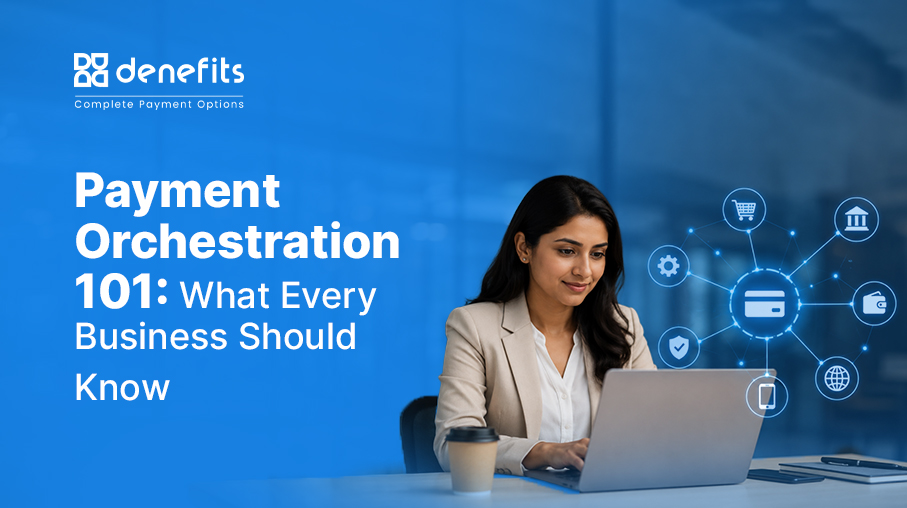
As global commerce increasingly shifts to digital channels, businesses face a more complex transactional environment defined by changing consumer expectations and rapid technological evolution. Payment orchestration has emerged as a central strategy for managing this multifaceted landscape, helping companies connect multiple payment providers, streamline transactions, and build more resilient payment infrastructures. According to current industry projections, the global payment orchestration market is expected to surpass USD 23.9 billion by 2034, expanding at a compound annual growth rate (CAGR) of 25.8%.
Operating a modern digital enterprise requires balancing transaction speed, security, and cost efficiency across multiple regions and currencies. Traditional payment setups often tie companies to single processors or require maintaining complex, individual integrations for every new gateway. By acting as a software layer between a business and its payment partners, orchestration platforms help organizations coordinate transactions from a single control center.
What Is Payment Orchestration?
Payment orchestration is the process of managing, routing, and optimizing digital transactions through a single, centralized platform. Rather than dealing with separate integrations and workflows for each provider, companies use an orchestration layer to coordinate payment activities across multiple gateways, processors, and acquirers.
When a customer initiates a transaction, the orchestration platform evaluates the payment against predefined rules based on criteria such as geographic location, preferred payment method, processor performance, and transaction costs. The system then routes the payment through the most suitable provider. If the primary processor experiences technical issues, automated failover protocols can instantly redirect the transaction to an alternative provider, helping reduce failed payments and improve authorization rates.
Core Mechanisms of Payment Orchestration
Managing digital transactions across different regions involves overcoming several operational hurdles. Payment orchestration addresses these challenges through unified integrations, smart routing, failover protection, and centralized data management.
Industry data highlights the scale of multi-provider usage, with 62% of enterprises currently utilizing multiple payment providers. Managing these relationships individually is time-consuming and difficult to maintain as business needs evolve. Payment orchestration solves this by consolidating multiple providers into a single integration, simplifying ongoing maintenance and supporting future expansion.
Smart transaction routing further optimizes this process. Because payment approval rates vary based on customer location and processor capabilities, smart routing sends each transaction through the provider most likely to succeed or offer lower processing fees. Additionally, automated failover protection helps safeguard revenue against technical outages. A recent study estimates that payment system failures put $44.4 billion in U.S. retail and hospitality sales at risk annually, with businesses reporting an average of more than five major payment outages each year. Orchestration platforms mitigate this risk by instantly shifting traffic during service interruptions.
Centralized reporting dashboards bring together transaction activity, success rates, and provider performance metrics into one interface. This makes financial reconciliation straightforward and allows finance teams to identify areas for operational improvement.
Payment Orchestration Versus Payment Infrastructure
While the terms are sometimes confused, payment orchestration and payment infrastructure serve distinct roles within the financial technology ecosystem.
- Payment Infrastructure: Represents the underlying network, technology, and services—including banking networks, payment rails, acquirers, and processors—that enable the physical processing of payments. It is essential for any business accepting digital transactions.
- Payment Orchestration: Acts as a software coordination layer built on top of that infrastructure. It focuses on routing, managing, and optimizing payment flows across multiple underlying providers, making it ideal for businesses operating across multiple markets or channels.
Key Features and Security Considerations
Modern orchestration platforms offer robust tooling designed to balance user experience, security, and compliance. Multiple gateway management allows growing businesses to add new providers or enter international markets without rebuilding their checkout architecture.
Security remains a paramount concern as digital fraud and cyber threats evolve. According to data from Vercara, 75% of U.S. consumers state they would stop buying from a brand that experienced a cyber incident, underscoring the direct link between data protection and customer trust. To counter these risks, payment orchestration tools utilize tokenization, replacing sensitive card details with unique digital tokens. Many platforms also integrate real-time fraud detection tools and built-in compliance frameworks to meet standards such as PCI DSS across multiple jurisdictions.
Businesses evaluating orchestration must also weigh potential challenges, including integration complexity, the learning curve for internal teams, and potential vendor lock-in if payment processes become heavily customized around a single third-party provider.
Frequently Asked Questions
- How does payment orchestration work? It connects different payment gateways, processors, and alternative payment methods through a centralized platform, automatically routing each transaction based on performance, cost, and availability.
- Is payment orchestration necessary for small businesses? Companies with simple payment needs and a single provider may not experience immediate benefits. The value scales as transaction volumes, international markets, and provider relationships grow more complex.
- What is a payment orchestration layer? It is the software middleware that sits between a business and its payment partners, enabling streamlined management, routing, and tracking of transactions.
As digital commerce continues to scale globally, payment orchestration provides the structural agility needed to manage complex transaction ecosystems efficiently.