
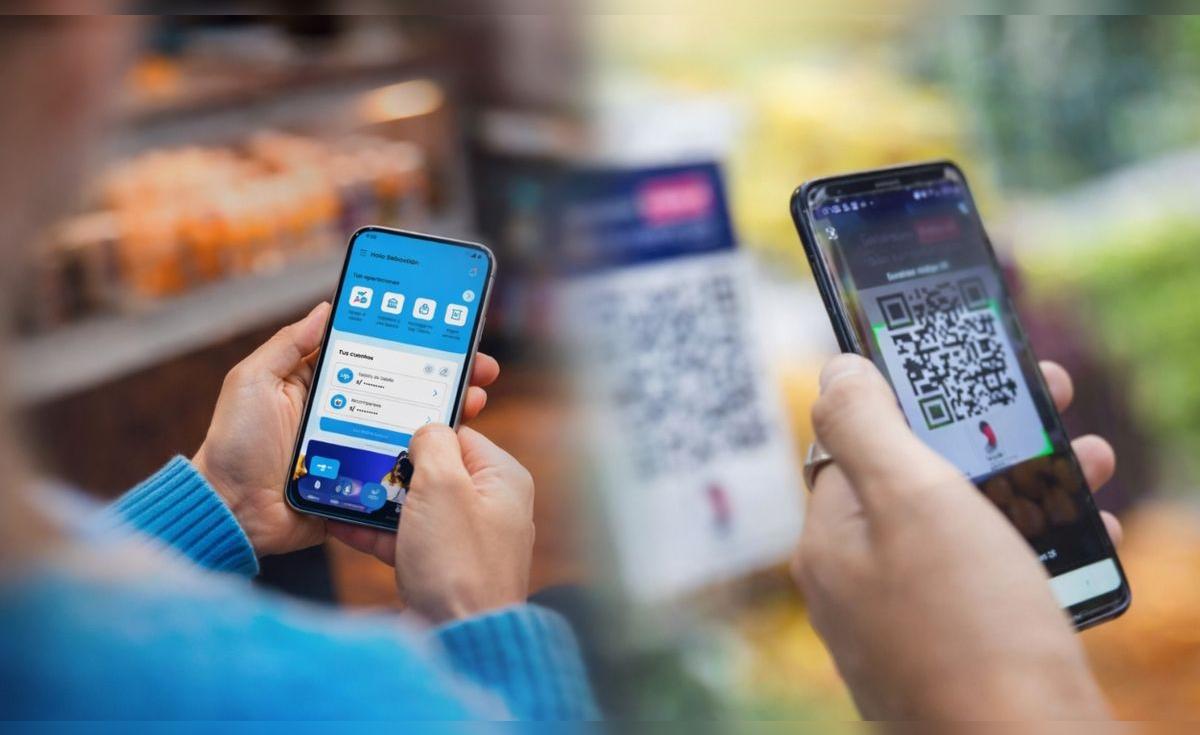
The Peruvian fintech landscape is experiencing a significant disruption with the launch of Sip, a novel digital wallet designed to challenge the existing dominance of established players. Entering a market where digital payment adoption is already widespread, Sip arrives not as a tentative startup, but as a heavily backed contender with a massive initial footprint.
Launched by Infinance XP, a company under the Intercorp group, the Sip digital wallet Peru entry is strategically positioned to capture a significant share of the electronic payment market. The application integrates a suite of financial services including payments, transfers and savings, but its primary differentiator is a reward-centric model designed to incentivize daily consumer spending according to La República.
This launch comes at a time when digital finance has become the norm for the Peruvian population. Data indicates that nine out of ten Peruvians who utilize digital financial services opt for digital wallets, highlighting a systemic shift toward electronic payments across the country as reported by La República. For Sip, the goal is to transition these users from simple payment tools to a more comprehensive financial ecosystem.
A Built-In Advantage: The 3.9 Million User Base
Unlike most new fintech entries that must acquire users from zero, Sip has launched with an immediate and substantial user base. The wallet starts with 3.9 million users, a figure achieved by integrating existing financial products from Agora and Financiera oh, both of which are part of the Intercorp group per La República.

This integration provides Sip with an instantaneous scale that typically takes years to build. By leveraging the existing customer loyalty and data from Intercorp’s other financial arms, Sip can bypass the traditional “customer acquisition” phase and move directly into the “user engagement” phase. This strategic move places immediate pressure on the current market leaders, Yape and Plin, by introducing a competitor that already possesses a critical mass of active users.
Beyond Payments: Cashback and Financial Ecosystem
Sip is positioning itself as more than just a tool for transferring money; We see framing itself as a tool for saving. The core of its value proposition is a cashback system that allows users to recover a portion of their spending. Specifically, the wallet offers cashback of up to 1% on purchases made through the platform according to La República.
To support this digital ecosystem, Sip has introduced a variety of financial products aimed at different consumer needs. According to the official Sip platform, the product lineup includes:
- Sip Debit Card: A 100% digital, rechargeable VISA card that allows users to transfer funds from Plin and Yape, offers discounts at thousands of establishments, and carries no maintenance costs via sip.pe.
- Sip Credit Cards: A range of credit options including the “Sip Plus” for high discounts, a “Sip with Guarantee” for instant digital access, and a “Cero” card which features no membership fees via sip.pe.
- Sip Basic Credit Card: A version without exclusive discounts and no membership fees via sip.pe.
The application is designed to integrate into the daily routine of the Peruvian consumer. Beyond standard retail purchases, Sip facilitates payments for essential daily expenses, including basic services such as water, school fees, and taxi fares as detailed by La República.
Challenging the Duopoly: Sip vs. Yape and Plin
For several years, the Peruvian digital wallet market has been characterized by the dominance of Yape and Plin. Sip’s entry represents a shift from a duopolistic environment to one of more aggressive competition. By offering tangible financial returns through cashback and integrating a wide array of credit and debit products, Sip is attempting to redefine the logic of daily consumption in Peru according to Mercado Negro.
The ability of Sip users to transfer funds from competing wallets like Plin and Yape into their Sip Debit accounts suggests a strategy of “interoperability-led acquisition,” where Sip acts as a secondary hub for savings and rewards while still allowing users to maintain their existing payment habits via sip.pe.
Key Takeaways of the Sip Launch
- Immediate Scale: Launched with 3.9 million users via integration with Intercorp’s Agora and Financiera oh per La República.
- Incentive Model: Offers up to 1% cashback on purchases to attract users from traditional wallets per La República.
- Product Diversification: Provides a full suite of digital VISA debit and various credit cards (Sip Plus, Cero, and Basic) via sip.pe.
- Market Integration: Targets high-frequency daily payments including water, taxis, and school fees per La República.
As Sip begins to penetrate the market, the focus will shift toward how many of its 3.9 million initial users transition into active, daily users of the wallet’s reward systems. The success of this venture will likely depend on the continued adoption of its credit products and the perceived value of its cashback offers compared to the convenience of the established incumbents.
World Today Journal will continue to monitor the adoption rates of Sip and any subsequent responses from Yape and Plin. We invite our readers to share their experiences with digital wallets in Latin America in the comments below.