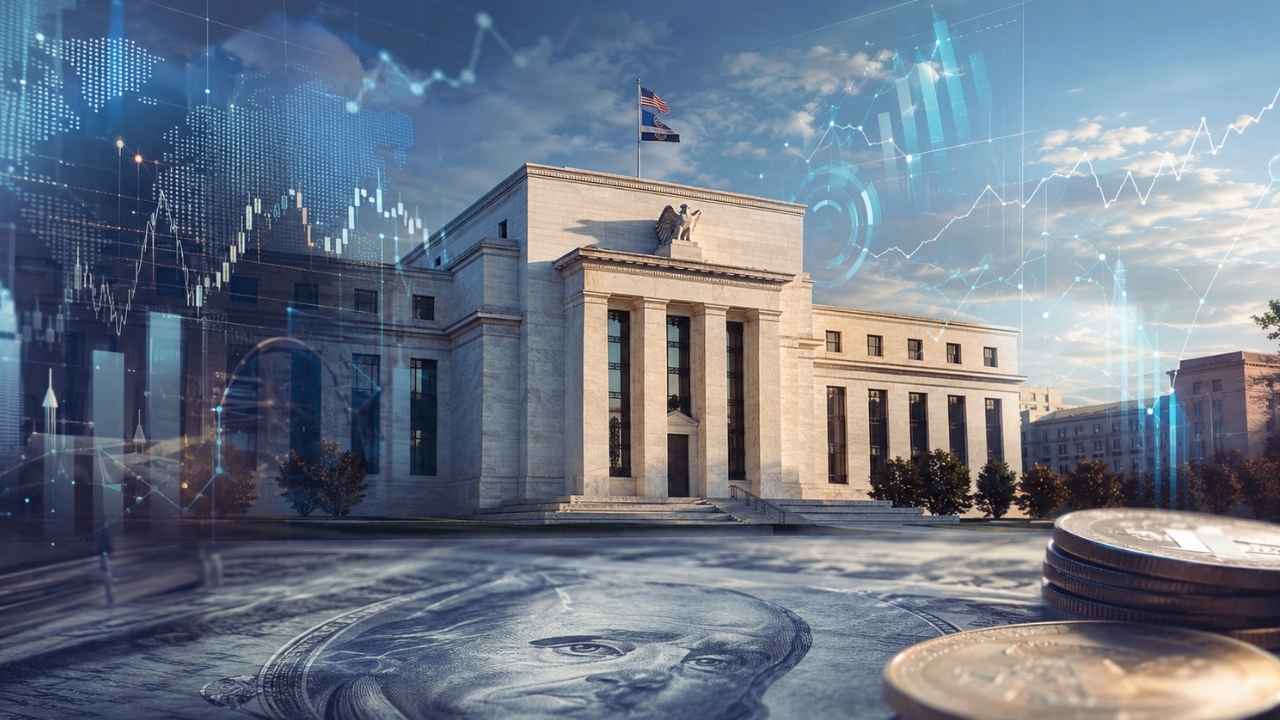
The Federal Reserve serves as the central bank of the United States, tasked by Congress with maintaining a stable financial system through the management of the nation’s monetary policy. By adjusting the federal funds rate and overseeing banking institutions, the Federal Reserve influences the cost of borrowing, consumer spending, and the overall trajectory of inflation and employment in the American economy, according to the official Federal Reserve System structure overview.
Headquartered in Washington, D.C., the Federal Reserve—often referred to simply as “the Fed”—functions as an independent government entity. While it is accountable to Congress and must operate within the objectives established by federal law, its day-to-day policy decisions do not require approval from the President or the legislative branch. This structural independence is designed to insulate monetary policy from short-term political pressures, allowing the Board of Governors to focus on long-term economic stability.
The Dual Mandate: Balancing Employment and Prices
The primary responsibilities of the Federal Reserve are defined by what economists call the “dual mandate.” Under the Federal Reserve Act, the central bank is directed to pursue two main goals: maximum employment and stable prices. These objectives are intended to promote a healthy economy, though the two goals often pull the Fed in opposite directions, requiring a delicate balancing act by the Federal Open Market Committee (FOMC), as detailed in the Fed’s official monetary policy guide.
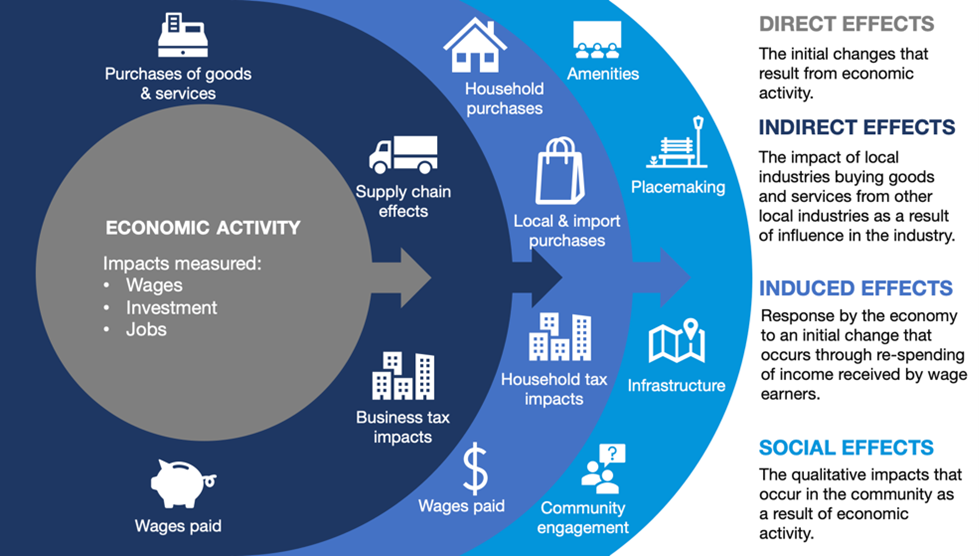
When the economy slows, the Fed typically lowers interest rates to encourage borrowing and investment, which can stimulate job growth. Conversely, when inflation rises above the central bank’s target—currently set at 2% over the longer run—the Fed may raise interest rates to cool down spending. This mechanism directly affects the interest rates consumers pay on credit cards, mortgages, and auto loans. By making money more expensive to borrow, the Fed aims to slow demand, thereby reducing upward pressure on prices.
How Monetary Policy Impacts Daily Life
The most visible tool the Fed uses to influence the economy is the federal funds rate. This is the interest rate at which commercial banks lend reserve balances to one another overnight. While the Fed does not set the interest rates for consumer loans directly, its adjustments to the federal funds rate trigger a ripple effect throughout the financial system. When the Fed increases this rate, banks typically raise the “prime rate,” which serves as a benchmark for most consumer and business loans, according to data from the Federal Reserve Bank of New York.
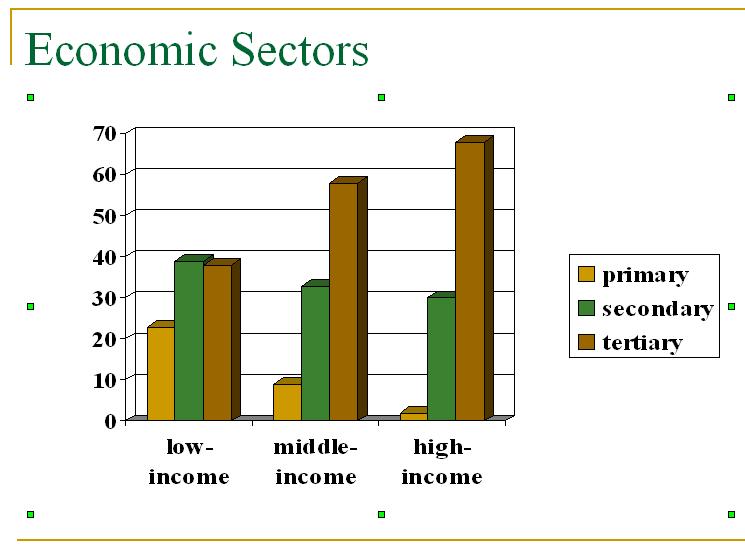
For a typical household, these shifts are felt almost immediately. A higher federal funds rate generally leads to higher yields on savings accounts but also increases the cost of carrying a balance on a credit card or financing a new home. Wall Street investors monitor Fed announcements closely, as changes in interest rates alter the cost of capital for corporations, which in turn influences stock prices and investor confidence.
Structure and Oversight of the System
The Federal Reserve System is composed of three main parts: the Board of Governors, twelve regional Federal Reserve Banks, and the Federal Open Market Committee (FOMC). The Board of Governors, located in Washington, is a federal agency that provides the system’s central oversight. The seven members of the Board are appointed by the President of the United States and confirmed by the Senate, serving staggered 14-year terms to ensure continuity and independence, as outlined in the official Board of Governors directory.
The twelve regional Federal Reserve Banks act as the operating arms of the system, serving specific geographic areas of the country. They provide financial services to commercial banks, such as processing checks and distributing currency. The FOMC, which includes the seven governors and five of the twelve regional bank presidents, is the body that actually decides the direction of monetary policy. They meet eight times per year to assess economic conditions and determine the appropriate level for interest rates.
Transparency and Public Accountability
Despite its independence, the Federal Reserve is subject to significant oversight. The Chair of the Federal Reserve is required to testify before Congress on a semi-annual basis to report on the state of the economy and the Fed’s policy actions. These hearings serve as a mechanism for public and legislative scrutiny, ensuring that the central bank remains transparent about its decision-making process. The Fed also publishes the minutes of its FOMC meetings, providing the public with insight into the deliberations that led to specific policy shifts.
The next scheduled FOMC meeting, where policymakers will evaluate economic data and determine the path for interest rates, is set for December 17-18, 2024, according to the official 2024 meeting calendar. Following these meetings, the Chair typically holds a press conference to explain the committee’s rationale to the media and the public. Readers interested in tracking these updates can monitor the official Federal Reserve website for transcripts, policy statements, and economic projections released immediately following these sessions.
Understanding the Federal Reserve is essential for navigating the broader economic environment. Whether you are managing personal debt, planning long-term investments, or simply tracking the news, the actions of the central bank remain a primary driver of financial conditions in the United States and globally. We welcome your thoughts on how Fed policy has impacted your financial planning in the comments below.