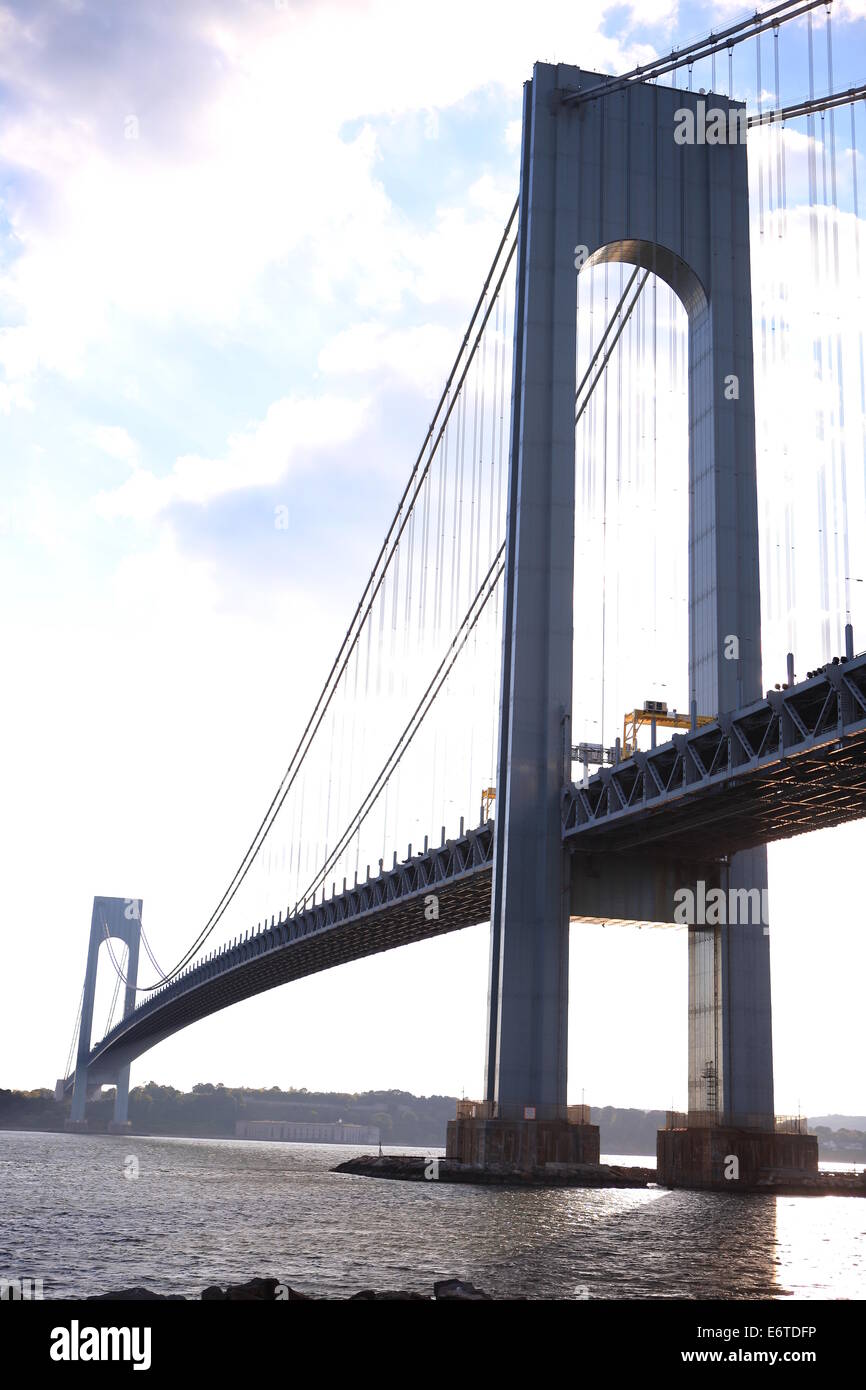
The George Washington Bridge serves as a vital artery for the New York metropolitan area, connecting Fort Lee, New Jersey, to the Washington Heights neighborhood of Manhattan. Often cited in regional discourse regarding infrastructure and transit, the bridge is frequently misidentified in casual conversation. While it remains one of the most prominent landmarks in the region, it is not the longest bridge in New York City or the state.
According to the Port Authority of New York and New Jersey, which owns and operates the facility, the George Washington Bridge has a main span of 3,500 feet. When considering the total length of suspension bridges, the Verrazzano-Narrows Bridge holds the title for the longest in New York City, boasting a main span of 4,260 feet. Understanding these distinctions is essential for commuters and residents navigating the complex transit landscape of the five boroughs and beyond.
Infrastructure and Transit Realities in New York
For those questioning the state of traffic in New York, the George Washington Bridge is a primary indicator of regional congestion. As the world’s busiest motor vehicle bridge, it handles tens of millions of vehicles annually. The Port Authority reports that in 2023, the bridge facilitated the movement of over 100 million vehicles, underscoring its role as a critical link in the interstate highway system. This volume of traffic frequently results in significant delays, particularly during morning and evening rush hours, affecting both local commuters and cross-country freight.

Traffic management remains a persistent challenge for city planners. The New York City Department of Transportation (NYCDOT) maintains real-time data portals to assist drivers in monitoring delays across the city’s various bridges and tunnels. For the most accurate updates on bridge conditions, travelers are encouraged to consult the official Port Authority of New York and New Jersey traffic advisories or the New York City 511 system, which provides comprehensive, verified updates on road closures and construction projects.
Comparing Major New York Spans
Public perception often conflates the historical significance of the George Washington Bridge—opened in 1931—with the physical dimensions of newer engineering projects. When comparing the scale of major crossings, the Verrazzano-Narrows Bridge, which opened in 1964, remains the record holder for the longest suspension span in the city. The following breakdown highlights the differences in verified span lengths:

- Verrazzano-Narrows Bridge: 4,260 feet (main span)
- George Washington Bridge: 3,500 feet (main span)
- Bronx-Whitestone Bridge: 2,300 feet (main span)
These figures, verified by the Metropolitan Transportation Authority (MTA) and the Port Authority, clarify the hierarchy of New York’s iconic infrastructure. The George Washington Bridge is notable not for its length, but for its two-level design and its status as a gateway for travelers entering Manhattan from the west.
Managing Daily Commutes
The impact of traffic on the daily life of New Yorkers is a frequent subject of social media discussion, reflecting a shared experience of urban density. Whether navigating the congestion of Brooklyn or the bottlenecks near the George Washington Bridge, residents rely on a mix of public transit and private vehicle use. The MTA continues to emphasize the role of public transportation in mitigating road traffic, with ongoing projects aimed at improving subway and bus reliability throughout the city.

For those seeking to mitigate the effects of traffic, the city provides various resources for trip planning. The New York City Department of Transportation offers a map of current road work and major events that may impact travel times. By utilizing these verified tools, commuters can better anticipate delays and adjust their travel plans accordingly. As the city continues to update its infrastructure, official announcements regarding potential lane closures or maintenance schedules are posted regularly on the Port Authority website.
Official updates regarding bridge maintenance or traffic patterns are issued periodically by the Port Authority of New York and New Jersey. Residents and commuters are encouraged to monitor these official channels for the most reliable information. If you have experienced specific transit issues or have thoughts on the current state of infrastructure in the region, feel free to share your perspective in the comments section below.
Worth a look