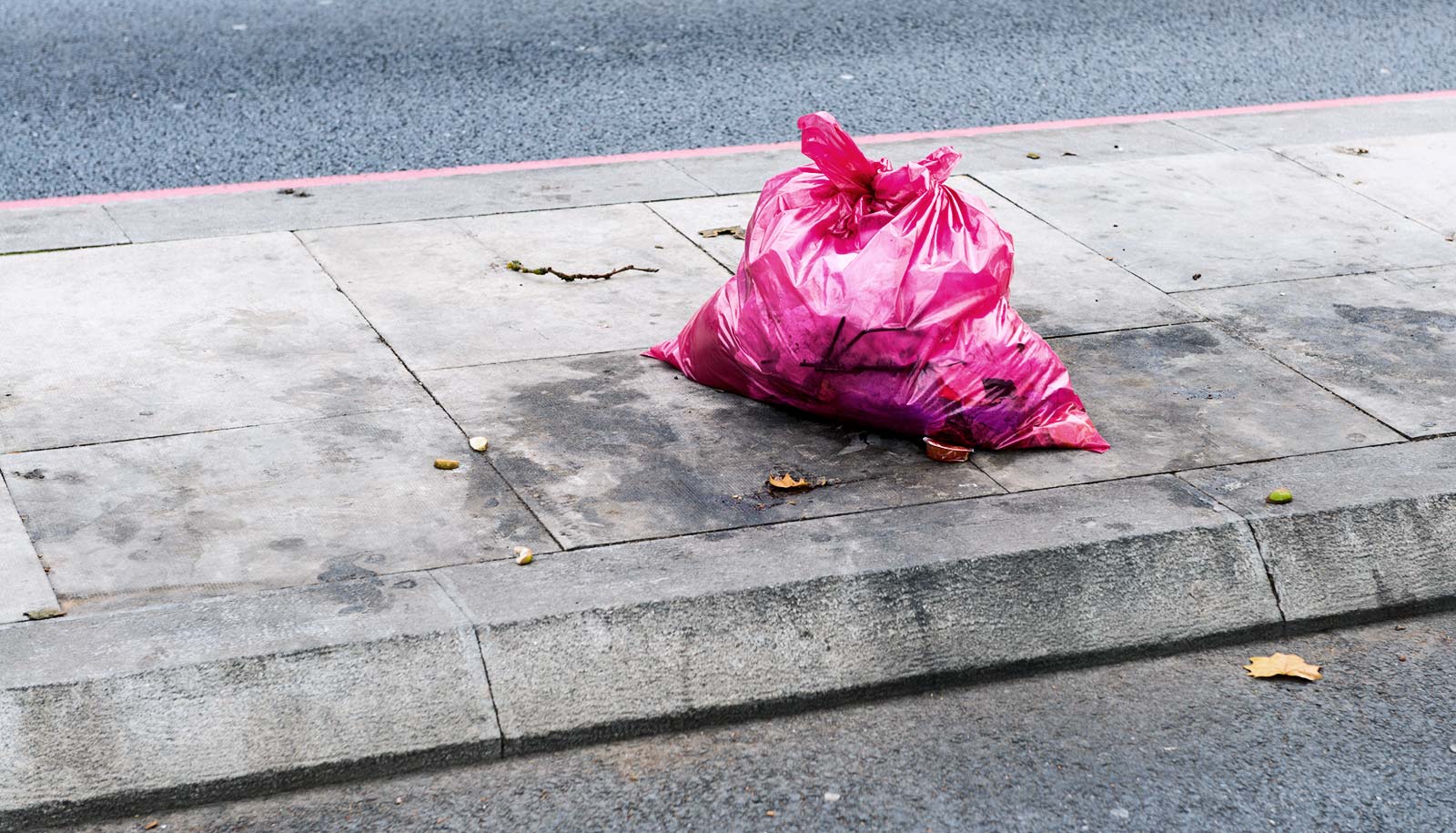
In a recent appearance on the Big Brains podcast, the University of Chicago scholar argued that true sustainability requires a radical overhaul of how society designs, values, and dismantles products to move beyond simple waste management toward a process of "unmaking" waste.
Newman, an archaeologist by training, examines the history of trash in her book, “Unmaking Waste: New Histories of Old Things” (University of Chicago Press, 2026). She suggests that the current habit of discarding items to be forgotten forever is a change from how society once worked.
By analyzing waste patterns from the ancient Mayan civilization to the present, Newman identifies a shift from societies that deeply valued objects—reusing and recycling them through innovative means—to a contemporary culture defined by disposability. She poses the question of whether we will return to a zero-waste mentality.
How did ancient civilizations handle waste differently?
According to Newman, the ancient Mayans and other historical cultures practiced a more integrated approach to material life, where objects were frequently repurposed or recycled in innovative ways.

This contrast highlights a shift in the perceived value of objects. Today’s disposable culture, by contrast, lowers the perceived value of an object and encourages immediate disposal.
Why is recycling insufficient for sustainability?
Newman argues that the recycling bin is not a complete solution. While recycling manages waste after it has been created, it does not address the systemic issues of how products are manufactured. She suggests that the goal should be the “unmaking” of waste.
This concept of “unmaking” involves a systemic overhaul of the product lifecycle. According to the University of Chicago scholar, this requires designers to imagine a world where waste isn’t just managed, but systematically unmade if we are to genuinely rethink our relationship with garbage and reshape our future.
What is required for a systemic overhaul of waste?
To achieve genuine sustainability, Newman asserts that society must rethink the design and valuation of goods. This shift involves moving away from current habits toward a system where waste is systematically unmade.
Further updates on the publication of “Unmaking Waste: New Histories of Old Things” are expected through the University of Chicago Press in 2026.