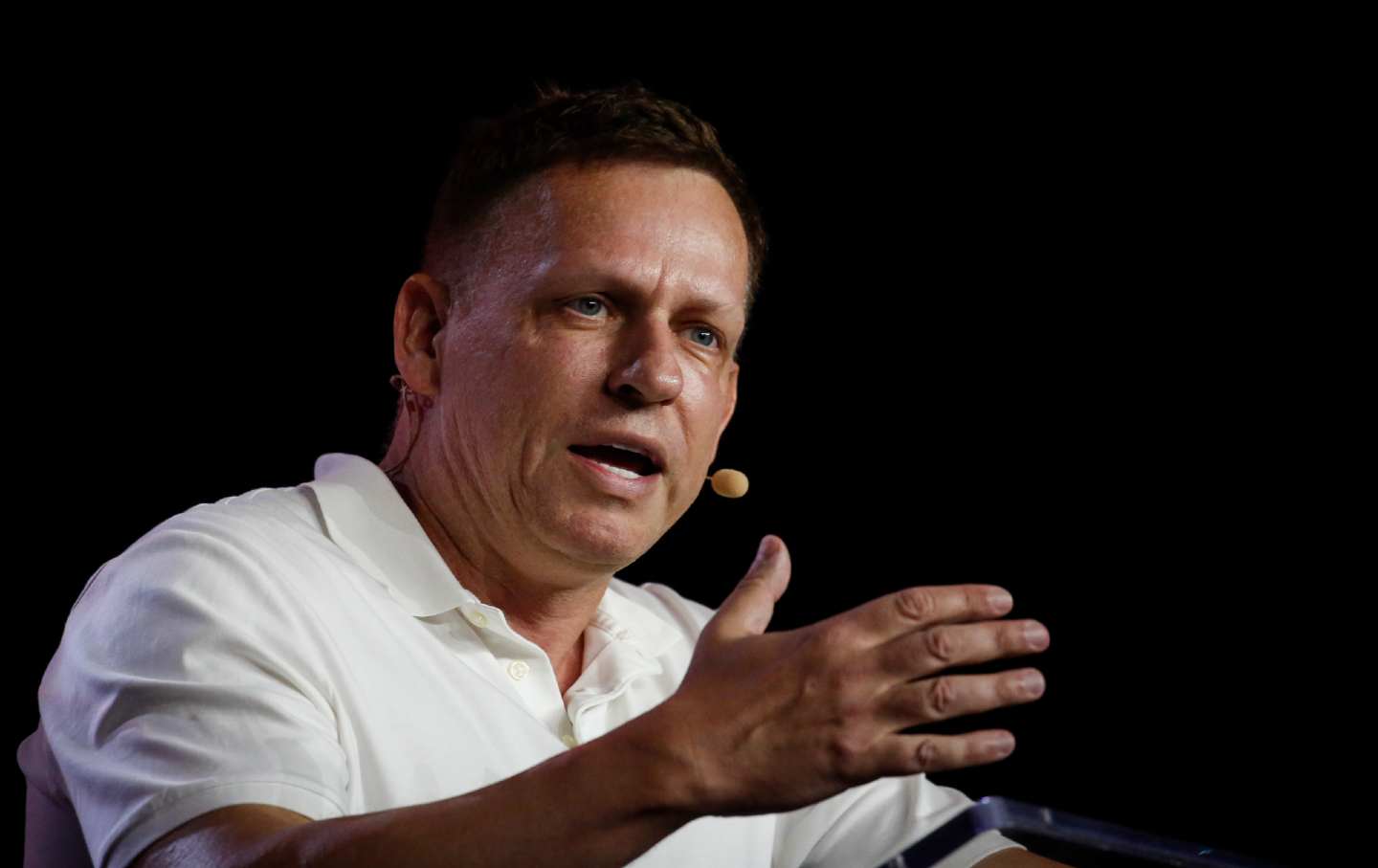
In the shifting landscape of global technology and political migration, few figures command as much scrutiny as Peter Thiel. The co-founder of PayPal and Palantir Technologies has long been a fixture in Silicon Valley’s intellectual and financial circles. Recently, however, reports regarding the billionaire’s increased interest in Argentina have sparked a flurry of speculation among tech observers and political analysts alike. While some have framed this pivot as a reaction to perceived existential threats or global instability, a closer examination of the facts suggests a more pragmatic, strategy-driven approach to global asset management and geopolitical positioning.
As an observer of international affairs for over 16 years, I have learned that when high-net-worth individuals make significant geographic shifts, the narrative of “panic” often obscures the underlying economic reality. For Thiel, whose career has been defined by contrarian investments and an early-mover advantage in disruptive sectors, the move toward South America appears less like a flight from an impending “end time” and more like an alignment with the evolving economic policies of the Milei administration. Understanding what is really behind Peter Thiel’s move to Argentina requires us to look past the sensationalism and examine the intersection of venture capital, sovereign economic policy, and the global search for emerging market opportunities.
The Economic Landscape and Regulatory Shifts
To understand the interest in Argentina, one must first look at the current administration’s radical departure from previous fiscal policies. Since taking office in December 2023, President Javier Milei has pursued an aggressive agenda of deregulation and fiscal austerity, aimed at curbing hyperinflation and attracting foreign direct investment. According to data from the International Monetary Fund, the Argentine government has made significant strides in achieving a primary budget surplus, a development that has captured the attention of international investors who previously viewed the country as a high-risk environment.
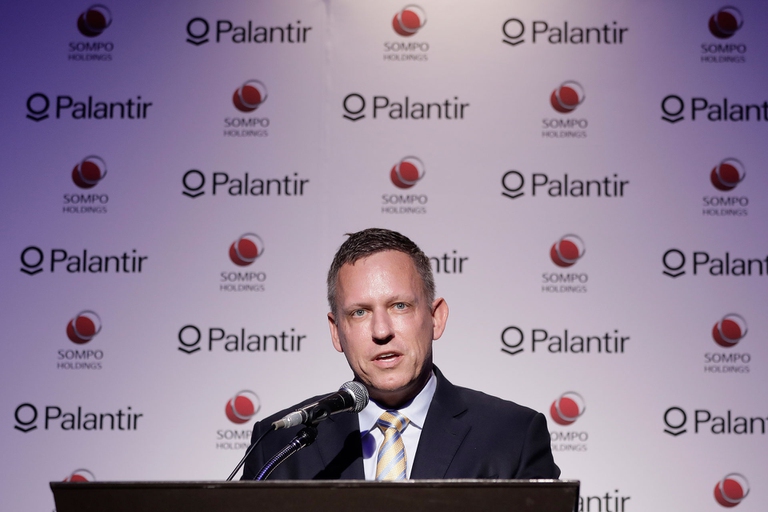
For investors like Thiel, who have consistently advocated for reduced state intervention in free markets, the Argentine experiment offers a unique, real-world testing ground. The country’s efforts to stabilize its currency and open its technology sector to foreign competition are not merely local policy shifts; they are signals to global capital. While some commentators have suggested that Thiel’s interest is driven by a desire to “escape” the United States, there is no verified evidence to support the claim that he is abandoning his American citizenship or liquidating his primary domestic holdings. Instead, the move reflects a diversification strategy—one that seeks to capitalize on a nation in the midst of a potentially historic economic turnaround.
Tech Infrastructure and Regional Expansion
Palantir Technologies, the data analytics firm co-founded by Thiel, has spent years positioning itself as a provider of critical infrastructure for both defense and private enterprise. As governments across the globe look to modernize their data capabilities, the Latin American market—and Argentina in particular—presents a significant growth opportunity. By establishing a presence in a country that is actively courting tech-forward enterprises, Thiel is effectively positioning his interests at the forefront of the region’s digital transformation.
The latest financial disclosures from Palantir highlight a company that is aggressively expanding its footprint. The firm’s focus on Artificial Intelligence and large-scale data integration aligns with the needs of emerging markets looking to improve governmental efficiency. If the Argentine government continues its trajectory of digitizing public services, the potential for private-sector partnerships is substantial. This is the “mundane” reality of business: identifying regions where regulatory friction is being reduced and where the demand for high-end technology services is set to grow.
Separating Myth from Motivation
The narrative that Peter Thiel is “panicking” or preparing for a societal collapse in the West is a common trope in tech-focused media, often conflating his personal philosophy with his investment behavior. While Thiel has, in the past, spoken candidly about his concerns regarding the stagnation of technological progress and political polarization, his professional record is one of calculated, long-term betting. His investments are rarely reactionary; they are almost always structural.

In Argentina, the primary draw is likely a combination of undervalued assets and a political climate that is, for the first time in decades, actively seeking to align with the principles of the Silicon Valley establishment. When an investor of Thiel’s stature moves into a market, We see rarely a sign of fear. Rather, it is a sign of opportunity. The “end times” narrative serves as a convenient hook for headlines, but it fails to account for the rigorous due diligence that firms like Founders Fund—which Thiel co-founded—perform before committing capital to a new region.
What Happens Next
As we monitor the situation, the next key indicator will be the specific nature of any direct foreign investment or infrastructure projects announced by entities associated with Thiel in the region. Observers should look toward the Argentine Ministry of Economy’s future press releases regarding foreign investment incentives and technology partnerships. These official filings will provide a clearer picture than the current wave of speculative commentary.
The transition of Argentina’s economy remains in a fragile state, with ongoing discussions regarding the country’s debt obligations and the success of the administration’s “shock therapy” economic reforms. Whether this move pays dividends for Thiel remains to be seen, but his interest is firmly rooted in the potential for market growth and policy alignment. For those following this story, the best course of action is to track the official regulatory changes in Buenos Aires rather than the rumors circulating in the tech blogosphere.
What are your thoughts on the shifting investment focus toward emerging markets like Argentina? Join the conversation below and share your perspective on how global capital is reshaping South American economies.
Worth a look