WhatsApp is currently refining its interface for mobile devices, with recent beta updates introducing a streamlined, modular approach to how users interact with the application. These changes, centered on the integration of more responsive widgets and a cleaner layout, reflect a broader industry trend toward minimizing clutter in communication platforms while increasing the density of actionable data available on home screens.
As Meta continues to iterate on its flagship messaging service, the focus has shifted toward enhancing user efficiency. According to WABetaInfo, an independent outlet that tracks technical changes in WhatsApp beta builds, the latest adjustments are designed to improve the aesthetic and functional utility of the platform’s widget ecosystem. These modifications are currently being tested in specific beta versions and are not yet available to the general public in a stable release.
Understanding the Shift in Interface Design
The core objective behind these recent interface adjustments is to optimize space usage on mobile operating systems. By cleaning up the visual elements within the application and its associated widgets, developers aim to provide a more intuitive experience. This design philosophy aligns with the broader goals of Meta to unify the look and feel of its family of apps, including Instagram and Messenger, while maintaining the distinct utility of each service.
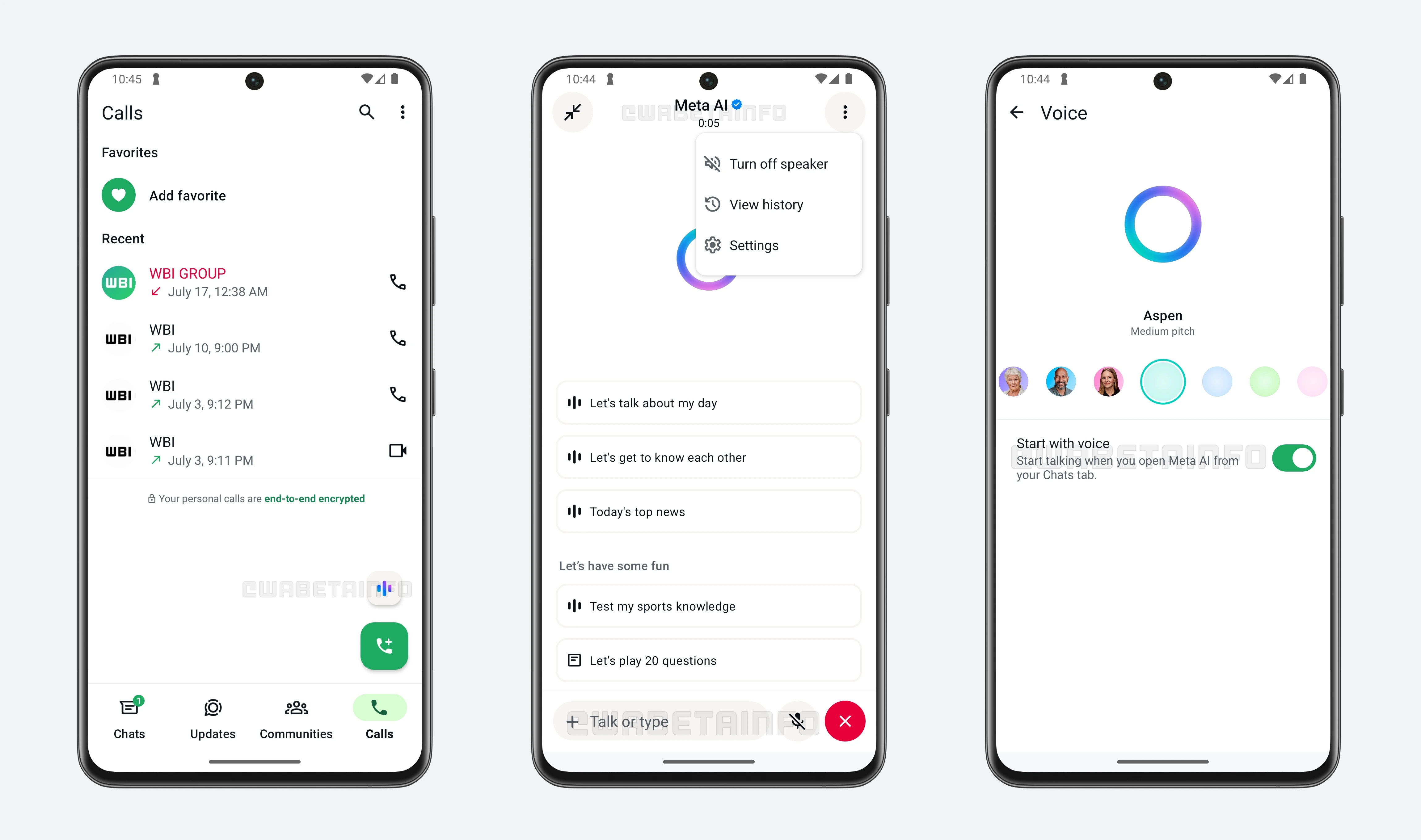
The transition toward more compact and informative widgets allows users to glance at their most important conversations, missed calls, and status updates without having to manually open the application. This is a significant departure from earlier, more static versions of the interface, which often required multiple taps to access core information. For users who rely on WhatsApp for both professional and personal communication, these efficiency gains represent a meaningful improvement in workflow management.
Technical Implementation and Beta Testing
WhatsApp manages its development cycle through a rigorous beta program, often utilizing the Google Play Beta Program to distribute experimental features to a select group of testers. These users provide the telemetry and feedback necessary for the engineering team to identify bugs and usability hurdles before a feature reaches the billions of users on the stable channel.

The current refinement process involves stripping away redundant UI elements that contribute to “visual noise.” By simplifying the underlying code structure of these widgets, developers are also looking to improve battery efficiency and performance on lower-end devices. While the visual changes are the most apparent, the performance optimizations occurring under the hood are equally critical for the platform’s long-term sustainability in emerging markets where hardware constraints remain a factor.
Why Modular Design Matters for Global Users
The shift toward modularity in mobile apps is a response to the increasing complexity of digital communication. As users manage more threads, groups, and media-heavy chats, the ability to prioritize information at a glance becomes a necessity rather than a luxury. This approach is not unique to WhatsApp; it is a standard evolution for any application reaching a global scale where user habits are deeply varied.
According to data from Business of Apps, WhatsApp maintains a massive user base that spans virtually every demographic and technical environment. Consequently, interface updates must be accessible to both power users who rely on advanced features and those who prioritize simplicity. The current cleanup efforts are intended to balance these needs, ensuring that the interface remains clean enough for casual users while providing enough depth for those who require rapid access to their chat history.
Future Updates and User Expectations
While the current beta builds provide a window into the future of WhatsApp, there is no official timeline for when these design changes will reach the stable version of the app. Meta typically follows a phased rollout strategy, which allows them to monitor server-side impact and user sentiment in real-time. Users should keep their applications updated through the Apple App Store or Google Play Store to ensure they receive these performance and design improvements as soon as they are finalized.
The next major milestone for the platform will be the official announcement of these features in a changelog, which generally follows a successful testing period. As the development team continues to refine these modules, the focus will likely remain on stability and cross-platform consistency. Readers are encouraged to check the official WhatsApp blog for verified release notes as they become available. We invite you to share your thoughts on these UI changes in the comments section below.